In the realm of electronics, the Copper PCB Board plays a pivotal role in circuit design and functionality. As technology advances, the demand for high-performance boards increases. Dr. Emily Tran, a leading expert in printed circuit boards, emphasizes the importance of materials, stating, “The choice of PCB materials can significantly impact efficiency and durability.”
Copper PCB Boards are vital due to their excellent electrical conductivity. They ensure that signals travel quickly and efficiently, minimizing energy loss. This characteristic makes them indispensable in high-frequency applications like mobile phones and computers. Furthermore, the thermal management capabilities of copper help in dissipating heat, thus prolonging the life of electronic devices.
However, the manufacturing process can sometimes present challenges. Sourcing high-quality copper and ensuring precision during production are essential yet often overlooked aspects. Industries must recognize that while technology evolves, the fundamental importance of a quality Copper PCB Board remains unchanged. Balancing cost, quality, and production efficiency is crucial for success in this competitive field.
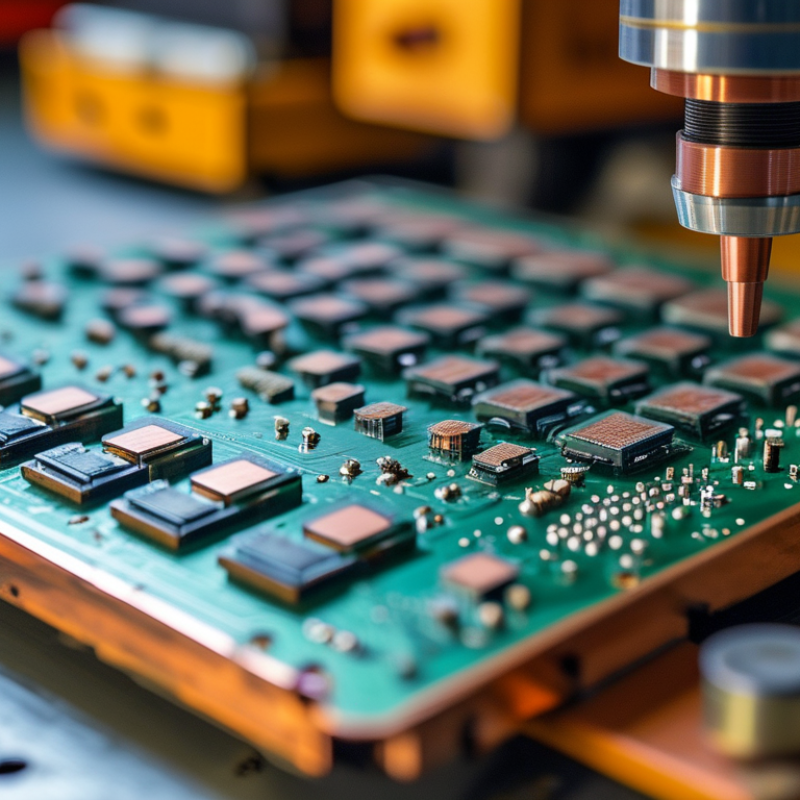
Copper PCB boards are essential components in many electronic devices. These boards consist primarily of a substrate, which is typically made of fiberglass, combined with a layer of copper. The copper layer is crucial as it conducts electricity, allowing signals to travel effectively between various components.
The composition of copper PCBs can vary. In most cases, a thin layer of copper, often ranging from 1 to 10 ounces, is bonded to the surface of the substrate. This copper layer can be etched to create intricate patterns, enabling complex circuit designs. The choice of copper thickness impacts the board's performance, with thicker layers supporting higher power applications. However, achieving the right balance is challenging.
Another factor to consider is thermal management. Copper PCBs excel at dissipating heat, which minimizes the risk of component failure. Yet, if not designed correctly, they can lead to thermal issues. Engineers often grapple with these challenges, ensuring their designs maintain reliability. Overall, understanding the definition and composition of copper PCBs highlights their importance in the electronics industry.
Copper PCB boards are critical in the electronics industry due to their unique properties. They conduct electricity efficiently, allowing for better performance and reliability. This results in lower energy loss, which is particularly important in high-frequency applications. The exceptional thermal conductivity of copper also helps dissipate heat effectively, preventing overheating in sensitive components.
One key characteristic of copper PCB boards is their durability. Unlike standard boards, they can withstand more mechanical stress. This durability makes them suitable for demanding environments. Additionally, copper boards exhibit excellent flexibility, allowing for more versatile designs. Engineers appreciate how these boards can support complex circuit layouts while maintaining performance standards.
However, not all copper PCBs are the same. Variability in manufacturing processes can lead to inconsistencies in quality. This is where expertise in materials and design becomes essential. Overlooking these aspects can result in compromised functionality. Therefore, careful consideration of suppliers and manufacturing processes is crucial to ensure reliability.
Copper PCB boards play a critical role in modern electronics. They are used in various applications due to their excellent electrical conductivity, durability, and thermal performance. For instance, consumer electronics often rely on these boards to improve battery life and device efficiency.
In automotive systems, copper PCBs ensure reliable performance under demanding conditions. They help in managing heat generated by powerful electronic components. Medical devices, which require precision, also benefit from the reliability of copper PCBs. They support the compact designs necessary for handheld technology and ensure quick signal transmission.
However, designing with copper PCBs comes with challenges. The cost can be higher than other materials, which may limit some applications. Additionally, the fabrication process requires expertise and precision. Even minor errors can lead to significant issues in performance. These factors demand careful consideration of the overall design and budget.
Copper PCB boards are gaining traction in the electronics industry. They offer significant benefits over traditional materials. With excellent thermal conductivity, copper helps dissipate heat efficiently. This is crucial for high-performance devices that generate considerable heat. According to a recent report, up to 80% of electronic failures result from thermal stress. Therefore, using copper can enhance durability.
The electrical conductivity of copper is also noteworthy. This metal exhibits low resistance, allowing for faster signal transmission. A study found that copper circuits can achieve a 20% improvement in signal speed. This aspect is vital for applications requiring rapid data processing, such as telecommunications and computing. However, not every application requires copper. For low-cost or low-frequency products, alternatives may suffice.
Manufacturers face challenges with copper PCBs. They can be more expensive to produce than standard materials. Additionally, designing for copper requires specialized knowledge. Engineers must understand its properties to optimize performance. This complexity might discourage some companies from making the switch. Choosing materials is not just about cost. It's about long-term performance and reliability.
Manufacturing copper PCBs presents distinct challenges that require careful consideration. The first challenge lies in the etching process. This process must be precise to avoid damaging the copper layer. Inadequate etching can lead to short circuits. Techniques like laser etching or chemical etching each have their own limitations. The learning curve can be steep for professionals less experienced in these methods.
Another significant factor is the thermal management of the PCB. Copper has excellent thermal conductivity, but this can also lead to overheating issues. Designers must ensure components are placed effectively. Proper spacing and heat sinks can mitigate these concerns. However, achieving the right balance is often complex and requires extensive testing.
Lastly, the surface finish applied to copper PCBs is crucial. It affects solderability and mechanical performance. Options like HASL, OSP, and ENIG each present unique advantages and drawbacks. Understanding these finishes is vital for achieving the desired performance. Many manufacturers struggle with selecting the optimal finish, which can lead to reliability concerns.
| Dimension | Details |
|---|---|
| Material | Copper is a highly conductive metal used in PCBs for electrical circuitry. |
| Thermal Conductivity | Copper PCBs have excellent thermal management properties. |
| Cost | Higher manufacturing cost compared to traditional FR-4 boards. |
| Applications | Used in high-frequency and high-power applications. |
| Manufacturing Challenges | Requires precise etching and plating processes. |
| Environmental Considerations | Concerns regarding the recycling and disposal of copper. |
| Design Considerations | PCB design software must account for copper's thermal expansion. |
: Copper PCBs offer excellent thermal and electrical conductivity, enhancing device durability and signal transmission speed.
Efficient heat dissipation is crucial for high-performance devices, as many electronic failures stem from thermal stress.
Manufacturing costs are higher. Additionally, design complexity may discourage use due to the need for specialized knowledge.
Not always. For low-cost or low-frequency products, alternative materials may be more appropriate than copper.
Precise etching is essential. Inadequate techniques can cause short circuits and damage to the copper layer.
Effective component placement and proper spacing, including the use of heat sinks, are vital to prevent overheating.
The finish affects solderability and overall mechanical performance. Choosing the right option is critical for reliability.
Many struggle to select the optimal finish due to the unique advantages and drawbacks of each type.
Complexity in design and higher production costs may deter some companies from switching to copper materials.
Designers often overlook the need for extensive testing to find the right balance between component placement and heat dissipation.
Copper PCB Boards, or copper printed circuit boards, are integral components in modern electronics, defined by their copper composition that allows for effective electrical conductivity. These boards are characterized by their high thermal and electrical conductivity, robustness, and durability, making them essential for various applications, from consumer electronics to advanced aerospace systems.
The advantages of using Copper PCB Boards include improved performance and efficiency due to their ability to handle higher currents and dissipate heat more effectively compared to traditional materials. However, the manufacturing of these boards poses certain challenges, such as the need for precise fabrication techniques and cost considerations. Overall, the significance of Copper PCB Boards lies in their ability to enhance the functionality and reliability of electronic devices, making them a vital aspect of contemporary technology.

STHL PCBA