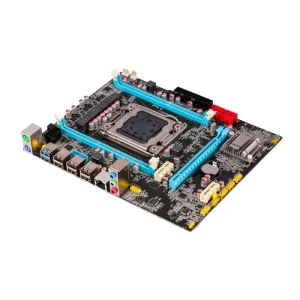
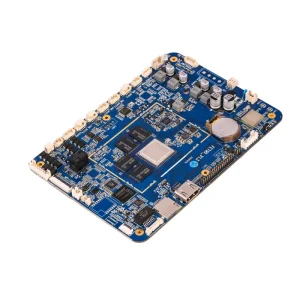
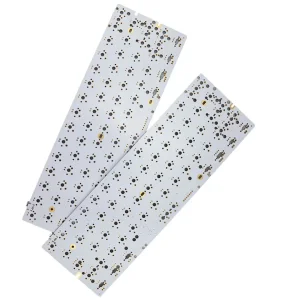
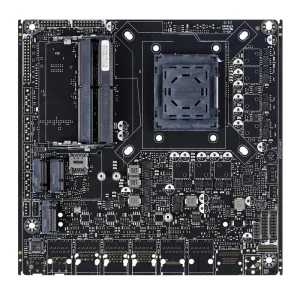
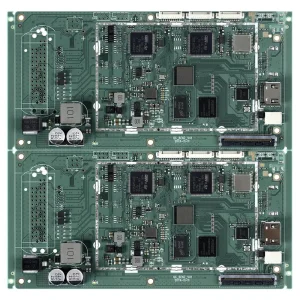
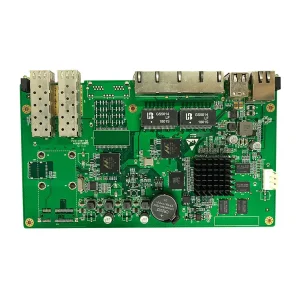
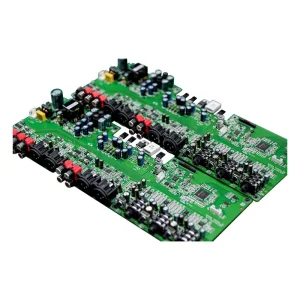
Explore our certified printed circuit board assembly solutions designed for precision automation, network connectivity, and extreme industrial environments.
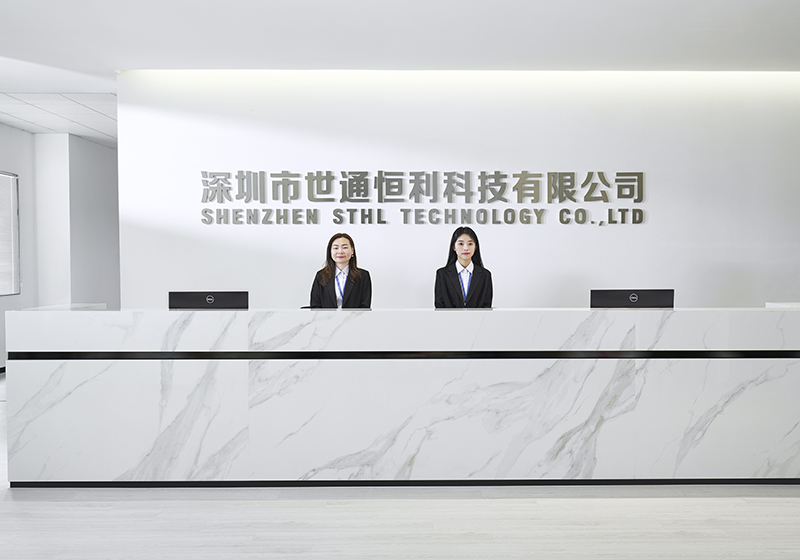
Shenzhen STHL stands as a highly authoritative, tier-1 provider of electronics manufacturing services (EMS) based in Shenzhen, China. Operating at the core of the global electronic engineering supply chain, we serve customers worldwide along the whole industry chain, including PCB layout, components sourcing, PCB fabrication, PCBA assembly, cable assembly, box build assembly, and comprehensive testing services.
Established in 2006, our organization has earned over 20 years of experience in electronics contract assembly manufacturing. Today, STHL houses a high-efficiency team of over 220+ staff members. Our specialized 10,000 square meter facility includes 7 SMT assembly lines, 2 DIP/THT lines, 2 function testing lines, and 2 finished device assembly lines. We provide high-quality electronic contract manufacturing for energy power, communications, automotive, medical, consumer electronics, computers & storage, safety & security, commercial, and industrial products.
STHL's target clientele spans across the globe, with premium customers primarily located in the USA, Germany, Italy, UK, Poland, New Zealand, Argentina, Brazil, Turkey, Korea, Thailand, and over 90 regions globally. As an IATF16949, ISO9001, ISO14001, and ISO13485 certified manufacturer, we adhere strictly to the highest international quality assurance protocols and guarantee environmental conformance with EU RoHS standards.
Combining high-speed micro-placement surface-mount technologies with rugged through-hole techniques to manufacture multi-layered, robust electronic assemblies.
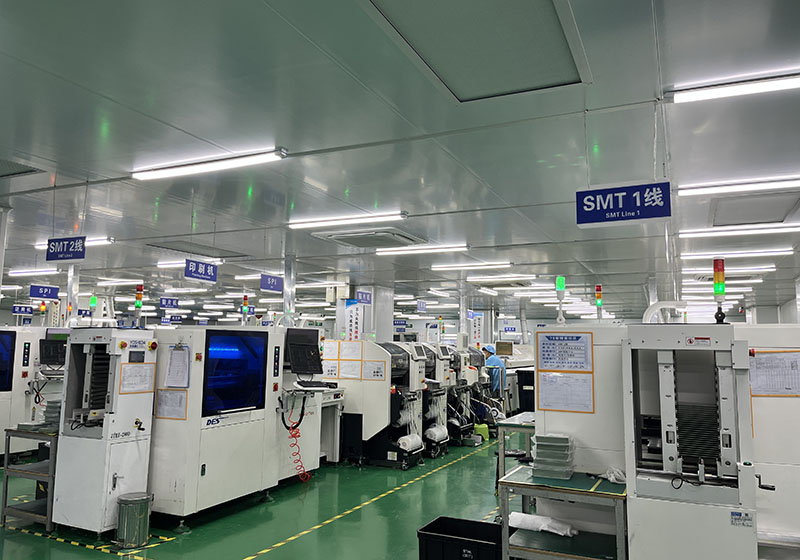
Surface Mount Technology (SMT) is the backbone of high-density modern electronics. At STHL, our engineering team manages complex multi-layered boards using high-speed automated placement machinery. We handle a vast range of advanced electronic components with extreme precision, ensuring reliable micro-connections:
For applications subjected to high structural stress, heavy thermal cycling, or high electrical currents, Through-Hole Technology (THT) remains indispensable. STHL excels in combining high-throughput THT methods with precision quality controls:
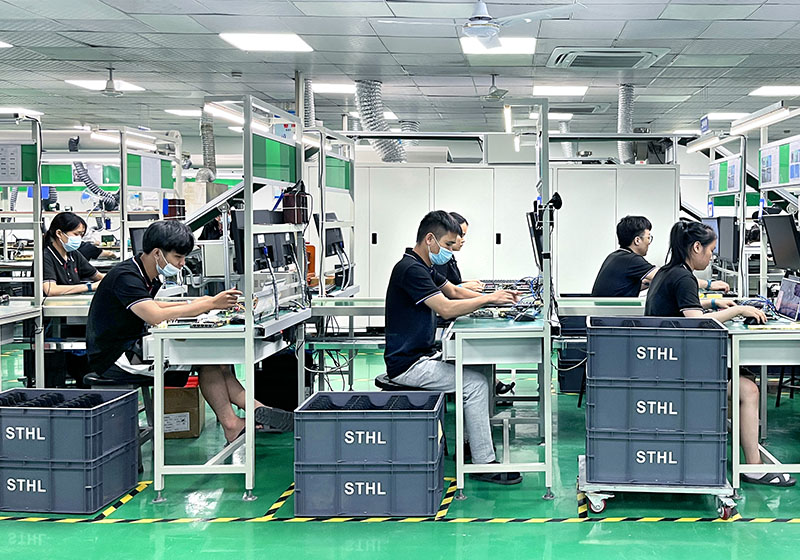
A full suite of design, procurement, assembly, and testing solutions customized to accelerate time-to-market for electronics OEMs worldwide.
Operating 7 automated assembly lines handling prototype and mass production runs. Advanced SMT machinery guarantees precise placement down to 01005 passives. Dedicated DIP lines enable clean, IPC-A-610 compliant wave and selective soldering.
From double-sided circuits to complex multi-layer boards, HDI micro-vias, and flexible or rigid-flex PCB configurations. We manage advanced laminates and finish treatments to ensure optimal electrical performance and reliability.
Mitigate logistics and component allocation risks. Our global procurement network secures genuine, certified silicon, passives, and active components from authorized distributors. Every component undergoes strict incoming quality control (IQC).
Complete custom wire harness and cable integration. We manufacture custom retention mechanisms, heavy-duty connectors, and high-frequency shielding layers to guarantee signal integrity across industrial and aerospace interfaces.
Go from board assembly to retail-ready physical devices. We integrate finished PCBA boards into custom-machined plastic or metal enclosures, execute system-level calibration, and perform final packaging for direct logistics dispatch.
Rigorous electrical validation to guarantee stable operations. We construct customized in-circuit test (ICT) fixtures, perform environmental stress screening, and execute functional simulation testing to catch trace failures or assembly defects.
In the highly competitive electronics industry, sourcing components and choosing a printed circuit board assembly manufacturer is more than a simple procurement step—it is a critical business strategy. China, and Shenzhen in particular, remains the global epicenter of electronics manufacturing services (EMS) due to an unparalleled level of vertical supply chain integration.
At STHL, we leverage the geographic cluster effect of Shenzhen. Our facility sits within a two-hour logistics circle containing hundreds of verified component manufacturers, specialized tooling shops, metal fabricators, and custom raw material producers. This physical proximity allows us to achieve major process milestones: reducing prototype turnarounds by up to 50%, rapidly securing hard-to-find microcontrollers, and resolving mechanical housing tolerances within hours rather than weeks.
As microelectronics shrink, assembly tolerance margins disappear. Passive components like 0201 or 01005 resistors and ultra-fine pitch BGAs (Ball Grid Arrays) demand highly controlled solder deposit volume and precise thermal profiling. STHL addresses this through real-time feedback loops. Automated Solder Paste Inspection (SPI) measures the height, area, and volume of printed paste before components are placed. Any minor shift in volume triggers automatic adjustments on our DEK printers. After reflow, inline 3D Automated Optical Inspection (AOI) validates solder joint shape, checking for solder bridges, tombstoning, and lifted leads.
For hidden joints underneath BGAs or QFN packages, transmissive X-Ray laminography allows our quality engineering team to view internal connections. This level of rigor ensures that voiding ratios inside solder balls remain well below the IPC Class III limits of 25%, preventing latent field failures caused by thermal stress or vibration. By maintaining certifications like IATF 16949 for automotive systems and ISO 13485 for medical devices, we verify that every production run complies with safety and durability standards.
In high-reliability markets, failure is not an option. For automotive electronics (e.g., ADAS, battery management systems) and medical technology (e.g., patient monitors, surgical tools), quality management systems must be traceable. Our IATF 16949 certification ensures we execute advanced product quality planning (APQP), carry out rigorous Failure Mode and Effects Analysis (FMEA), and maintain full component batch traceability from raw silicon down to the finished assembly. Similarly, ISO 13485 requires strict cleanroom control, risk assessment, and validation processes for medical devices, guaranteeing that every medical PCBA we manufacture works flawlessly under pressure.
Electronic boards must be tailored to their operating environments. STHL provides customized material selection, thermal design, and surface treatments to match different industrial sectors:
Sourcing PCBA manufacturing services internationally requires managing quality, lead times, and intellectual property. For global procurement teams, the critical phase begins before fabrication: Design for Manufacturing (DFM). At STHL, our engineers perform a complimentary DFM analysis on all incoming Gerber files and Bills of Materials (BOM). This review screens for copper-to-edge clearances, thermal relief layouts, footprint mismatches, and component obsolescence (EOL), identifying potential production bottlenecks before tooling starts.
To secure our customers' intellectual property, STHL operates under strict internal security protocols. Our servers use encrypted, isolated networks, and all staff follow Non-Disclosure Agreements (NDAs). Additionally, we implement secure firmware programming on isolated flashing networks to prevent unauthorized code extraction, providing global partners with peace of mind when manufacturing proprietary technology in China.
Get professional, transparent answers to the most common questions asked by hardware engineers and global procurement directors.
Explore our specialization in security systems, smart automation, medical hardware, and automotive control modules.
 STHL PCBA