The SMT (Surface Mount Technology) circuit board represents a significant advancement in electronics manufacturing. Many manufacturers have embraced this technology for its efficiency and reliability. As industries evolve, the demand for compact and high-performance electronic devices grows. SMT circuit boards cater to this need by allowing for tighter component placement and reducing overall board size.
One notable advantage of SMT circuit boards is their ability to support higher pin counts. This enhances functionality while minimizing space. Additionally, such boards often lead to reduced assembly costs. Manufacturers can achieve faster production times compared to traditional methods. However, challenges exist, such as the initial investment in advanced machinery and the learning curve for personnel.
Understanding these benefits is essential for manufacturers seeking to remain competitive. Integrating SMT circuit boards into production can yield significant returns. Yet, it's crucial to navigate potential drawbacks, such as potential repair difficulties. Balancing the benefits and challenges requires careful consideration, making experience and expertise paramount in the decision-making process.
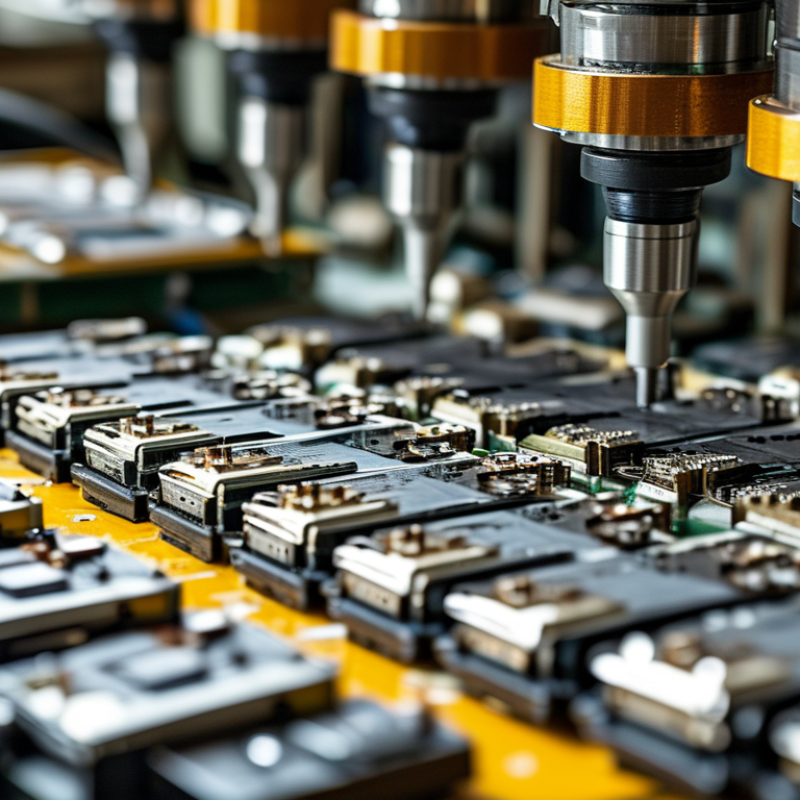
SMT (Surface Mount Technology) circuit boards have revolutionized the manufacturing landscape. They offer distinct advantages that enhance production efficiency. One primary benefit is their compact design. Smaller components mean more space on the board for additional functionalities. This compactness accelerates assembly processes. Fewer errors occur when handling these smaller parts, ultimately saving time.
Manufacturers achieve higher precision with SMT circuit boards. The automated placement of components reduces the need for manual labor. This automation can lead to fewer defects, as machines maintain consistent quality. Moreover, SMT boards can be processed at a faster rate, increasing overall production capacity. However, the initial setup can sometimes be complex.
Material efficiency stands out with SMT technology. Manufacturers utilize solder paste effectively. This reduces waste and ensures a cleaner production environment. Yet, it's vital to monitor the soldering process closely. Missed inspections could lead to critical failures. This could impact the entire supply chain, emphasizing the importance of quality control measures.
SMT technology brings remarkable speed improvements to circuit board production. Manufacturers witness a significant boost in their throughput. With Surface Mount Technology (SMT), components are mounted directly onto the surface of the board. This process reduces the space needed for traditional components and allows for more efficient assembly lines.
The automation of SMT processes is a major factor in enhancing production speed. Improved machinery handles placement and soldering tasks swiftly, minimizing human error. However, many manufacturers face challenges integrating these advanced systems. Training staff and maintaining equipment can be arduous. These factors can sometimes counteract the advantages of speed.
Additionally, while SMT is efficient, inspection remains critical. High-speed production can lead to overlooked defects. Investing in quality control becomes essential to ensure product reliability. Balancing speed and quality requires constant reflection. It is this delicate dance that defines success in the modern electronics manufacturing landscape.
The adoption of Surface Mount Technology (SMT) circuit boards significantly impacts manufacturers' cost efficiency and material use. A report from IPC indicates that SMT can reduce material waste by up to 30%. This reduction is largely due to the efficient use of components and the minimization of soldering errors.
SMT circuit boards allow for a higher component density. This means more components can fit into a smaller space, leading to savings on material costs. In many cases, these savings can exceed 20% per unit when compared to traditional through-hole mounting methods. Companies can also benefit from less scrap material during production, which reinforces sustainable practices.
However, manufacturers may initially face challenges with the transition to SMT. Training staff to handle these delicate components is crucial. Not every operation can adapt quickly, leading to potential misalignments in production. Maintaining quality control is vital. It's essential to regularly assess the processes to ensure that the benefits of SMT are fully realized.
Surface Mount Technology (SMT) circuit boards are transforming the manufacturing landscape. One significant advantage is their improved reliability. According to IPC (Institute for Printed Circuits), SMT assemblies exhibit a 90% reduction in solder joint failures compared to traditional through-hole technology. This dramatic decrease is critical for manufacturers aiming for higher quality and fewer recalls.
Moreover, SMT circuit boards enhance performance in various applications. Their smaller size allows for denser circuit layouts, which leads to improved electrical performance. Reports indicate that this compact design can boost signal speed by approximately 30%. Additionally, the reduction of thermal stress on components enhances overall durability—a key consideration in today's fast-paced tech environment.
Despite these benefits, challenges persist. Manufacturers must navigate the complexities of precision assembly and potential rework issues. For instance, even minor misalignments can lead to significant operational problems. Continuous monitoring and rigorous quality control are vital. As the market for electronics grows, it is essential to adapt and refine SMT techniques to address these challenges.
Surface mount technology (SMT) circuit boards offer significant flexibility for manufacturers, particularly in design and functionality. They enable compact assemblies, allowing for innovative layouts and increased component density. According to a report by the IPC, SMT can increase assembly line efficiency by up to 80%. This efficiency allows manufacturers to introduce more complex devices within tight spaces.
In addition to space savings, SMT circuit boards support various components. They accommodate numerous types of chips, sensors, and connectors. This versatility is crucial for industries that require adaptability to rapidly changing technological needs. A study from TechNavio highlighted that 60% of product developers consider component integration a primary factor in PCB design. However, with the benefits of flexible designs, manufacturers must also grapple with challenges, such as ensuring reliable connections in intricate setups.
Manufacturers can tailor features to specific requirements. Customization options allow for unique thermal management, electrical performance, and mechanical strength. But, the added complexity can lead to difficulties during the manufacturing process. Quality control becomes essential. According to the IPC-A-600 standards, maintaining high reliability will require rigorous testing and validation. Balancing flexibility with the operational demands remains a reality for many producers.
: SMT circuit boards enhance efficiency through compact design, allowing for more functionalities and faster assembly processes.
Automation in component placement reduces manual labor, leading to fewer defects and maintaining consistent quality.
SMT boards can be processed faster, which increases overall production capacity and reduces assembly time.
SMT efficiently uses solder paste, reducing waste and ensuring a cleaner production environment, though inspections are crucial.
SMT allows for compact assemblies and increased component density, making room for more complex devices in limited spaces.
Flexibility supports numerous components, which is vital for adapting to rapidly changing technological needs.
Manufacturers must ensure reliable connections in intricate setups, complicating the assembly process.
Custom features can be tailored for thermal management, electrical performance, and mechanical strength, enhancing functionality.
With added complexity in designs, rigorous testing is needed to maintain high reliability and ensure product performance.
While offering numerous advantages, the initial setup can be complex and potentially lead to operational challenges.
SMT Circuit Boards offer several key benefits that significantly enhance manufacturing efficiency. By implementing SMT technology, manufacturers can achieve enhanced production speeds due to the ability to place more components in less time, which streamlines the assembly process. Additionally, SMT Circuit Boards contribute to cost savings and reduced material waste as the technology allows for smaller components and higher packing density, minimizing the use of raw materials.
Furthermore, the reliability and performance of SMT Circuit Board assemblies are improved due to better electrical connections and lower susceptibility to mechanical stress. This leads to superior overall product quality. Lastly, the flexibility in design and features provided by SMT Circuit Boards allows manufacturers to create innovative solutions that cater to a wide range of applications and market needs, making them an essential choice for modern electronic manufacturing.

STHL PCBA