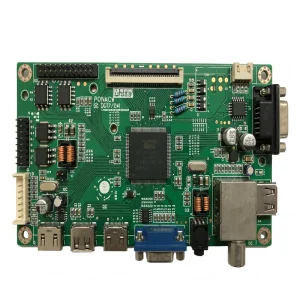
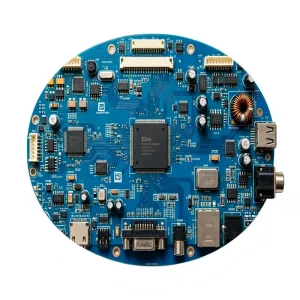
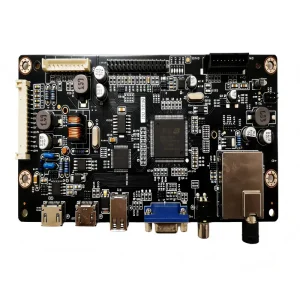
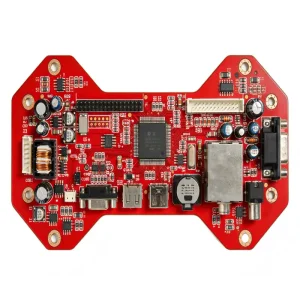
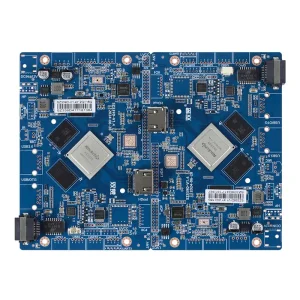
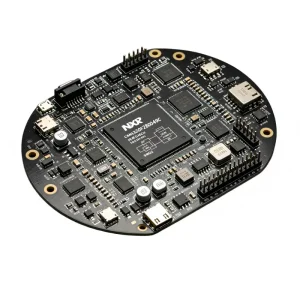
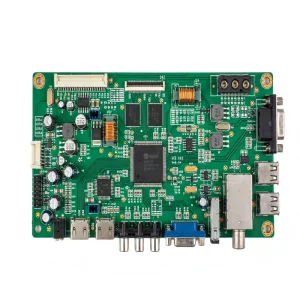
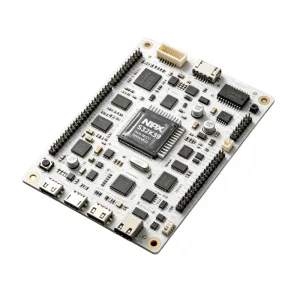
Explore our wide portfolio of precision assemblies designed for longevity, harsh environmental tolerance, and robust electrical insulation.
Established Year
Production Facilities
Experienced Professionals
Export Regions Worldwide
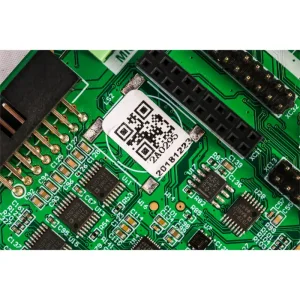
As micro-electronics shrink in size while handling higher currents and logic densification, their sensitivity to atmospheric moisture, salt sprays, dust, chemicals, and temperature fluctuations scales exponentially. Conformal coating is not merely an optional protective shell; it is a critical engineering requirement to secure mission-critical operations.
By applying a thin polymeric film over the PCBA, components are protected against leakage currents, electrochemical migration, dendritic growth, and mechanical shocks. This ensures the structural integrity and high performance of systems deployed in rugged environments.
SEO Intent Focus: For defense, medical devices, automotive control units, and aerospace operations, high-performance conformal coating prevents catastrophic hardware failure in unpredictable environments.
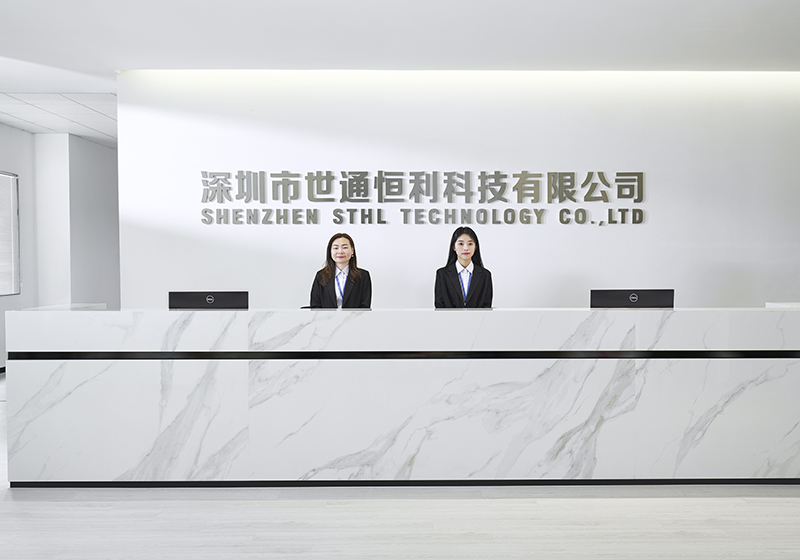
A leading tier-one Electronic Manufacturing Services (EMS) provider based in Shenzhen, China, servicing clients worldwide for 20 years.
Shenzhen STHL is an established high-quality provider of Electronics Manufacturing Services (EMS) in China. We serve customers globally across the entire lifecycle including layout optimization, components sourcing, PCB fabrication, PCBA assembly, cable assembly, box-build assembly, and comprehensive reliability testing.
Established in 2006, our 20 years of electronic contract assembly expertise translates to flawless execution. Currently, STHL boasts over 220 experienced staff members working across our 10,000 sqm modern manufacturing plant. This facility features 7 automated SMT lines, 2 DIP/THT lines, 2 functional testing (FCT) lines, and 2 finished box-build product lines.
We pride ourselves on manufacturing products in strict compliance with RoHS, REACH, and regulatory demands, ensuring full quality guarantees. Our globally recognized certifications include:
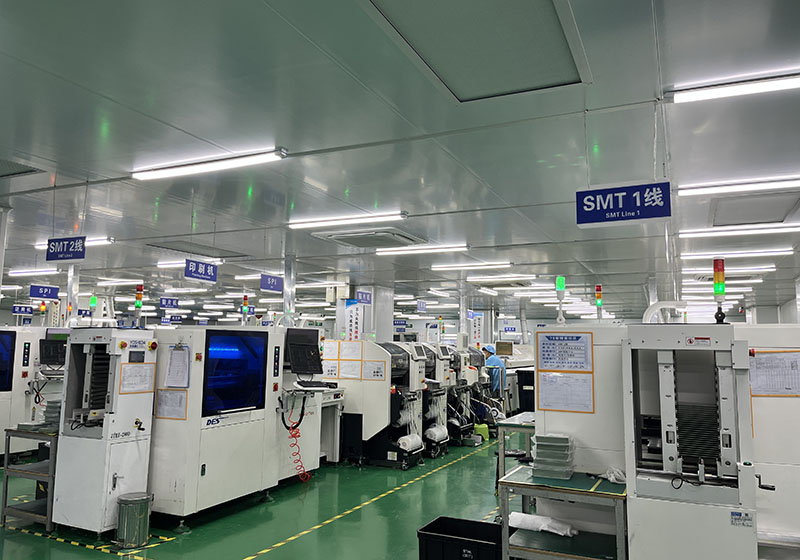
Operating cutting-edge systems capable of handling fine-pitch component geometries and robust mechanical configurations.
We handle complex architectures such as Ball Grid Array (BGA), Ultra-Fine BGA (uBGA), QFN, QFP, SOIC, and PLCC packages with micron-level placement precision. Our line configuration leverages Package-on-Package (PoP) systems, complemented by high-resolution AOI (Automated Optical Inspection) and 3D X-Ray Inspection systems to detect structural voids and solder bridging instantly.
STHL maintains a rigorous DIP/THT system utilizing both automatic components insertion machinery and high-fidelity manual assembly protocols. Equipped with custom wave soldering fixtures, nitrogen-inert environments, and ESD-compliant workspaces, our Through-Hole solutions guarantee structural solder fillet joints that meet IPC-A-610 Class 3 requirements.
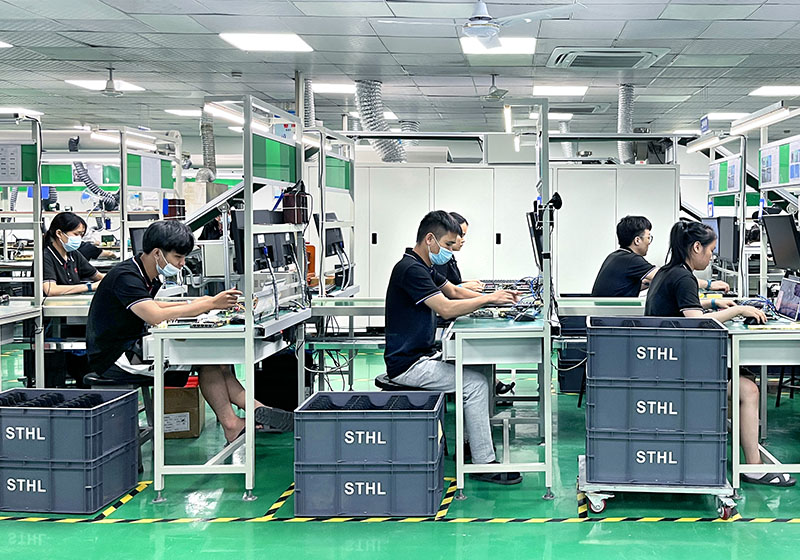
Choosing the correct polymer chemistry is critical to alignment with environment targets. Below is a comparative breakdown of key material properties.
| Chemistry Type | Key Protective Properties | Temperature Range | Industry Standards Compatibility | Optimal Application Method |
|---|---|---|---|---|
| Acrylic Resin (AR) | Excellent moisture protection, easily reworkable, high dielectric strength. | -65°C to 125°C | MIL-I-46058C, IPC-CC-830 | Selective Spray / Dipping |
| Polyurethane Resin (UR) | Exceptional chemical resistance, highly abrasion-resistant, low vapor permeability. | -65°C to 125°C | UL746E, IPC-CC-830 | Selective Spray |
| Silicone Resin (SR) | Superior thermal range, UV resistant, ideal for extreme high/low temp variations. | -60°C to 200°C | IPC-CC-830, MIL-I-46058C | Selective Spraying / Dispensing |
| Epoxy Resin (ER) | High rigidity, superior humidity/chemical block, acts as structural support. | -65°C to 150°C | Industrial Standard Spec | Dipping / Hand-Brushing |
| Parylene (XY) | Perfect pinhole-free uniform coverage, chemical inertness, aerospace favorite. | -200°C to 150°C | NASA Standard, MIL-I-46058C | Vapor Deposition Polymerization |
Offering vertical integration from component validation to end-of-line functional tests under one unified command center.
7 automated SMT lines and 2 DIP lines catering to quick-turn prototype phases and robust mass production runs, utilizing premium lead-free RoHS solder alloys.
Fabricating reliable, multi-layer circuit architectures. Ranging from rigid boards to ultra-slim flexible/rigid-flex materials configured with controlled impedance parameters.
Strategic direct partnerships with premier global component distributors. Full traceability mitigates counterfeit part risks and minimizes long lead-time friction.
Providing precision wire harnessing, integrated retaining systems, custom connectors, and comprehensive electromagnetic shielding solutions for harsh environments.
Consolidated box build: housing design support, assembly, thermal performance modeling, functional calibration, and end-user retail-ready packaging logistics.
Rigorous test execution using customized ICT jigs, climatic stress screening chambers, and diagnostic tools to eliminate potential device failures before shipping.
Our facility uses advanced automated selective coating machinery. This allows us to apply precise film thicknesses (typically 25-75 microns) to target board areas without coating critical non-coat zones, such as test points, connectors, and mounting holes.
By coupling selective spray lines with high-throughput inline UV curing ovens, we achieve rapid polymerization of the coatings. This high-speed cure process accelerates assembly times and delivers consistent coating cross-linking.
Achieving defect-free conformal coating requires precise process control. Manual application approaches often result in issues like bubbles, uneven coating thicknesses, and "orange peel" textures, which can compromise the board's protective seal.
STHL addresses these challenges through automated selective spray systems. We configure dynamic multi-axis dispensing heads to optimize spatial trajectories. This ensures repeatable, high-precision coating deposition across complex components, even with variable component heights and tight spacing.
Furthermore, our automated UV-inspection systems use specialized blacklight fluorescence. This allows us to visually inspect each board and quickly identify any coverage gaps or flow defects across the assembly run.
Managing global sourcing schedules requires reliable raw material validation and strict compliance with international trade laws. At STHL, we ensure full traceability of all components down to the original manufacturer lot code. This helps mitigate the risk of supply chain delays or component quality issues.
All incoming materials undergo strict inspection. In addition, our manufacturing and coating lines adhere to global environmental and safety directives: RoHS, REACH, and WEEE. This guarantees that your assemblies are compliant and ready for import to major international markets, including the EU, North America, and APAC.
EEAT Evidence: Our facilities are audited regularly to maintain IATF 16949 and ISO 13485 certifications. This demonstrates our commitment to meeting the rigorous quality standards required for automotive and medical applications.
Investing in advanced materials and automated processes to support next-generation electronics protection.
Developing ultra-thin, hydrophobic nanocoatings that provide moisture protection without adding thermal bulk, ideal for compact wearable tech.
Integrating AI-driven inspection systems to identify coating defects, voids, and thickness variations in real time, reducing manual review times.
Evaluating bio-based coating resins to reduce environmental impact while maintaining strong dielectric and moisture protection properties.
Browse our range of high-performance assemblies, featuring medical-grade precision and robust wireless communication modules.
Get answers to common queries regarding conformal coating standards, application parameters, and quality assurance workflows at STHL.
We comply with the IPC-CC-830 and MIL-I-46058C standards to ensure that all conformal coatings meet high quality and performance guidelines for industrial, automotive, and medical applications.
Silicone resin (SR) coatings are typically recommended for automotive applications due to their wide operating temperature range (-60°C to 200°C) and strong resistance to thermal cycling stresses.
Automated selective spray systems provide consistent coating thicknesses and precise coverage. This minimizes defects like pooling and voids, which can sometimes occur with manual application methods.
We use automated selective spraying or temporary peelable masks to protect connectors, test points, switches, and RF shield grounds, ensuring they remain clean and functional.
Yes. In addition to visual UV inspection, we offer custom functional testing (FCT), environmental chamber cycling, and burn-in testing to verify performance before shipment.
 STHL PCBA