Explore our core OEM production capabilities across critical applications, designed for heavy mechanical stress and high thermal stability.
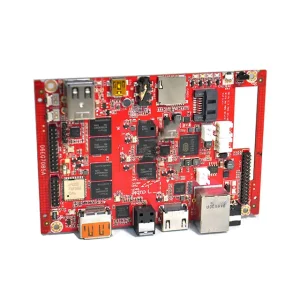
While Surface Mount Technology (SMT) handles high-density, miniature components, Dual In-Line Package (DIP) and Through-Hole Technology (THT) remain irreplaceable for high-reliability systems.
Modern electrical engineering frequently demands mechanical structural stability that SMT cannot provide. High-voltage power grids, high-frequency transmitters, electric vehicle (EV) drivetrains, and aerospace control systems undergo severe thermal expansion cycles and constant physical vibrations. THT components extend all the way through the PCB substrate, anchoring securely into plated through-holes (PTH). This creates an exceptionally durable mechanical bond that resists shear stresses and prevents micro-cracks in lead solder joints.
Today, top OEM factories deploy hybrid assembly setups. Advanced wave soldering machines and automated selective soldering robots operate alongside high-speed SMT placement lines to deliver robust, multi-layer PCBA designs. As global markets transition toward green energy, the demand for high-reliability DIP assembly has intensified to support robust power converters, solar inverters, and heavy-duty grid components.
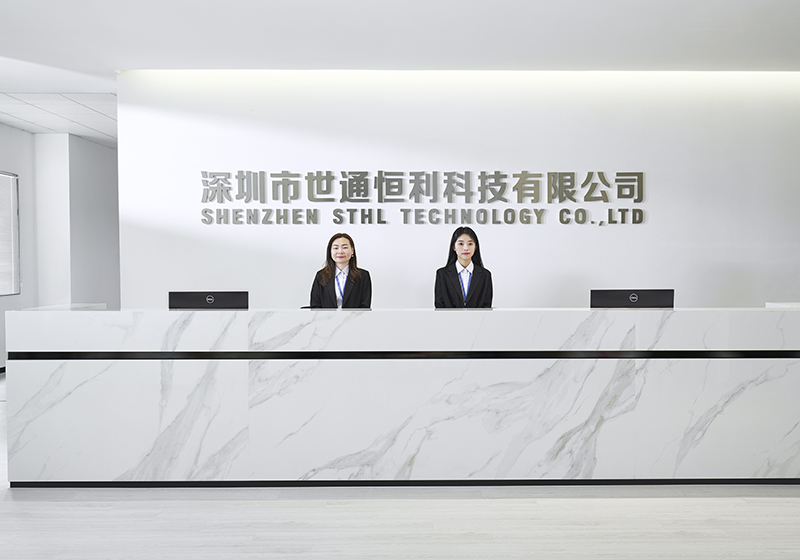
For nearly two decades, STHL has engineered high-integrity electronics manufacturing services (EMS) for clients demanding zero-defect tolerance.
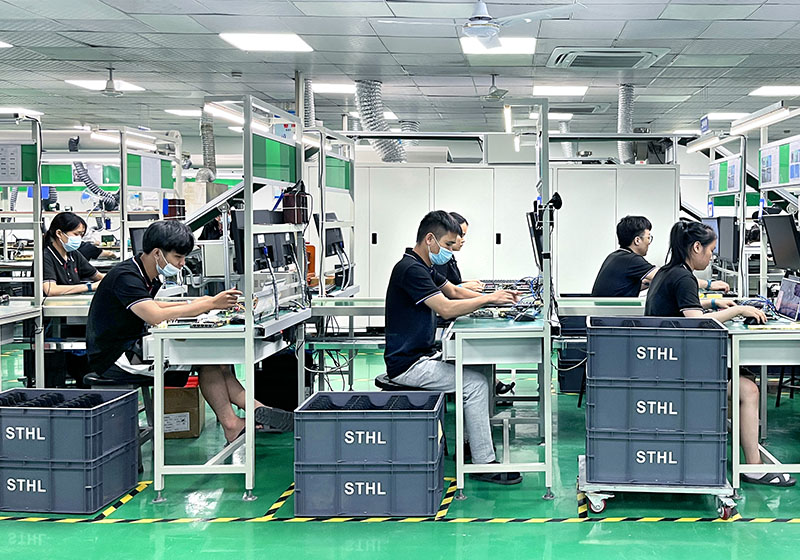
Established in 2006, Shenzhen STHL has developed 20 years of expertise in electronics contract assembly. Our robust 10,000 square meter facility operates with over 220 experienced engineers, technicians, and operators. We run a comprehensive layout of advanced production machinery: 7 automated SMT lines, 2 specialized DIP/THT lines, 2 functional testing (FCT) lines, and 2 finished box-build assembly lines.
STHL holds certifications including IATF16949 (Automotive), ISO9001 (Quality Management), ISO14001 (Environmental Standards), and ISO13485 (Medical Devices). Our production runs strictly comply with RoHS and lead-free directives, which are critical for global supply chains in the USA, Germany, Poland, Brazil, Korea, and 90 other countries. By leveraging advanced materials analysis, storage systems, and comprehensive reliability testing (including high-speed inline AOI, high-precision X-Ray, in-circuit test (ICT), and functional testing), we ensure that every board shipped meets premium quality standards.
Our capabilities cover a vast range of industries including:
Understanding the engineering nuances, equipment precision, and materials science behind modern electronic assembly methodologies.
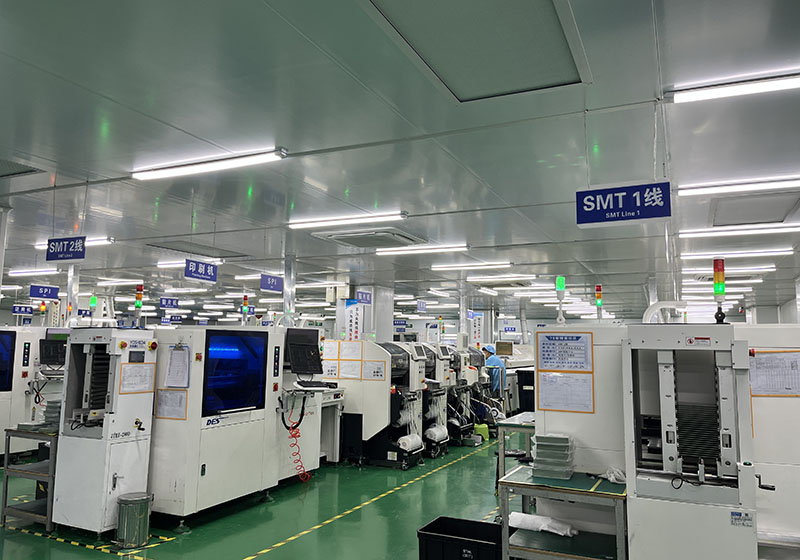
SMT requires high precision to handle micro-scale pitches and complex component packages. Our assembly lines regularly handle:
To prevent hidden voids and alignment issues, we implement inline Automated Optical Inspection (AOI) alongside real-time 3D X-Ray Inspection (AXI) to analyze solder joints under BGAs.
THT remains key for components exposed to high voltage, mechanical wear, or thermal cycles, such as connectors, relays, and power capacitors. STHL's THT lines feature:
Analyzing key advancements in modern electronic packaging and design for manufacturability (DFM) requirements.
Traditional wave soldering exposes the entire bottom of the board to molten solder. Modern high-reliability designs instead rely on automated selective soldering. This process targets individual through-hole joints, reducing thermal stress on adjacent surface-mount components.
Environmental regulations demand lead-free manufacturing. Using SAC305 (Tin-Silver-Copper) alloys requires careful temperature profiling to prevent tin whiskers and ensure uniform void-free joints. Proper flux selection helps eliminate board-level residue.
By pairing 3D AOI with X-ray tomography, we inspect plated through-holes (PTH) for proper solder fill, wetting, and fillet formation. This helps guarantee consistent electrical and mechanical performance across production runs.
From initial design evaluation through components procurement to final testing, STHL provides single-source accountability.
We operate 7 automated SMT lines for precise component placement, alongside 2 dedicated THT lines for manual and wave soldering. This setup allows us to process both quick-turn prototypes and volume production runs.
We supply a range of PCBs, from single-sided and multi-layer rigid boards to flexible and rigid-flex designs, using quality base laminates like FR4, polyimide, and metal-core substrates to meet design specifications.
We source parts globally through established, franchised distributors. This supply network helps us source original, traceable components and manage supply constraints to keep production on schedule.
Our wiring and harness assembly services deliver custom-terminated cabling. We process custom wire harnesses, coaxial connections, and heavy-gauge power lines using crimp testing and pin-out validation.
We handle complete electro-mechanical assembly, installing completed PCBA modules into plastic or metal enclosures. This service includes sub-assembly, front panel integration, final wiring, and packaging.
We perform functional testing (FCT) to verify electrical performance under simulated operating conditions. Testing includes ICT checks, loopback diagnostics, high-voltage isolation checks, and thermal stress cycles.
How our hybrid SMT/DIP lines meet the compliance and operating demands of diverse industries.
Automotive sub-systems and medical monitors require high assembly precision and stable solder joints. Under ISO13485 and IATF16949 standards, STHL manages the assembly process with comprehensive documentation, traceability down to individual component batches, and strict quality control.
For battery management systems (BMS) and electrocardiogram (ECG) monitors, we verify electrical insulation and high-current pathway safety through a combination of automatic inspection and functional testing.
Smart meters and solar power monitors need to operate continuously in harsh outdoor conditions. Through-hole terminals provide the mechanical strength needed to withstand thermal cycling and high voltage levels.
By applying selective conformal coating over assembled boards, we protect the circuitry from moisture, conductive dust, and chemical corrosion, helping to extend the operational life of the equipment in industrial environments.
Answers to common questions about engineering, manufacturing capabilities, and quality standards.
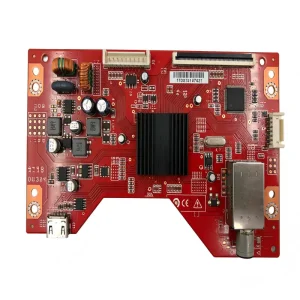
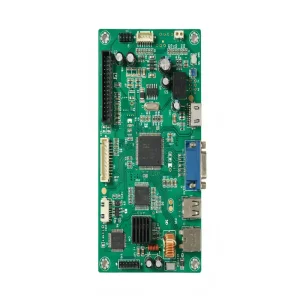
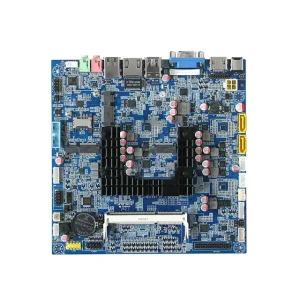
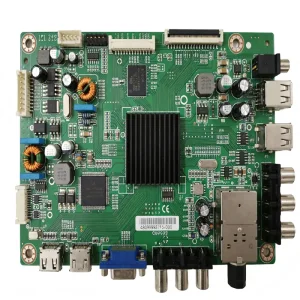
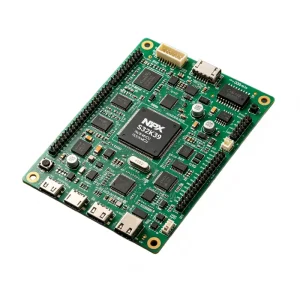
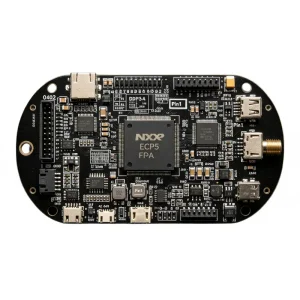
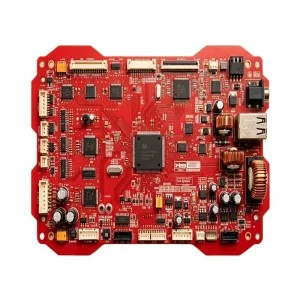
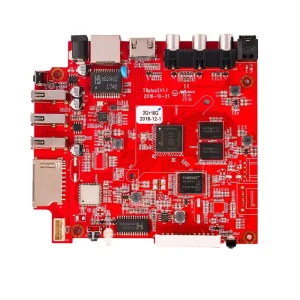
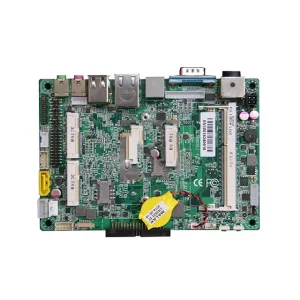
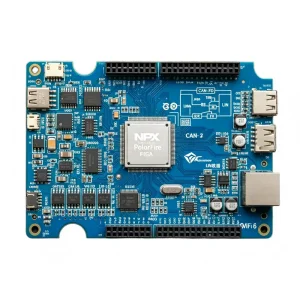
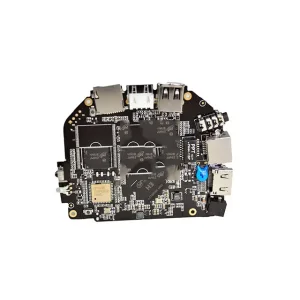
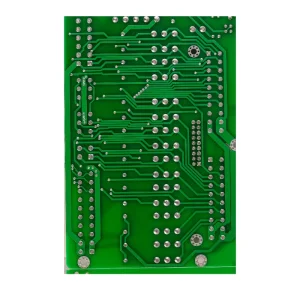
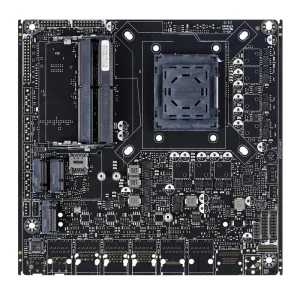
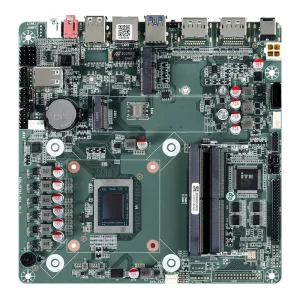
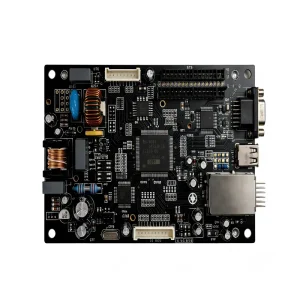
A selection of assemblies engineered for demanding sectors like aerospace, clean energy, and healthcare.
 STHL PCBA