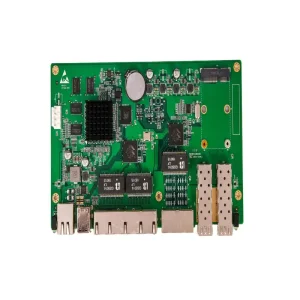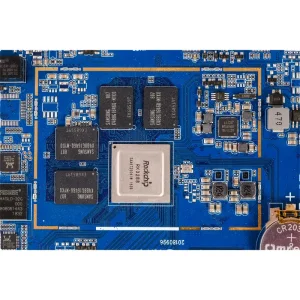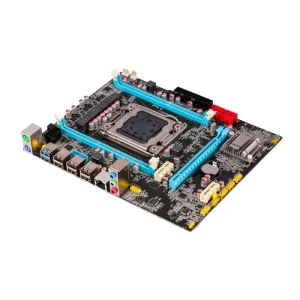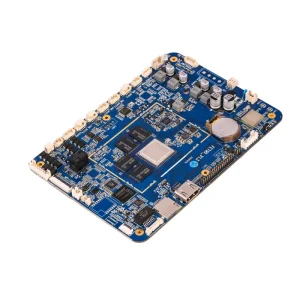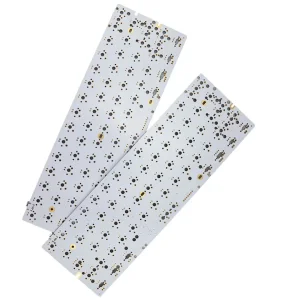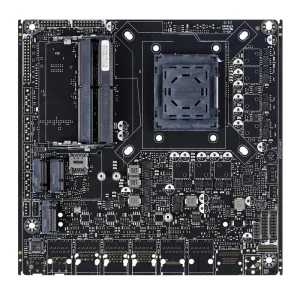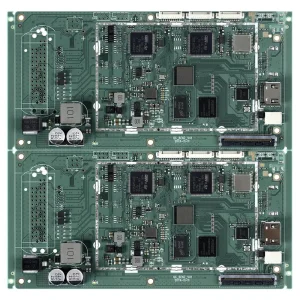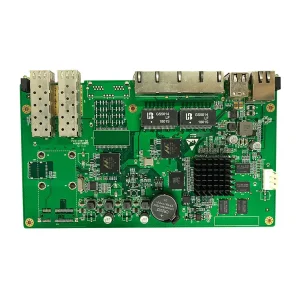
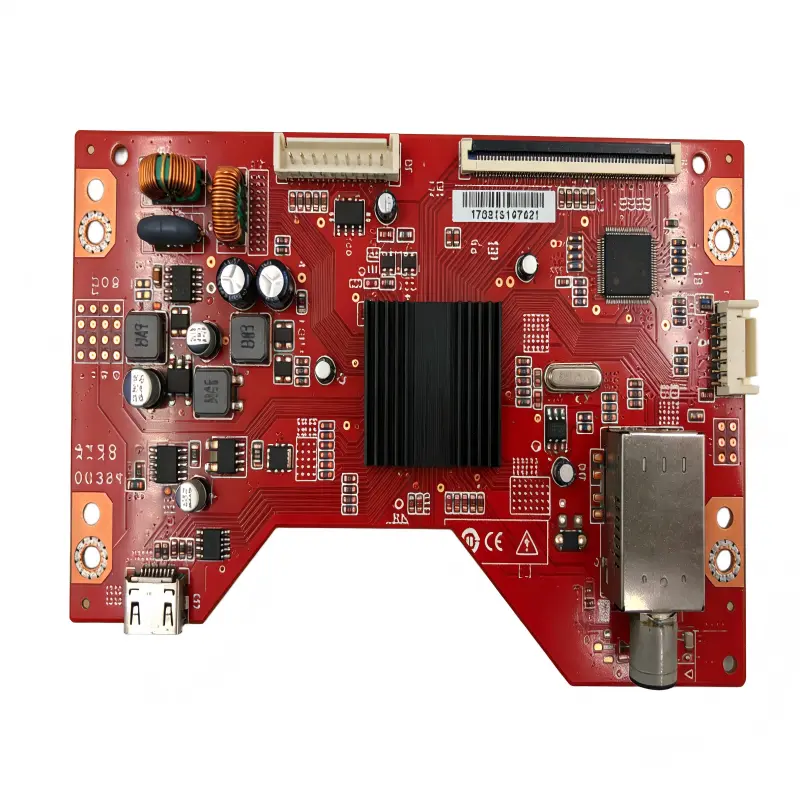
OEM Perimeter Protection System PCB Assembly--STHL Factories, Factory

Serving as the core control board for regional boundary security defense, these PCBs support the integrated access and collaborative operation of multiple detection technologies including vibration fence sensors, infrared correlation beams and microwave induction. They collect multi-dimensional environmental data in real time, conduct comprehensive data comparison and intelligent logic analysis, and effectively distinguish between real intrusion threats and natural environmental false alarms. With strong environmental adaptability and signal stability, they build an all-weather, uninterrupted safety barrier for factory parks, scenic spots, campuses and large-scale enclosed areas.

Product Description

Perimeter Protection System PCB Assembly

Early challenges in perimeter protection system adoption—such as weak boundary sensing signal capture, electromagnetic interference (EMI), and environmental false alarm interference—have been overcome by specialized PCB assembly technologies, particularly rigid-flex PCBs and high-precision surface mount technology (SMT).

These innovations effectively enhance the sensitivity of analog front-ends for capturing faint vibration, infrared and microwave boundary induction signals.

Integrating EMI shielding layers eliminates interference from external industrial equipment and natural environmental noise.

Rigid-flex PCBs balance compact form factors with reliable signal transmission, supporting modular layouts without compromising long-distance detection stability.

This technological leap has enabled perimeter protection system PCB assemblies to outperform traditional boundary monitoring circuits in key areas.
FAQ
Q What were the primary early challenges in perimeter protection system adoption?
Early challenges primarily included weak boundary sensing signal capture, susceptibility to electromagnetic interference (EMI), and high instances of environmental false alarm interference.
Q Which technologies solved the signal capture issues in these systems?
Specialized PCB assembly technologies—specifically rigid-flex PCBs and high-precision surface mount technology (SMT)—enhanced the sensitivity of analog front-ends to effectively capture faint vibration, infrared, and microwave boundary induction signals.
Q How is electromagnetic interference (EMI) mitigated in the new PCB designs?
EMI is controlled by integrating dedicated shielding layers into the PCB assembly, which successfully eliminate interference caused by external industrial equipment and natural ambient noise.
Q What role do rigid-flex PCBs play in device layout and structure?
Rigid-flex PCBs offer a perfect balance between compact, modular form factors and reliable signal transmission, enabling flexible physical layouts without sacrificing detection stability over long distances.
Q Do modernized PCB assemblies outperform traditional boundary circuits?
Yes, the transition to specialized rigid-flex and SMT-based PCB assemblies has allowed modern perimeter systems to significantly outperform traditional monitoring circuits in accuracy, noise control, and physical layout efficiency.

Related Products