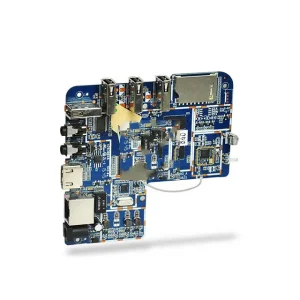
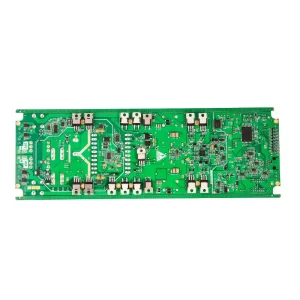
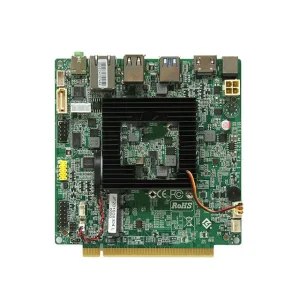
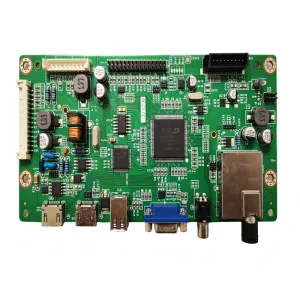
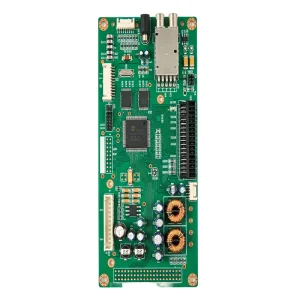
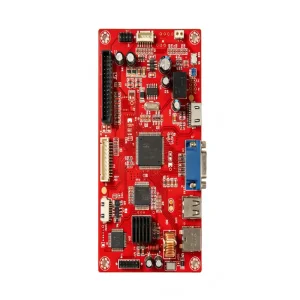
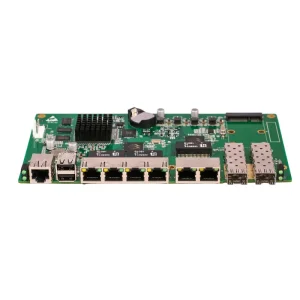
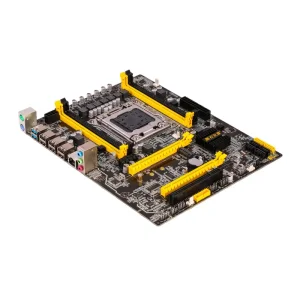
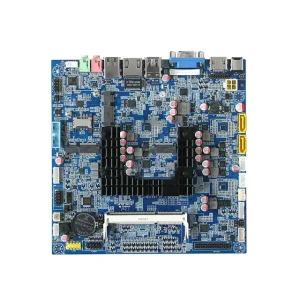
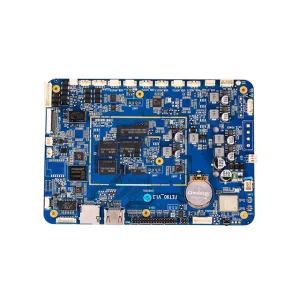
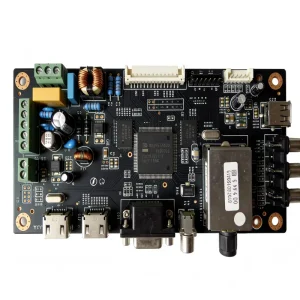
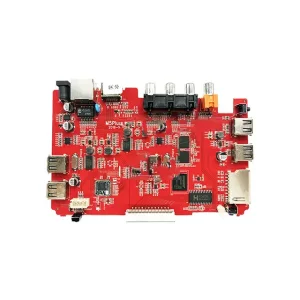
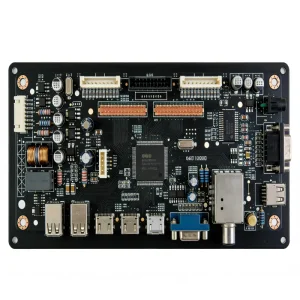
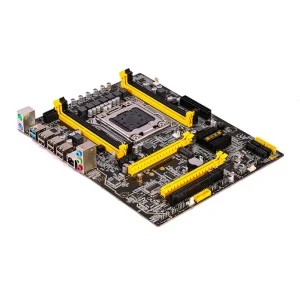
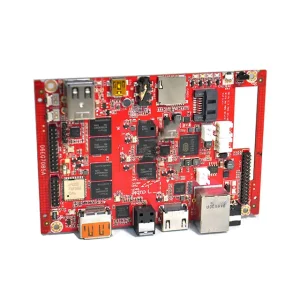
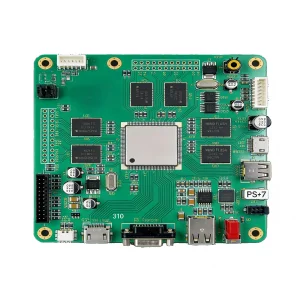
High-reliability printed circuit board assemblies manufactured to industrial specifications.
The technological foundation of modern compact electronics, space-saving designs, and high-frequency signal transmission.
In an era defined by miniaturization, wearables, and high-speed data transmission, Flexible Printed Circuits (FPCs) have transitioned from niche components to fundamental building blocks of modern hardware. FPCs leverage flexible polymer substrates, typically polyimide (PI) or polyester, allowing them to bend, fold, and twist into ultra-dense physical spaces where traditional rigid PCBs cannot survive. This unique property eliminates complex wiring harnesses, reduces system weight by up to 70%, and substantially enhances overall electrical signal integrity by minimizing mechanical interconnect joints.
As a leading OEM Flexible Printed Circuit Manufacturer, STHL partners with hardware innovators globally to navigate the design, fabrication, and assembly of complex single-sided, double-sided, multi-layered, and Rigid-Flex circuits. By combining advanced metallurgy, specialized coverlays, and state-of-the-art SMT (Surface Mount Technology) systems, we convert complex engineering concepts into high-yield mass production realities.
Choosing the right base material is critical for thermal stability, impedance control, and mechanical flexing fatigue life.
Precision alignment is vital to maintain impedance control and prevent delamination during high-temperature reflow cycles.
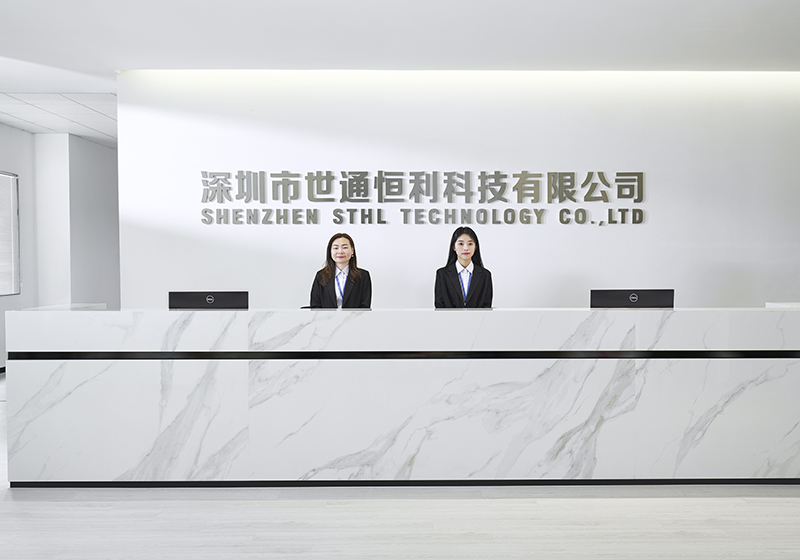
Shenzhen STHL is a premier, high-quality provider of electronics manufacturing services (EMS) based in China. We operate a fully integrated supply chain, serving customers worldwide along the entire electronics manufacturing pipeline. This includes professional PCB layout, strict components sourcing, advanced PCB fabrication (rigid, flex, and rigid-flex), high-speed PCBA assembly, custom cable assembly, complete box build assembly, and comprehensive reliability testing protocols.
With 20 years of experience in electronics contract assembly manufacturing, we have scaled our operations to support a highly qualified team of 220+ engineering and production staff members. Our modern 10,000 sqm facilities host 7 fully automated SMT assembly lines, 2 DIP/THT lines, 2 functional testing (FCT) lines, and 2 dedicated finished device assembly lines.
As an IATF16949, ISO9001, ISO14001, and ISO13485 certified EMS partner, we ensure absolute compliance with RoHS directives and maintain a rigorous quality guarantee structure. Our global footprint covers major industrial hubs including the USA, Germany, Italy, UK, Poland, New Zealand, Argentina, Brazil, Turkey, Korea, Thailand, and over 90 other regions around the world.
Key market dynamics driving flexible circuit demand across automotive, medical, and aerospace industries.
The global Flexible Printed Circuit market is undergoing a structural expansion. According to industry analysis, the market is projected to grow at a Compound Annual Growth Rate (CAGR) exceeding 8.5% over the next decade. This growth is fueled by the transition toward 5G communications, the mass adoption of electric vehicles (EVs), and the rise of IoT-enabled medical wearables. FPCs are no longer seen as simple interconnecting strips; they have evolved into highly complex systems capable of carrying micro-BGAs, high-density connectors, and passive components directly on the flexible substrate.
Regionally, Asia-Pacific (especially China and South Korea) remains the manufacturing powerhouse, accounting for over 70% of global FPC output. However, demand centers in North America and Western Europe are pushing for higher reliability standards, driving manufacturers to adopt advanced materials like Liquid Crystal Polymer (LCP) and Modified Polyimide (MPI). These next-generation materials offer exceptionally low dielectric loss, making them indispensable for the high-frequency, low-latency requirements of next-generation communication systems.
Simultaneously, trade policies and supply chain resilience initiatives have forced global OEMs to seek EMS partners who possess deep technical capabilities alongside robust risk management programs. End-to-end traceabilities, dynamic inventory buffer schemes, and certified chemical usage compliance have become mandatory pre-requisites for modern industrial procurement.
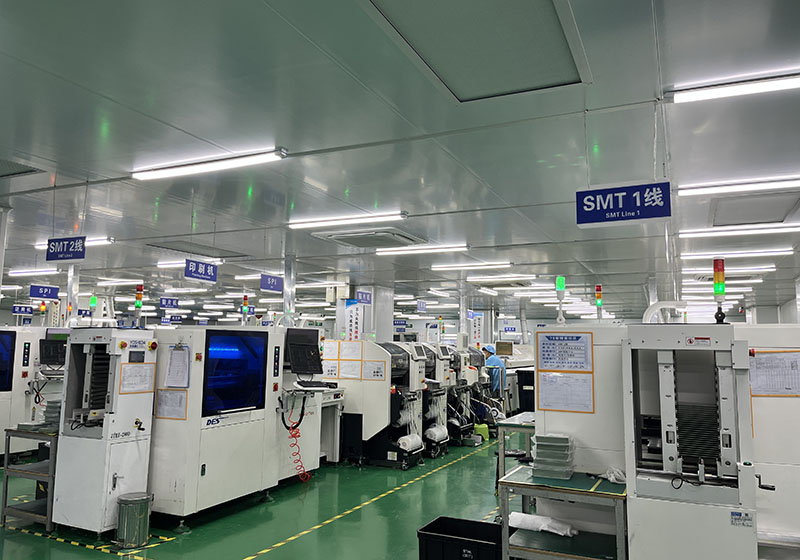
Surface Mount Technology (SMT) is the backbone of compact FPC assembly. Due to the thin, flexible nature of FPC substrates, specialized fixture frames and vacuum transfer systems are utilized to prevent warping and ensure micron-level component placement accuracy.
We can handle an extensive range of advanced, fine-pitch components with high precision:
Our dedication to quality control spans past component placing. We implement inline 3D Automatic Optical Inspection (AOI) and offline high-definition 3D X-Ray Inspection systems to evaluate solder joint integrity, discover hidden bridge defects, and verify precise BGA alignment.
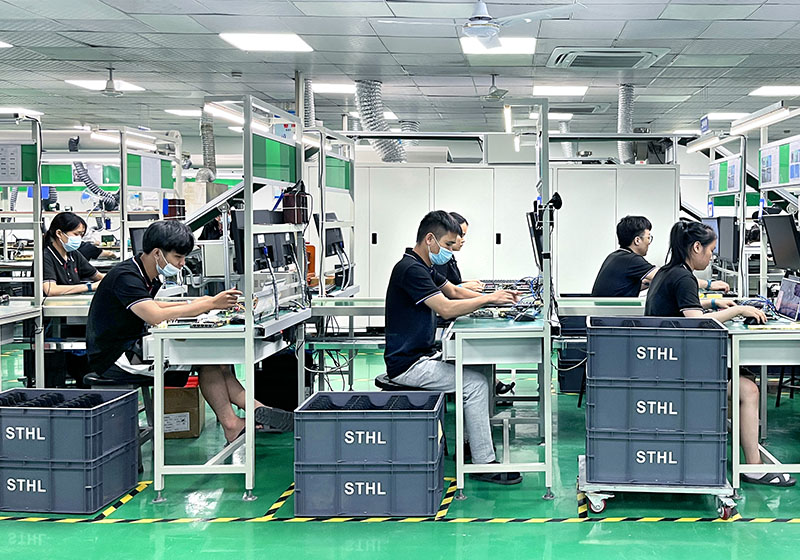
Despite the rapid adoption of SMT, Through-Hole Technology (THT) remains indispensable for mechanical connectors, power terminal blocks, and heavy-duty capacitors that endure substantial physical stress or high current loads.
At STHL, our comprehensive THT department excels in delivering robust mechanical connections through:
From schematic design to complete retail-ready box build systems, STHL supports your entire production lifecycle.
STHL operates 7 automated PCB assembly lines for both prototype and mass production. Advanced SMT ensures precise component placement and quality. Skilled technicians provide efficient THT assembly and RoHS-compliant lead-free soldering.
STHL PCB fabrication service produces high-quality, reliable printed circuit boards from simple singles to complex multi-layers, from flex PCB to rigid-flex PCB, we use premium materials and controlled processes to meet precise specifications.
STHL offers global electronic component sourcing and supply chain solutions. Our vast supplier network and expertise ensure access to genuine, certified parts, mitigating risks of counterfeits, allocation, and long lead times to secure your production schedule.
With the precision manufacturing of cable assembly components including handles, retention systems, connectors, and shielding in a wide range of materials and finishes, we have performed many successful cable assembly for many customers from various industrial applications.
Making your projects at STHL from SMT assembly to box build assembly is very cost-effective and fast to market. Covering everything from putting a PCBA into the enclosure with all functions testing to a complete product assembly packaged and ready for delivery to your customers, we can supply the full support.
STHL conducts functional testing (FCT) to verify product performance, preventing defects such as circuit issues, missing or incorrect components. This ensures delivered products are stable and fully qualified.
How our FPC designs are tailored to satisfy regional regulatory frameworks and demanding operating conditions.
Electronic products operate under varying environments and regulatory landscapes depending on their deployment geography. In North America and Western Europe, medical devices and automotive equipment must adhere to strict regulatory thresholds (e.g., FDA Class II/III guidelines or ISO 26262 functional safety requirements). FPCs utilized in medical diagnostic machinery must pass biosecurity standards while sustaining millions of dynamic flexion cycles. STHL works alongside engineering teams in the USA and Germany, performing rigorous finite element analysis (FEA) on flex circuits to predict bend fatigue and trace rupture risks before tooling creation.
Conversely, for markets in South America and Southeast Asia, such as Brazil and Thailand, environmental resilience is paramount. High humidity and temperature fluctuations demand specialized coverlay bonding techniques and enhanced anti-corrosion surface finishes (such as high-thickness Electroless Nickel Immersion Gold - ENIG). Our localized engineering services ensure that track routing, stiffener selections, and chemical coatings are optimized specifically to survive regional environmental conditions and satisfy compliance laws, reducing field return rates to near-zero levels.
Exploring the next frontier of flexible electronics: LCP substrates, additive printing, and high-frequency communication.
The roadmap for Flexible Printed Circuits is deeply linked with the proliferation of millimeter-wave 5G networks and the emergence of 6G standards. Traditional polyimide substrates suffer from relatively high dielectric constants and dissipation factors at high frequencies (above 10 GHz), resulting in significant signal attenuation. This has catalyzed the shift toward Liquid Crystal Polymer (LCP) substrates. LCP features a near-homogeneous dielectric constant of 2.9 and an ultra-low dissipation factor of 0.002, comparable to PTFE but with vastly superior mechanical stability and moisture absorption properties. Our engineering lines are currently adapting to process LCP multilayers for high-speed telecom transceivers.
Another major trend is the development of ultra-thin, high-density interconnect (HDI) rigid-flex configurations. By integrating micro-vias through laser ablation and filling them with copper plating, we can assemble multi-layer designs that accommodate high-density BGAs with a pitch below 0.4mm. Furthermore, additive manufacturing is beginning to influence FPC design, allowing silver or copper-based conductive inks to be printed directly onto flexible substrates, facilitating rapid prototyping and reducing chemical waste during production. STHL remains committed to researching green chemistry options, striving for carbon-neutral processing workflows across all production lines.
FPC and PCBA platforms engineered to handle harsh industrial, medical, and power environments.
High-reliability circuits designed to withstand high engine temperatures, vibration, and electrical noise. Ideal for battery management systems (BMS), LIDAR, radar sensors, and camera modules under IATF16949 standards.
We manufacture biocompatible, dynamic flexible assemblies for surgical cameras, patient monitors, defibrillators, and diagnostic devices, ensuring reliable performance in critical healthcare situations.
Comprehensive controller assemblies for solar inverters, smart grid interfaces, and high-capacity battery storage systems, built to handle high voltages and currents with stable long-term operation.
Answers to common engineering questions regarding flexible circuit board manufacturing, quality assurance, and design guidelines.
Standard prototype manufacturing and quick-turn SMT assembly can be completed within 5-7 working days, depending on layer count and component sourcing speed. Mass production orders typically range between 15-20 working days from dynamic engineering check approval (EQ approval).
Because FPC materials are flexible, we utilize custom-machined metal carrier plates (carriers) to keep the circuit flat. SMT lines utilize computerized solder paste inspection (SPI), automated high-speed component placers, 3D inline AOI, and 3D X-Ray systems to monitor solder joints and BGA voiding levels.
FPCs are highly flexible, which is ideal for dynamic bending but problematic for component placement zones and connectors. We offer FR4 stiffeners for localized thickness enhancement, Polyimide (PI) stiffeners to reinforce insertion fingers (like ZIF interfaces), and stainless steel or aluminum stiffeners for heat dissipation and rigidity.
STHL maintains full material traceabilities from raw materials to finalized devices. We procure base laminates and solder alloys from certified suppliers. We provide material sheets, chemical reports, and SGS analysis to prove absolute RoHS and REACH compliance across all shipments.
High-reliability industrial instrumentation, monitoring equipment, and smart controller boards.
 STHL PCBA