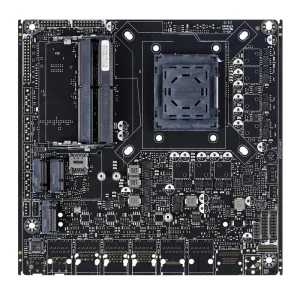
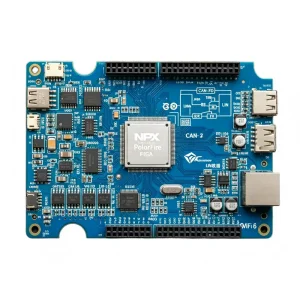
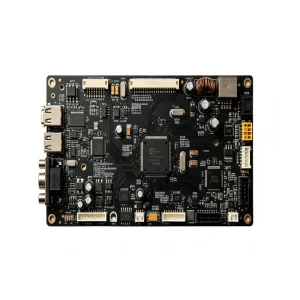
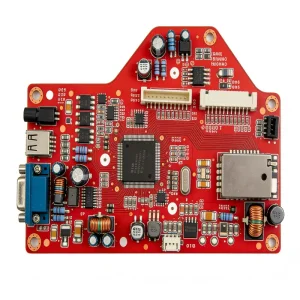
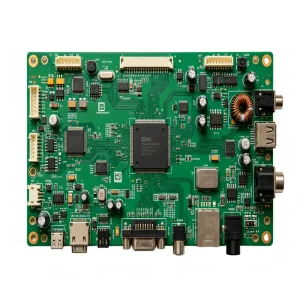
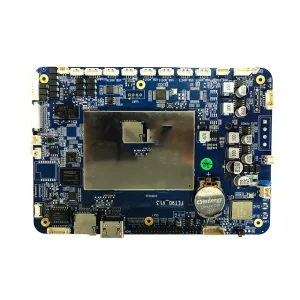
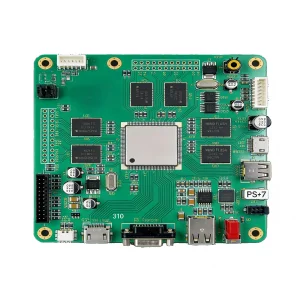
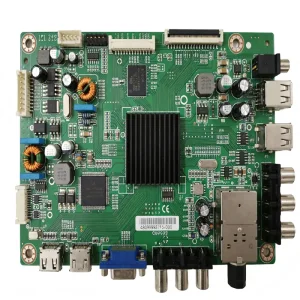
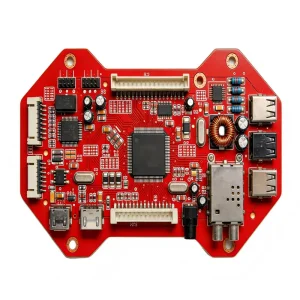
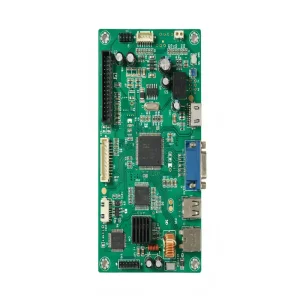
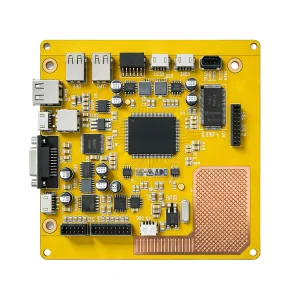
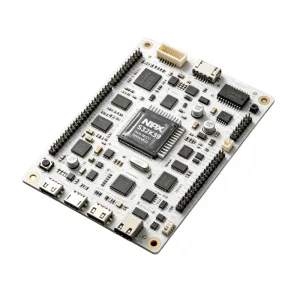
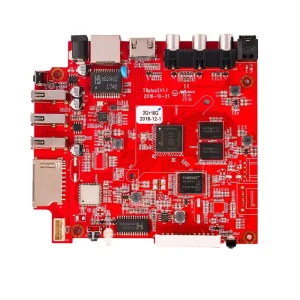
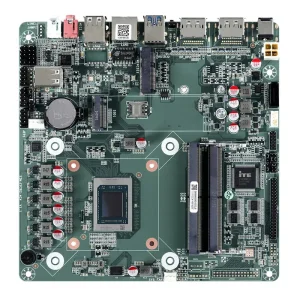
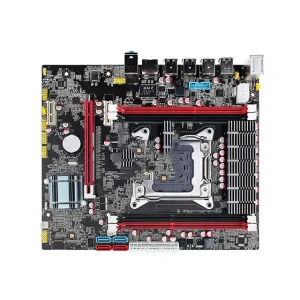
Shenzhen STHL is a premier, high-quality provider of Electronics Manufacturing Services (EMS) based in China. We serve a diverse, global clientele across the entire electronics lifecycle. Our capabilities span from initial PCB layout optimization and comprehensive component sourcing to precision PCB fabrication, SMT/THT assembly, cable assembly, box build integration, and rigorous functional testing.
Established in 2006, STHL brings nearly two decades of contract electronics manufacturing expertise to the table. Our state-of-the-art 10,000 square meter facility is staffed by over 220 highly trained professionals. Operating 7 automated SMT lines, 2 DIP/THT lines, 2 functional testing lines, and 2 dedicated box build assembly lines, we deliver scalability and quality in equal measure.
We serve critical sectors worldwide, including energy power, telecommunications, automotive, medical devices, consumer electronics, and industrial automation. Our global footprint covers key markets in the USA, Germany, Italy, the UK, Poland, New Zealand, Brazil, Turkey, and over 90 other countries.
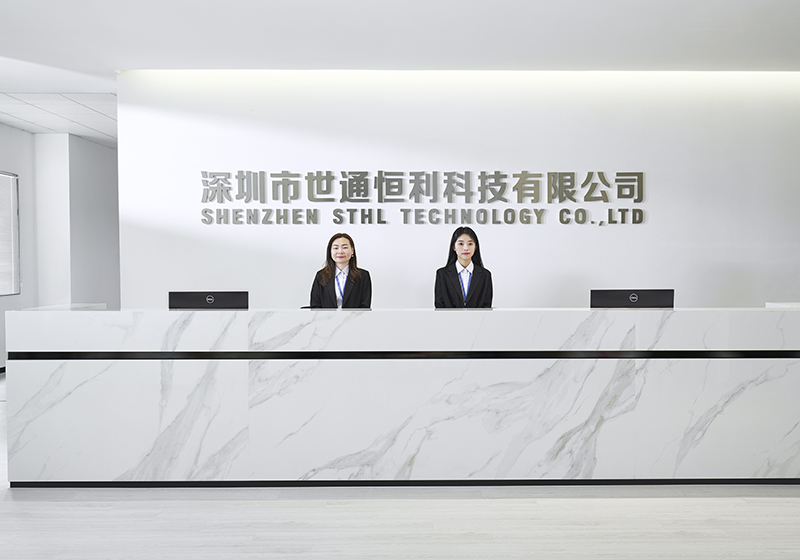
From ultra-fine pitch surface mount technology to robust through-hole connections, our production floor is engineered for precision and reliability.
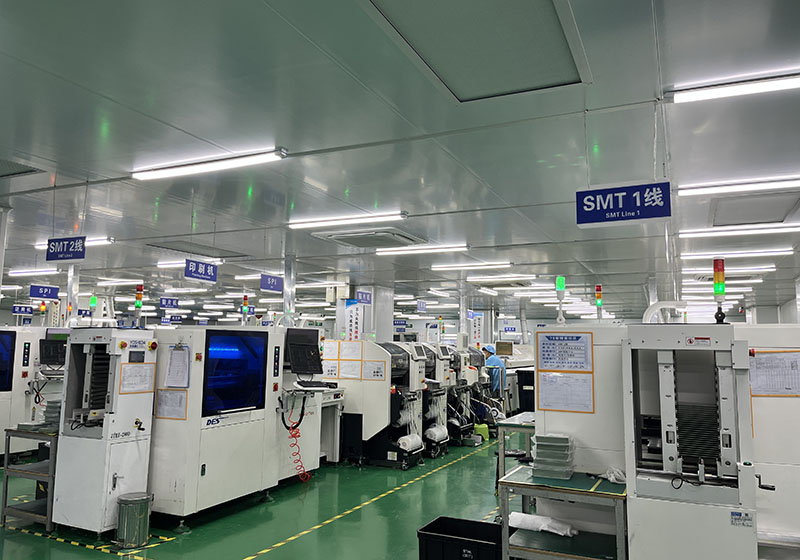
Modern electronic designs demand high density and extreme miniaturization. At STHL, we handle complex, fine-pitch components with absolute precision:
Every SMT run utilizes inline 3D solder paste inspection (SPI), automated optical inspection (AOI), and real-time process monitoring to guarantee flawless solder joint integrity.
For power electronics, industrial controllers, and aerospace applications, THT remains vital for mechanical strength and thermal durability. Our THT services include:
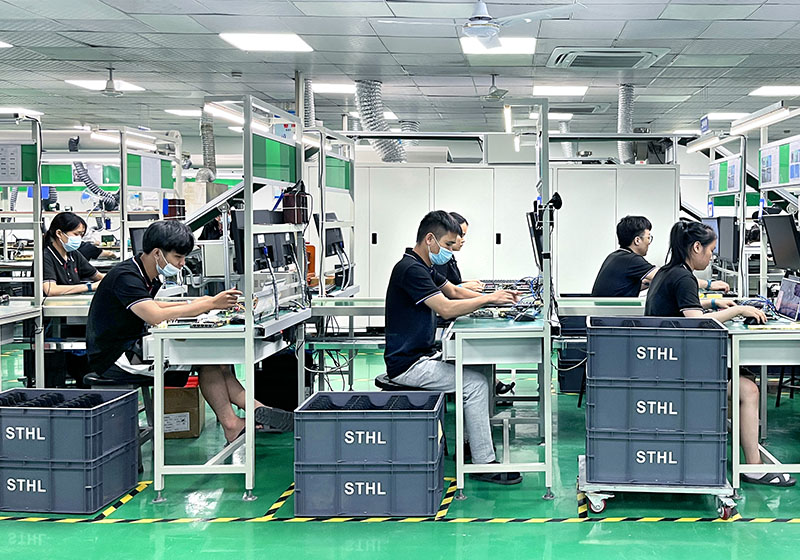
We provide a seamless transition from your design files to a fully tested, packaged, and ready-to-ship electronic product.
7 automated SMT lines and dedicated DIP lines handle prototype to high-volume production runs. We utilize lead-free, RoHS-compliant processes with advanced reflow and wave soldering equipment.
From simple single-sided boards to complex multi-layer rigid, flexible, and rigid-flex circuits. We support high-density interconnects (HDI), controlled impedance, and diverse surface finishes (ENIG, HASL, OSP).
Leveraging a robust global supply network to secure genuine, traceable electronic components. Our active supply chain management mitigates lead-time delays and counterfeit risks.
Custom wire harness and cable manufacturing, including connectors, shielding, overmolding, and heavy-duty strain reliefs for harsh industrial and automotive environments.
Full system integration services, including mechanical enclosure assembly, sub-assembly installation, routing, cabling, and final packaging for direct-to-market delivery.
Comprehensive testing suites including In-Circuit Testing (ICT), functional testing (FCT), environmental burn-in, and boundary scan to guarantee 100% operational reliability before shipment.
How global market shifts, supply chain diversification, and technological demands shape the modern PCB fabrication and assembly ecosystem.
The global electronics industry is undergoing a significant transformation. Driven by the rapid expansion of electric vehicles (EVs), renewable energy infrastructure, IoT ecosystems, and advanced medical devices, the demand for high-reliability PCBs has reached unprecedented levels. In this environment, an OEM PCB fabrication quote is no longer just a transactional price sheet; it is a strategic document that reflects engineering alignment, supply chain security, and compliance readiness.
OEMs worldwide are shifting away from fragmented sourcing models toward integrated EMS partnerships. By consolidating PCB fabrication, component procurement, and assembly under a single certified vendor, companies reduce time-to-market, eliminate communication gaps, and minimize quality risks. STHL addresses this market need by offering a unified workflow from Gerber files to fully tested box-build systems.
Furthermore, international regulatory landscapes have become more stringent. Compliance with standards such as RoHS, REACH, and conflict mineral reporting is mandatory for entering Western markets. At the same time, quality certifications like IATF 16949 for automotive electronics and ISO 13485 for medical devices are non-negotiable baselines. Our manufacturing processes are fully aligned with these global standards, ensuring that every board we ship meets the regulatory requirements of its destination market.
In terms of technology, high-density interconnect (HDI) designs, high-frequency laminates (such as Rogers or Teflon), and heavy copper boards for power distribution are becoming standard. This requires EMS providers to continuously invest in advanced equipment, including direct imaging (LDI), vacuum lamination, and automated optical inspection systems.
Tailoring PCB assembly and fabrication solutions to meet the specific environmental, regulatory, and technical demands of regional markets.
In the US and Canada, medical device OEMs require strict adherence to ISO 13485 standards, full component traceability, and long-term product lifecycle support. STHL provides comprehensive serialization and component tracking, ensuring that every active and passive component on an infusion pump or telemedicine board is fully documented and verifiable.
European markets demand strict compliance with RoHS/REACH environmental directives and high-reliability standards for automotive applications (IATF 16949). Our production lines utilize lead-free alloys and halogen-free laminates, delivering robust PCBA solutions for solar inverters, EV charging stations, and smart grid monitoring systems.
With the rapid deployment of 5G and smart city infrastructure across the Asia-Pacific region, OEMs require high-speed, high-frequency PCB fabrication and rapid prototyping. We support multi-layer RF designs, blind/buried vias, and high-speed SMT placement to meet the fast-paced development cycles of wireless communication devices.
Shenzhen remains the global epicenter of electronics manufacturing, offering an unparalleled ecosystem that combines speed, cost-efficiency, and technical capability. By partnering with STHL, global OEMs tap directly into this highly optimized supply chain network.
Our localized component sourcing team maintains direct relationships with authorized distributors and original component manufacturers. This proximity allows us to secure components quickly, verify authenticity, and mitigate the impact of global chip shortages. When a component is flagged with a long lead time, our engineering team can identify pin-to-pin compatible alternatives, present them for client approval, and keep production on schedule.
In addition, the concentration of raw material suppliers, PCB fabricators, and logistics hubs in the Pearl River Delta minimizes transit times and domestic shipping costs. This integrated ecosystem enables us to deliver rapid prototyping turnaround times—often within days—and transition smoothly into high-volume production without supply chain bottlenecks.
Anticipating the technological shifts in PCB design, materials, and manufacturing processes over the next decade.
As consumer electronics and wearable devices shrink, the industry is moving toward line/space widths below 30μm. STHL is upgrading its fabrication capabilities to support mSAP (modified Semi-Additive Process) and multi-layer HDI stackups with stacked copper-filled microvias.
The rollout of 5G Advanced and early 6G research requires PCBs that can handle extreme data rates with minimal signal loss. We are expanding our material library to include ultra-low loss laminates, PTFE substrates, and advanced copper foil treatments to ensure signal integrity at millimeter-wave frequencies.
Integrating AI-driven optical inspection (AOI) and automated X-ray inspection (AXI) into our production lines. Machine learning algorithms analyze solder joints in real-time, predicting potential defects before they occur and optimizing reflow oven temperature profiles dynamically.
Transitioning toward fully biodegradable substrates, halogen-free flame retardants, and low-temperature soldering alloys. Our goal is to minimize carbon footprints and support OEM sustainability initiatives through energy-efficient manufacturing processes.
Bridging the gap between offshore manufacturing and local engineering requirements through robust compliance and communication.
Our engineering team reviews every Gerber file and Bill of Materials (BOM) before production. By identifying potential manufacturing issues early (Design for Manufacturability) and planning test points (Design for Test), we prevent costly revisions and delays.
STHL maintains a robust quality management system certified to ISO 9001, ISO 14001, ISO 13485, and IATF 16949. This ensures our processes meet the strict quality standards required by automotive, medical, and industrial sectors worldwide.
We manage the entire export process, providing DDP, CIF, or FOB shipping terms. Our logistics team handles customs clearance, duty documentation, and secure packaging to ensure your products arrive safely and on time.
Get answers to common questions about our PCB fabrication quotes, assembly capabilities, and sourcing processes.
 STHL PCBA