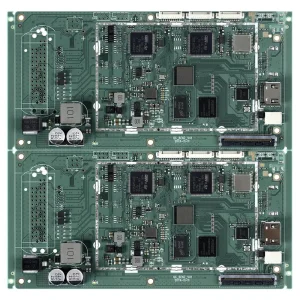
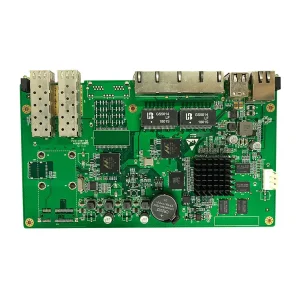
 STHL PCBA
1 / 1
Early challenges in Camera PCB adoption—such as weak image signal capture, severe electromagnetic interference (EMI), and poor electrical safety isolation in imaging and surveillance scenarios—have been overcome by specialized PCB assembly technologies, particularly rigid-flex PCBs and high-precision surface mount technology (SMT).
Significantly enhances sensitivity for capturing faint image signals, including optical sensor data, pixel information, and high-quality video transmission.
Integrates advanced electromagnetic interference shielding layers to eliminate noise from external electronic equipment, power supplies, and environments.
Balances ultra-compact form factors with highly reliable high-speed signal transmission, supporting miniaturized camera designs.
These innovations effectively enhance the sensitivity of analog front-ends for capturing faint image signals, while integrating EMI shielding layers to eliminate interference. This technological leap has enabled Camera PCB assemblies to outperform traditional camera circuits without compromising imaging quality and video stability.
Early challenges mainly revolved around weak image signal capture, severe electromagnetic interference (EMI), and poor electrical safety isolation in imaging and surveillance scenarios.
Rigid-flex PCBs balance compact form factors with reliable high-speed signal transmission. This supports the miniaturization of camera modules without compromising imaging quality and video stability.
By integrating specialized EMI shielding layers, the PCB assembly effectively eliminates interference coming from external electronic equipment, power supplies, and ambient environmental noise.
High-precision surface mount technology (SMT) is used to assemble dense, ultra-small components with exceptional accuracy, ensuring stable analog front-end performance for capturing faint image signals.
Yes. The combination of rigid-flex boards, high-precision SMT, and optimized low-noise paths supports reliable high-speed signal transmission for optical sensor data and continuous video signals.