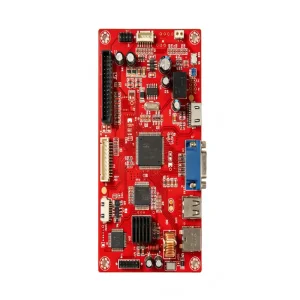
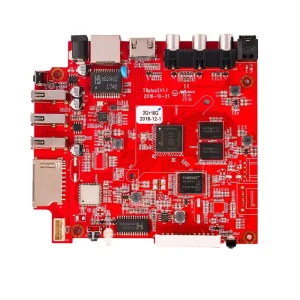
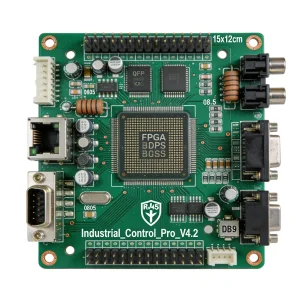
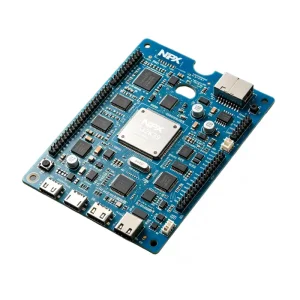
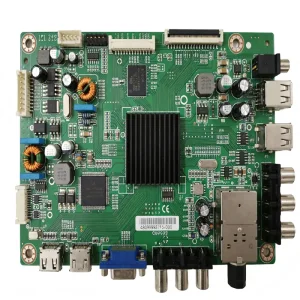
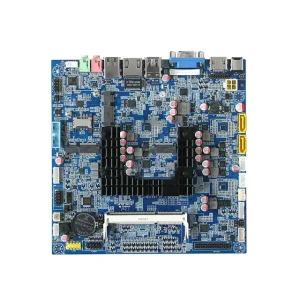
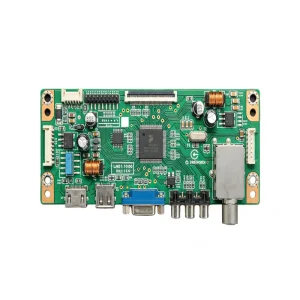
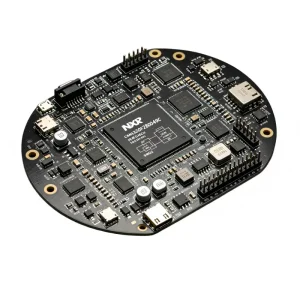
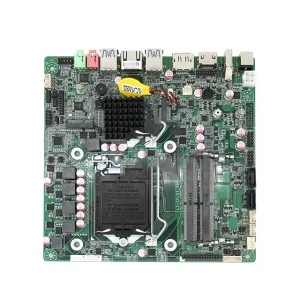
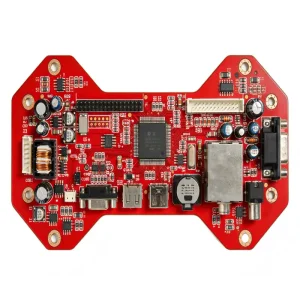
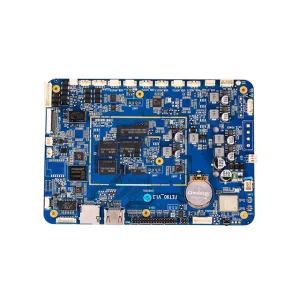
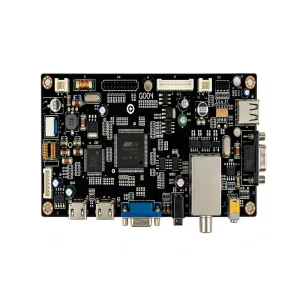
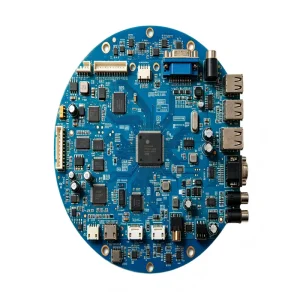
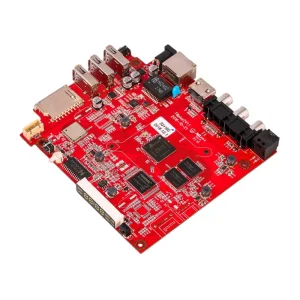
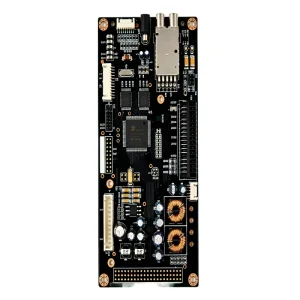
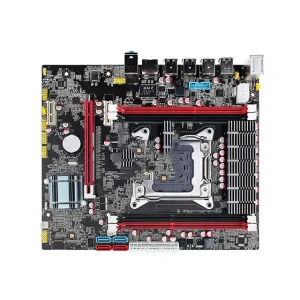
Premium OEM and contract-manufactured assemblies integrated with advanced resin protection systems for high-durability applications.
Analyzing the rising demand for environmental protection in high-performance electronics.
The global printed circuit board (PCB) protective coating market has transitioned from a specialized aerospace requirement to a critical mainstream technology across automotive EV powertrains, clean-energy grid management, smart medical implants, and ruggedized IoT sensor systems. As circuit designs continue to densify—incorporating fine-pitch BGAs, uBGAs, and tight component spacings—the risk of parasitic leakage currents, galvanic corrosion, dendrite growth, and thermal fatigue increases exponentially.
To counteract these challenges, PCB Resin Coatings (Conformal Coatings and Encapsulants) serve as a molecular-level barrier against harsh operating conditions. They shield copper traces, microchips, and solder terminals from moisture, saline mist, corrosive atmospheric gases, and sudden thermal mechanical stress. The modern OEM supplier landscape is no longer just selling a fluid chemical; they must engineer integrated materials-and-process solutions that balance dielectric performance, thermal dissipation, mechanical damping, and ecological compliance (such as RoHS and REACH).
In highly regulated markets like North America, Europe, and Asia-Pacific, structural shifts toward green energy, advanced robotics, and vehicle electrification are pushing manufacturers to optimize coating thicknesses. The precision application of modern acrylics, urethanes, silicones, and ultra-thin nano-resins has become the industry standard for securing long-term field reliability.
Choosing the correct polymer base is critical for balancing thermal, electrical, and mechanical performance requirements.
| Resin Coating Type | Dielectric Strength | Operating Temperature Range | Chemical Resistance | Typical Applications | Key Strengths & Drawbacks |
|---|---|---|---|---|---|
| Acrylic Resins (AR) | Excellent (~1500 V/mil) | -65°C to 125°C | Moderate (Soluble in solvents) | Consumer Electronics, Smart Appliances | Easy application and rework; poor chemical resistance. |
| Polyurethane Resins (UR) | Very High (>2000 V/mil) | -65°C to 125°C | Outstanding (Solvent-resistant) | Automotive, Industrial Controls, Outdoor Units | Excellent abrasion and chemical resistance; difficult to rework. |
| Silicone Resins (SR) | High (~1000 V/mil) | -65°C to 200°C | Good (Chemical, salt, UV) | Under-hood Automotive, Power Electronics | Excellent thermal stability and shock absorption; high cost. |
| Epoxy Resins (ER) - Potting | Exceptional | -40°C to 150°C | Extreme (Complete encapsulation) | Heavy Machinery, High-Voltage Transformers | Provides absolute physical protection; rigid, non-reworkable. |
| Parylene (XY) - Vapor Deposition | Extremely High | -200°C to 150°C | Superior (Inert) | Medical Implants, Deep Aerospace Instrumentation | Uniform pinhole-free coverage; complex and expensive deposition process. |
A premier electronics manufacturing services (EMS) provider in China, delivering robust hardware and protective coatings globally.
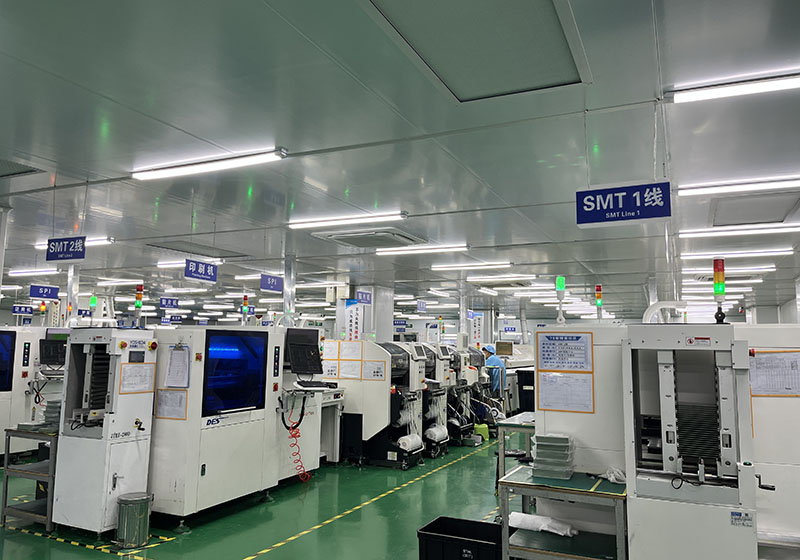
Established in 2006, Shenzhen STHL Technology Co., Ltd. is a specialized high-quality provider of electronics manufacturing services (EMS) based in China. Along the global electronic supply chain, STHL serves customers by providing end-to-end solutions, including PCB layout optimization, proactive component sourcing, high-precision PCB fabrication, complex PCBA assembly, specialized cable harness manufacturing, full box-build system integration, and rigorous testing protocols.
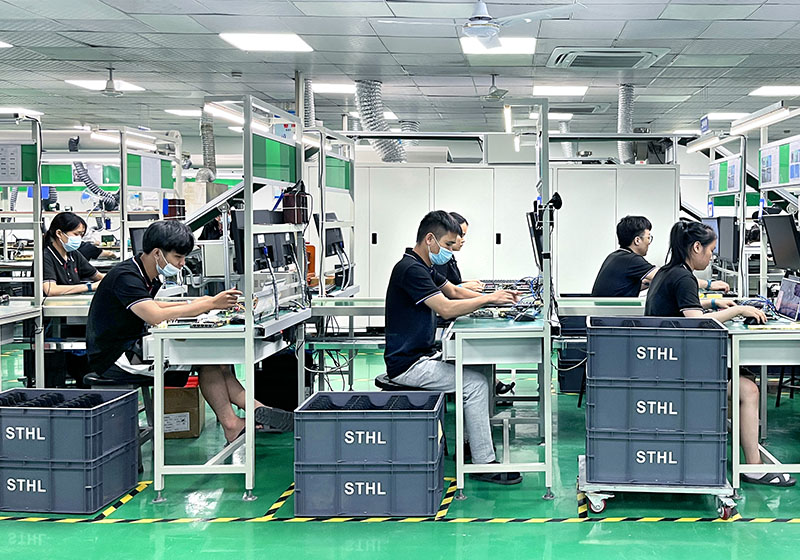
With 20 years of electronic contract assembly manufacturing experience, our state-of-the-art 10,000 sqm facilities house over 220 experienced staff members. Our operations are driven by 7 advanced automated SMT assembly lines, 2 DIP/THT insertion lines, 2 function testing (FCT) lines, and 2 dedicated box-build integration lines.
We work with international companies in energy power, medical devices, automotive systems, consumer electronics, telecom infrastructure, safety & security, and heavy industrial products. Our primary clients are located across the USA, Germany, Italy, UK, Poland, New Zealand, Argentina, Brazil, Turkey, Korea, Thailand, and 90 other regions around the world.
We handle complex component pitches and package styles, including fine-pitch Ball Grid Array (BGA), micro-BGA (uBGA), QFN, QFP, SOIC, and PLCC. Our facilities are also equipped for high-density Package-on-Package (PoP) assemblies. Quality is supported by advanced Automated Optical Inspection (AOI) and real-time 3D X-Ray inspection.
We maintain dedicated DIP processing lines configured for automatic and manual component insertions. By utilizing custom wave soldering fixtures, selective soldering systems, and strict electrostatic discharge (ESD) and lead-free RoHS-compliant assembly techniques, we ensure durable mechanical connections for heavy components.
STHL has implemented quality management systems certified to international industry standards, including IATF16949 (Automotive Quality Management), ISO13485 (Medical Devices Quality Management), ISO9001, and ISO14001. All assemblies comply with RoHS directives.
Many industrial and automotive control modules combine surface-mount and through-hole components. The interfaces where through-hole pins pass through the board are particularly vulnerable to vibration stresses, mechanical shocks, and moisture accumulation.
STHL addresses these weak points by combining precise DIP assembly with targeted conformal coating. Our automatic selective spray systems apply coating material at calculated thicknesses. This maintains protection on high-vibration pins and critical solder joints without contaminating keep-out areas such as connector contacts, test points, or RF antennas.
Before shipment, our assemblies undergo a series of testing procedures, including automated optical inspection, functional testing (FCT), inline ICT, and detailed coating thickness checks.
Evaluating upcoming technological changes and material developments in protective coatings.
To reduce volatile organic compounds (VOCs) and speed up manufacturing throughput, many operations are shifting from solvent-evaporated coatings to UV-led and moisture-cured acrylic systems. This helps lower emissions while reducing overall processing times.
For wearable devices and high-frequency RF systems where thickness and weight are tightly limited, nano-scale fluoropolymer coatings are becoming more common. These coatings provide hydro-oleophobic protection at thicknesses below 2 microns.
Integrating UV-visible indicators directly into the resin formula allows automated inspection systems to check for complete coating coverage and verify the thickness of the applied layer. This helps detect and eliminate coating defects like bubbles, runs, or voids.
From early-stage PCB prototyping to volume assembly, potting, functional testing, and box build integration.
STHL operates 7 automated PCB assembly lines to support prototype runs through to volume mass production. Precision high-speed placement machines handle fine-pitch components down to 01005 footprints, and our wave-soldering processes comply with lead-free RoHS standards.
Our PCB fabrication services produce high-durability boards ranging from simple single-sided designs to complex multilayer rigid-flex PCBs. We source quality materials (including FR4, Rogers, metal core, and polyimide) to meet demanding performance specifications.
STHL provides supply chain solutions through our global components sourcing network. We utilize relationships with certified, authorized component distributors to secure authentic parts, helping to mitigate issues with long lead times, obsolete components, or counterfeits.
We manufacture custom cable assemblies and complex wire harnesses. Our services cover various terminal configurations, insulation materials, and shielding designs to deliver reliable interconnect solutions for rugged industrial environments.
We provide full box-build system integration, assembling your PCBA into its final custom metal or plastic enclosure. Our team handles internal routing, mechanical assembly, and post-assembly functional validation testing prior to shipping.
STHL conducts functional testing (FCT) to verify final product performance. By checking parameters against customer specifications, we detect assembly faults or component anomalies, helping to ensure only stable and fully qualified systems are shipped.
How STHL protective coatings are configured for demanding applications.
Modern autopilot modules and battery monitoring systems (BMS) are exposed to constant vibration and wide temperature swings. We utilize high-grade silicone or polyurethane conformal coatings to seal these assemblies. This helps prevent moisture ingress, reduces thermal mechanical strain, and protects fine-pitch components from short circuits caused by road debris or salt water.
Medical electronics require high reliability and must remain operational when exposed to cleaning solutions, humidity, or biological fluids. Under ISO13485 standards, we apply biocompatible coatings to assemblies for ventilators and monitoring systems, providing reliable protection without compromising sensor accuracy.
High-voltage battery storage systems and industrial control grids require durable insulation to prevent electrical arcing and withstand chemical exposure. We apply thick polyurethane coatings and specialized epoxy potting compounds to provide mechanical support, high dielectric insulation, and protection against chemical environments.
Technical guidance and answers to common questions about selecting and applying protective resins.
Explore our range of custom assemblies, controllers, and smart system boards engineered for global markets.
 STHL PCBA