 STHL PCBA
1 / 1
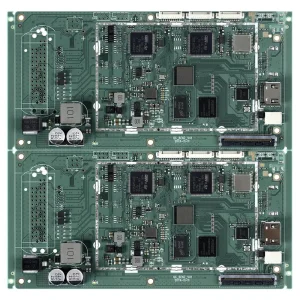
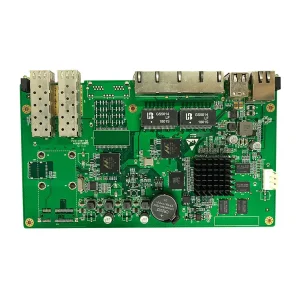
Early challenges in Smart Light Strip PCBA adoption—such as weak signal capture, electromagnetic interference (EMI), and poor electrical safety isolation—have been overcome by specialized PCB assembly technologies, particularly rigid-flex PCBs and high-precision surface mount technology (SMT). These innovations effectively enhance the sensitivity of analog front-ends for capturing faint control, dimming and color-changing signals, while integrating EMI shielding layers to eliminate interference from external electronic equipment. Rigid-flex PCBs, in particular, balance flexible form factors with reliable signal transmission, supporting the bendability and miniaturization of smart light strip devices without compromising performance. This technological leap has enabled Smart Light Strip PCBA assemblies to outperform traditional light strip circuits in key areas:
Enhanced sensitivity of analog front-ends designed to capture faint control, dimming, and color-changing signals with high precision.
Integrated multi-layer EMI shielding designed to eliminate external noise and interference while securing strong electrical safety isolation.
Balances flexible form factors with reliable signal transmission to support the extreme bendability and miniaturization of modern light strip designs.
Early smart light strip designs faced critical issues such as weak signal capture, electromagnetic interference (EMI) from surrounding devices, and insufficient electrical safety isolation.
Rigid-flex PCBs allow the system to balance flexible form factors with reliable signal transmission. This supports device miniaturization and allows the light strips to bend without affecting overall performance.
High-precision Surface Mount Technology (SMT) is used to assemble dense components onto the PCB with high reliability, securing robust electrical connections and facilitating compact, advanced layouts.
It is resolved through the integration of specialized EMI shielding layers directly within the PCB layout, effectively blocking external noise and interference from other electronic equipment.
Yes. Thanks to specialized PCB assembly technologies, the sensitivity of the analog front-end is greatly enhanced to consistently capture even faint dimming, control, and color-changing signals.