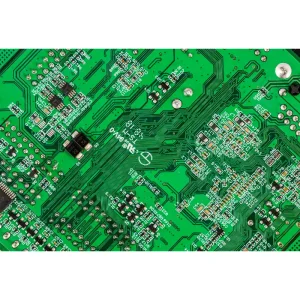
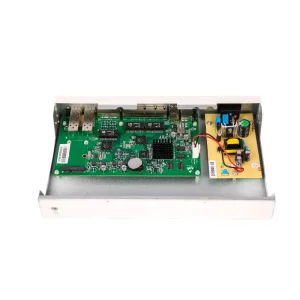
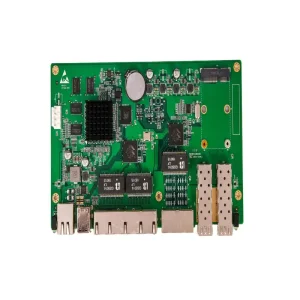
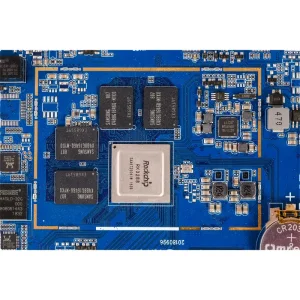
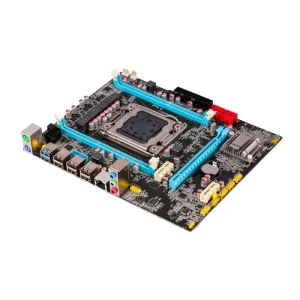
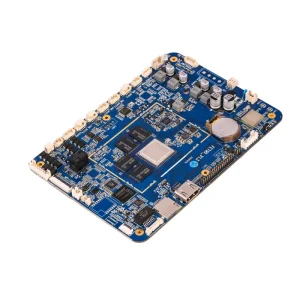
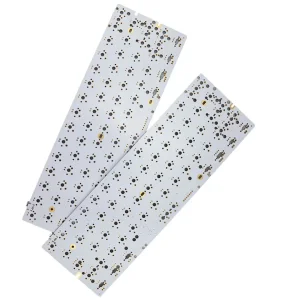
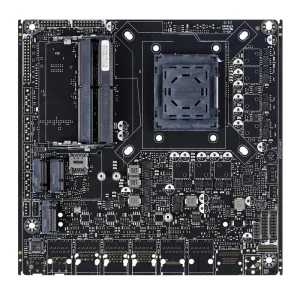
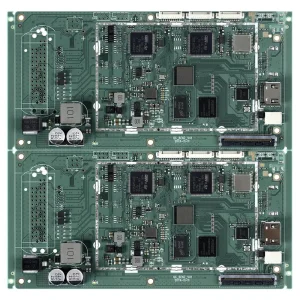
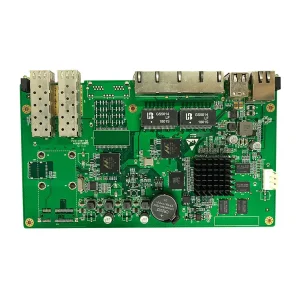
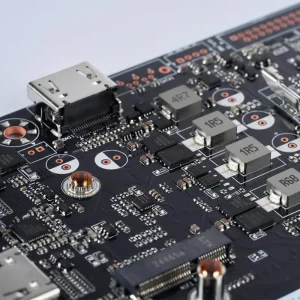
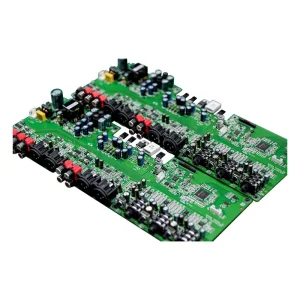
High-performance printed circuit board assembly solutions tailored to meet rigorous Australian industrial and environmental standards.
Australia's industrial sectors are undergoing a significant technological transformation. In resource extraction, defense technology, medical devices, and renewable energy grids, high-precision Printed Circuit Board Assembly (PCBA) forms the backbone of these innovations. In contrast to consumer electronics markets defined by high volumes and short cycles, Australia's industrial demands favor High-Mix, Low-to-Medium Volume (HMLV) configurations. Here, quality, longevity, and resistance to environmental stress are critical considerations.
Key industrial hubs in Victoria, New South Wales, and Queensland are focusing heavily on localized design combined with smart, scalable manufacturing solutions. Electronics systems designed for the Australian outback must endure extreme conditions: high thermal fluctuation, significant mechanical vibrations from mining machinery, and exposure to dust and moisture. Consequently, select PCBA designs require advanced processes such as selective conformal coating, potting, and specialized thermal management to prevent premature field failures.
To support high reliability in demanding environments, Australian OEMs (Original Equipment Manufacturers) leverage advanced PCB stack-ups and surface mount technologies. Key technology milestones include:
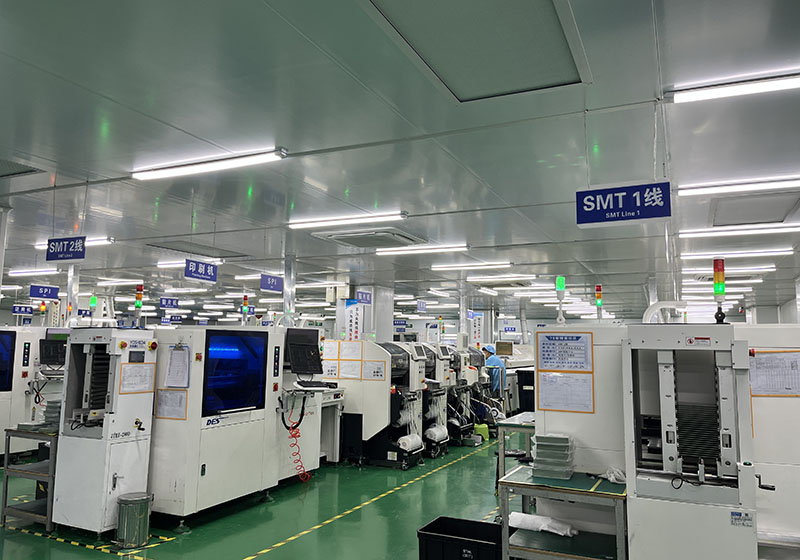
STHL maintains a focus on high-precision SMT (Surface Mount Technology) processes capable of handling fine-pitch components down to 0.3mm. Our production facility is optimized for complex designs, offering:
Providing reliable Electronics Manufacturing Services (EMS) globally since 2006, from design layout through to comprehensive box-build assembly.
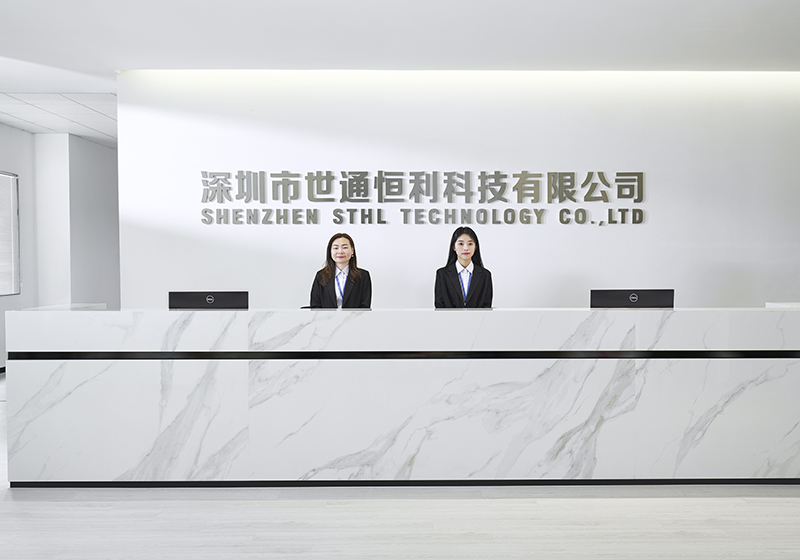
Shenzhen STHL is a quality-focused provider of electronics contract manufacturing services (EMS) based in China. We support clients globally across the entire lifecycle, encompassing PCB layout, components sourcing, PCB fabrication, PCBA assembly, cable assembly, box-build assembly, and final functional testing.
Our quality management systems are certified to IATF 16949 (Automotive Quality Management), ISO 13485 (Medical Devices Quality Management), ISO 9001, and ISO 14001. All manufactured items comply with the RoHS directive to support green initiatives and meet global environmental standards.
For industrial-grade designs such as high-power supplies and marine instrumentation, Through-Hole Technology remains a critical assembly methodology due to its mechanical strength. STHL supports complete THT capabilities, including:
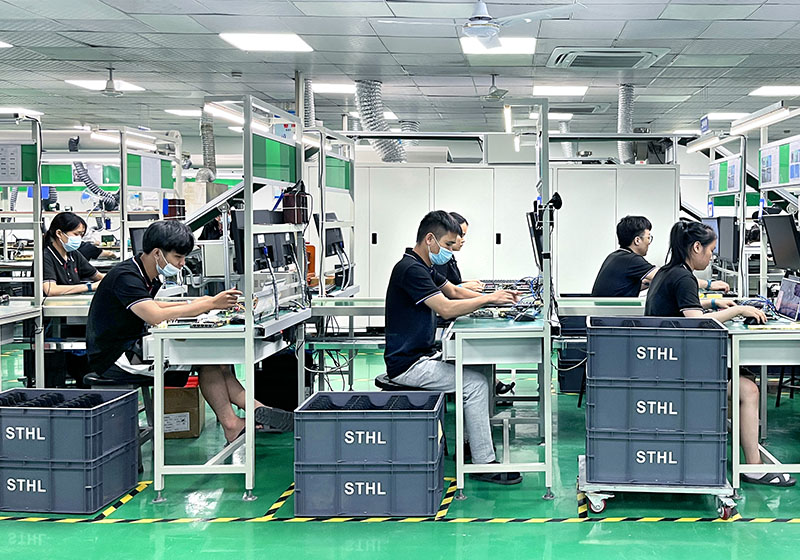
From bare board production to final packaging, we support every step of the EMS pipeline.
STHL operates 7 automated SMT lines and 2 DIP/THT lines, catering to high-precision prototypes and high-volume mass production. Precise pick-and-place systems ensure consistent alignment for fine-pitch BGAs.
Our fabrication services produce high-density multi-layer boards, flexible circuits, and rigid-flex designs. We utilize premium substrates to ensure reliability across changing thermal environments.
We source authentic components through a vetted network of global distributors. This approach reduces procurement cycle times while safeguarding against counterfeit components.
We provide custom wire harnessing and cable assembly services using quality connectors and shielding. This ensures high-integrity signal and power transmission for industrial applications.
Our services include full product integration, combining PCBAs, internal cabling, and mechanical enclosures. This delivers a complete, packaged product ready for end-user deployment.
We execute functional tests, ICT (In-Circuit Testing), and thermal burn-in cycles to identify and resolve defects before shipment, ensuring high reliability in the field.
Deploying electronic hardware in Australia requires compliance with local regulatory frameworks. Foremost among these is the Regulatory Compliance Mark (RCM), which consolidates electrical safety and Electromagnetic Compatibility (EMC) requirements. As an experienced EMS partner, STHL works to support these standards during both the component sourcing and assembly phases.
Key standards we support include:
Through systematic Design for Manufacturing (DFM) and Design for Testing (DFT) reviews, we identify potential compliance challenges early in the design cycle, helping clients minimize the need for costly layout revisions.
| Compliance / Standard | Australian Requirement | STHL Implementation & Guarantee |
|---|---|---|
| RCM (EMC & Safety) | Mandatory for electrical equipment commercialized in Australia. | Component verification, impedance control, and shielding evaluation to pass compliance testing. |
| ISO 13485 | Required for medical-grade devices under the TGA (Therapeutic Goods Administration). | Certified medical assembly cleanrooms, component traceability, and comprehensive visual and X-Ray inspections. |
| IATF 16949 | Crucial for automotive telemetry, vehicle tracking, and heavy transport machinery. | Strict process control audits, advanced risk assessment (PPAP/FMEA), and robust validation testing. |
| RoHS Directive | Aligned with green building policies and sustainable import guidelines. | Dedicated lead-free soldering lines (SMT/THT) to prevent cross-contamination. |
Global supply chain logistics require careful management, particularly given the geographical distance between Australian technology centers and core manufacturing hubs. Outsourcing PCBA assembly to a China-based EMS partner offers a balance of cost efficiency, access to key component suppliers, and production scalability.
Through our Factory 4.0 modernization process, STHL integrates automated material management with real-time tracking systems. Our component sourcing engine coordinates with global semiconductor distributors to help manage lead times and avoid counterfeit risks. For Australian partners, this setup translates to shorter development cycles, cost-effective tooling, and the flexibility to transition projects from initial low-volume prototypes to mass production.
When comparing localized Australian onshore assembly with our offshore EMS capabilities, the primary differences lie in scaling speed and material procurement costs. STHL addresses this through:
Discover our broad range of specialized PCB assembly capabilities, designed for reliable operation across diverse industries.
Clear explanations of our capabilities, logistics solutions, and processes tailored for the Australian market.
Optimize your hardware design with DFM feedback and competitive manufacturing estimates from STHL. Contact our team to begin your project review.
Send Inquiry Now STHL PCBA