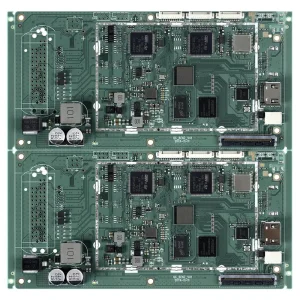
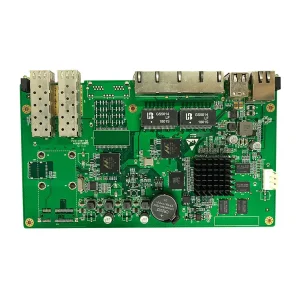
 STHL PCBA
1 / 4
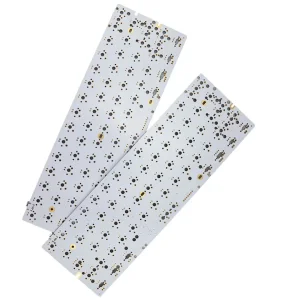
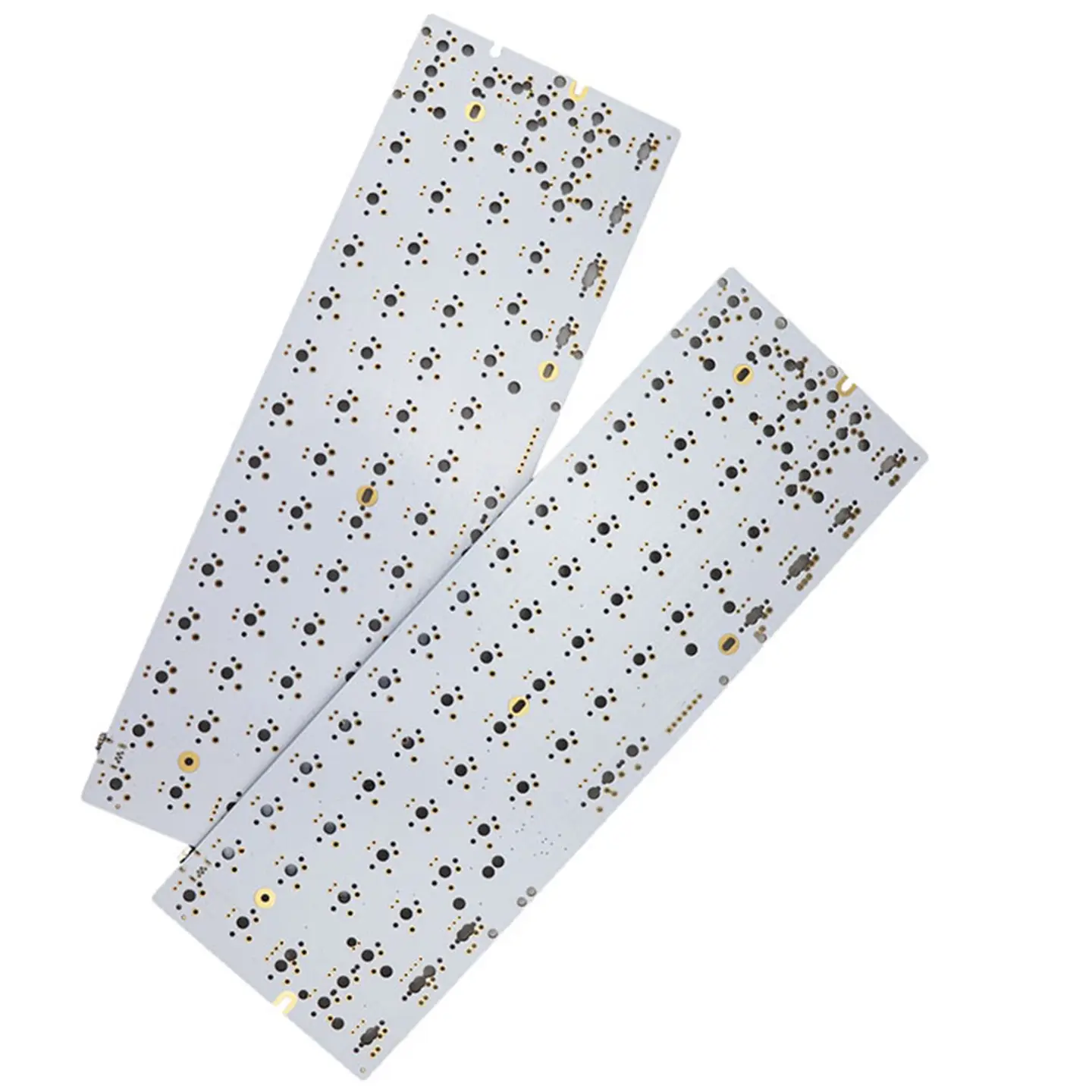
Early challenges in LED adoption—such as heat dissipation and component longevity—have been overcome by metal-core PCBs (MCPCBs), particularly those using aluminum and copper substrates. These materials efficiently channel heat away from high-power LEDs, eliminating the need for bulky heat sinks while ensuring operational stability.
Aluminum PCBs, in particular, balance cost-effectiveness with high thermal conductivity (up to 200 W/mK), making them ideal for most lighting applications. This technological leap has enabled LED PCBs to outperform traditional lighting in key areas.
The primary early challenges in LED adoption were related to heat dissipation and component longevity.
They have been overcome by using metal-core PCBs (MCPCBs), particularly those utilizing aluminum and copper substrates that efficiently channel heat away from high-power LEDs.
Aluminum PCBs offer a perfect balance of cost-effectiveness and high thermal conductivity (up to 200 W/mK), which makes them highly suitable for standard lighting applications.
Yes, by efficiently transferring heat away from high-power LEDs, MCPCBs maintain operational stability without requiring large, bulky external heat sinks.
Modern LED PCB assembly delivers superior thermal management and structural stability, allowing LED systems to significantly outperform traditional lighting solutions.