Featured electronics manufacturing services optimized for smart grid, remote monitoring, and automated manufacturing systems.
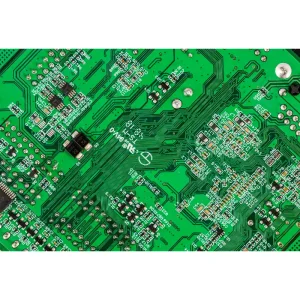
High-mix low-volume precision board assembly designed to meet rigorous American factory automation and control parameters.
Learn More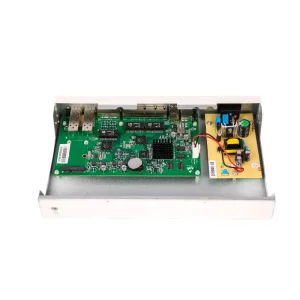
Advanced imaging control electronics with optimized thermal management to withstand harsh environmental exposures.
Learn More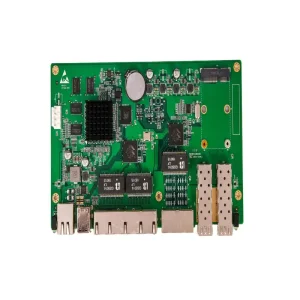
Multi-channel signal processing and local storage processing units, built to IPC Class 2 and Class 3 reliability standards.
Learn More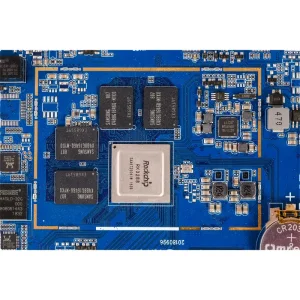
Ultra-dense layout capabilities including micro-BGA placement, impedance matching, and high-frequency thermal dissipation.
Learn MoreYears of EMS Excellence
Automotive Quality Certified
Modern Shenzhen Facility
Electronic Professionals
An in-depth look at how onshoring, regional demands, and global manufacturing synergies shape the US PCBA market.
The United States electronics manufacturing market has experienced a significant paradigm shift over the past decade. Driven by initiatives like the CHIPS and Science Act and an industry-wide call for supply chain resilience, there is a strong demand for domestic design control and local prototyping. However, high-volume production and complex electronic assembly services still face challenges with domestic labor costs and component lead times inside the United States.
To balance speed, regulatory compliance, and economic feasibility, US Original Equipment Manufacturers (OEMs) rely on a hybrid strategy. Under this model, initial system architecture and intellectual property development remain within the US, while high-yield, component-heavy fabrication, SMT (Surface Mount Technology), and system-level test tasks are delegated to certified global EMS partners like Shenzhen STHL.
"True engineering excellence is defined by the ability to translate design files (Gerber, ODB++, Bill of Materials) into functional, reliable, and compliant physical hardware. For critical infrastructure, defense, automotive, and medical fields in the United States, adhering strictly to IPC-A-610 Class 3 workmanship and IATF 16949 quality controls is non-negotiable."
In the global ecosystem, the US market is the primary driver of complex PCB designs. Whether it is IoT gateway controllers for smart homes in California, medical imaging boards for healthcare systems in Boston, or aerospace communication transceivers for Texas defense sectors, the requirements are identical: ultra-precision, high-speed routing, and extreme reliability under thermal stresses. However, global component shortages and tariff configurations require EMS partners to have deep, direct supply chain relationships with global franchises. By utilizing automated sourcing pipelines and localized component networks in Asia's largest electronics centers, manufacturers can source authentic parts at competitive costs while preventing counterfeit components from entering the manufacturing line.
Precision-engineered circuit assemblies for complex data transmission networks and critical environments.
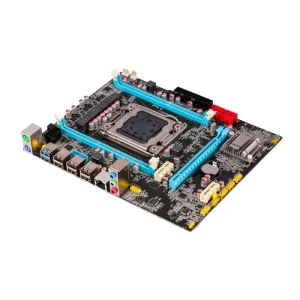
Optimized for high-speed signal integrity and low impedance, supporting next-generation Wi-Fi and enterprise telecom systems.
Learn More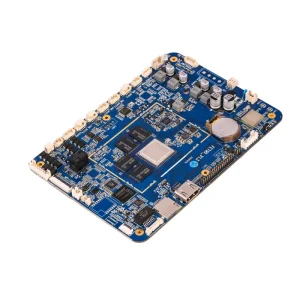
Smart video processing boards designed to support real-time edge processing and high-definition multi-channel video data streams.
Learn More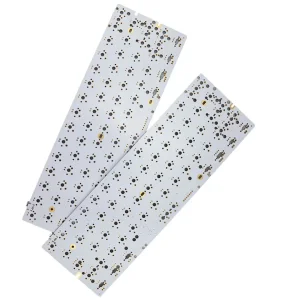
Metal core PCB (MCPCB) thermal dissipation layouts optimized for long lifespans in commercial and industrial lighting.
Learn More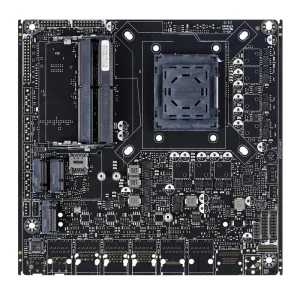
IPC-A-610 Class 3 compliant design featuring conformal coatings to protect components against vibration, shock, and extreme thermal cycling.
Learn MoreAddressing the challenges of high-density integration, thermal management, and advanced component mounting technologies.
As microcontrollers, FPGAs, and ASICs scale down to smaller footprints, the demand for High-Density Interconnect (HDI) boards rises. STHL specializes in:
With EV charging stations and solar microinverters scaling up in the US, high-voltage and high-current PCBAs require:
Industrial IoT applications call for multi-sensor configurations operating 24/7. Achieving this requires:
The ongoing trend in electronic manufacturing services (EMS) is the integration of artificial intelligence (AI) on the production floor. By utilizing machine learning algorithms in the AOI (Automated Optical Inspection) systems, we can reduce false failure calls while capturing minor solder bridging, tombstones, and alignment errors. Additionally, real-time feedback loops from the reflow ovens directly communicate with SMT stencil printers to adjust solder paste application volume, minimizing manufacturing defects in production runs.
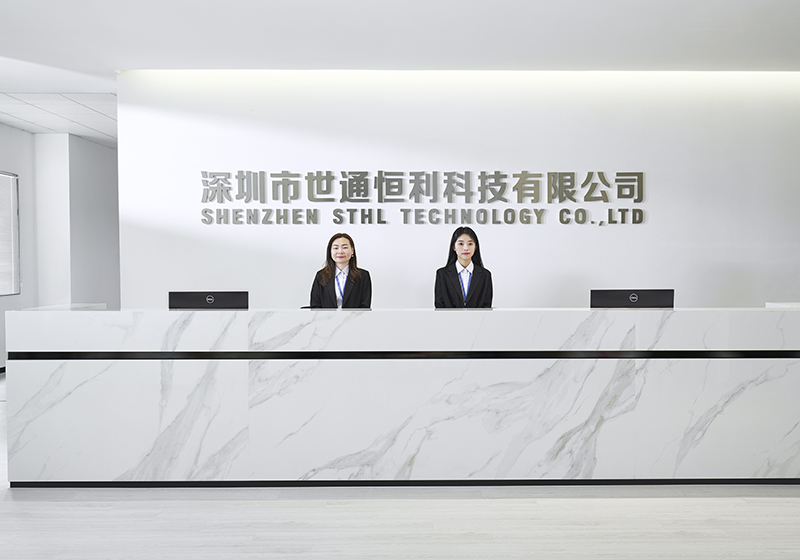
Shenzhen STHL is a provider of electronics manufacturing services (EMS) in China, serving customers worldwide along the entire industry chain, including PCB layout, components sourcing, PCB fabrication, PCBA assembly, cable assembly, box build assembly, and comprehensive testing services.
Established in 2006, STHL brings 20 years of experience in electronics contract assembly manufacturing. Currently, STHL has over 220 staff members. Our 10,000 sqm facilities house 7 SMT assembly lines, 2 DIP/THT lines, 2 functional testing lines, and 2 finished device box-build assembly lines.
At STHL, we provide electronics assembly services for energy power, communications, automotive, medical, consumer electronics, computers & storage, safety & security, and commercial and industrial applications. Our customer base spans the USA, Germany, Italy, UK, Poland, New Zealand, Argentina, Brazil, Turkey, Korea, Thailand, and 90 other regions globally.
As an IATF16949, ISO9001, ISO14001, and ISO13485 certified electronics assembly manufacturer, we produce products in strict compliance with RoHS and REACH standards. Supported by our engineering team and cleanroom facilities, we specialize in advanced material analysis, reliability testing (AOI, X-RAY, ICT, and functional testing), and high-speed SMT/THT assembly.
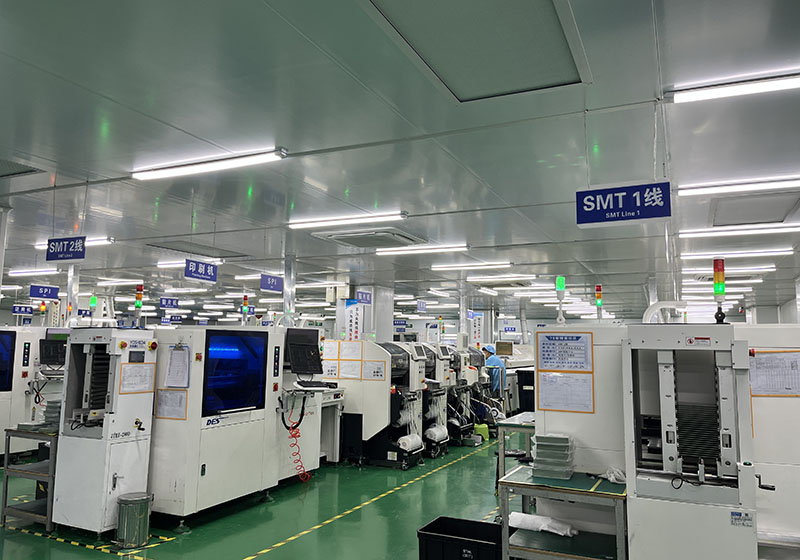
Modern electronic assemblies rely heavily on surface-mount technology to pack complex functions into increasingly small form factors. We handle a wide range of advanced components, including:
Our commitment to quality is reinforced by verification stages. Every production batch undergoes automated optical inspection (AOI) and 3D X-ray inspection to detect hidden defects like micro-voids, bridge shorts, or cold solder joints.
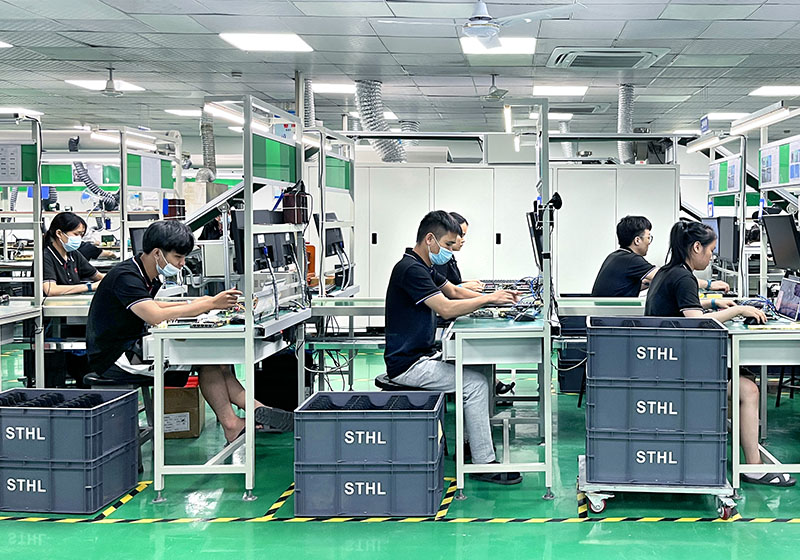
For assemblies subjected to physical stress, high currents, or extreme environments, Through-Hole Technology (THT) remains indispensable. STHL provides comprehensive THT services including:
End-to-end engineering support from raw printed circuit board fabrication to finalized product packaging.
STHL operates 7 automated PCB assembly lines for prototype and mass production. SMT systems ensure precise component placement, while skilled technicians handle THT assembly and lead-free wave soldering.
STHL PCB fabrication services cover simple single-sided boards, complex multi-layer designs, and flexible or rigid-flex configurations. We use quality substrates to match your mechanical and thermal specifications.
We provide global electronic component sourcing and supply chain management. Our distributor network secures genuine parts, mitigating lead times and risks of counterfeit components.
We manufacture custom cable assembly components, including connectors, shielding, and strain reliefs, supporting custom wire harnesses across a range of industrial applications.
From PCBA installation to full enclosure integration, routing, and packaging, our box-build service delivers completed, retail-ready products directly to your distribution networks.
STHL conducts functional testing to verify operational performance. We test circuits, load firmware, and verify key parameters to help prevent assembly defects from reaching the field.
A comprehensive showcase of assemblies designed for automotive, medical, telecommunication, and renewable energy sectors.
Compact smart appliance control boards featuring low power consumption and reliable Wi-Fi, Bluetooth, and ZigBee configurations.
Learn More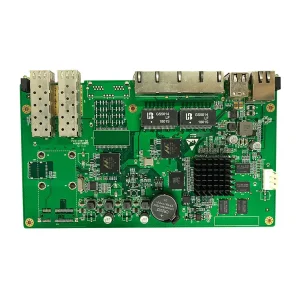
High-reliability circuits built for fire detection, access control panels, and emergency notification systems.
Learn More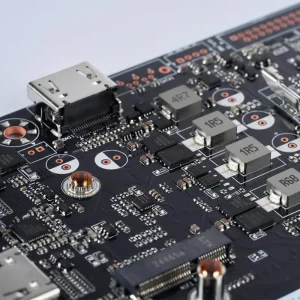
Complex high-frequency substrate assemblies featuring impedance-controlled routing for cellular and fiber systems.
Learn More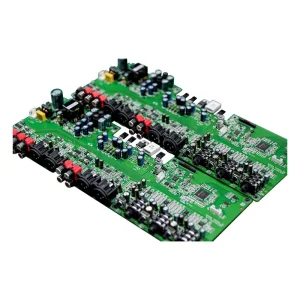
AC-DC converters and power distribution boards designed for reliable energy management in server farms and telecommunications hubs.
Learn More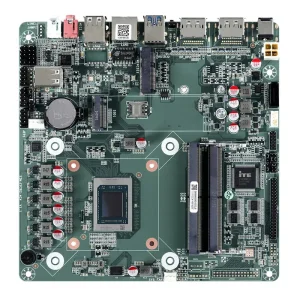
Robust Battery Management System (BMS) controllers and power converters engineered for photovoltaic grids and industrial storage units.
Learn More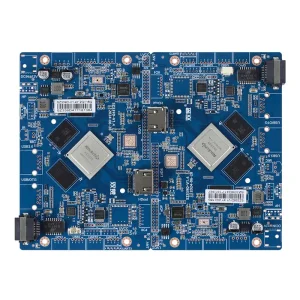
Cost-effective, high-throughput manufacturing for smart devices, wearable technology, and domestic appliances.
Learn More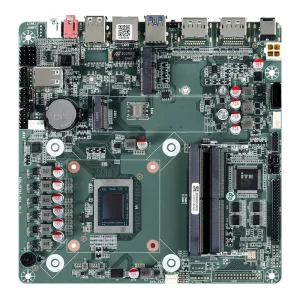
ISO 13485 compliant board assembly built under cleanroom protocols, supporting patient monitoring systems, scanners, and active implants.
Learn More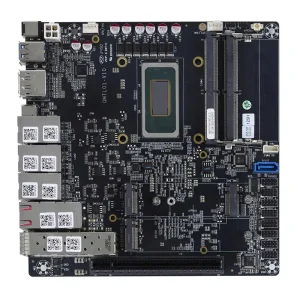
Heavy copper, double-sided, and multi-layer board solutions designed for driver assistance systems and engine control components.
Learn MoreTechnical guidance on standard practices, quality regulations, and global logistical collaborations.
IPC-A-610 Class 2 governs general commercial service electronics, allowing minor cosmetic issues and slightly lower solder fill requirements, provided they do not affect electrical functionality. IPC Class 3 covers high-reliability electronic products, such as those used in aerospace, medical devices, and military systems. In Class 3, there is zero tolerance for manufacturing defects, requiring a minimum of 75% barrel fill on through-hole pins and strict criteria for component placement and solder voids.
For most electronic devices exported to the US market, FCC compliance is necessary to control electromagnetic interference. For consumer and commercial goods, UL/ETL safety certifications are typically requested by retailers and insurers. At the factory level, manufacturers must maintain ISO 9001 certification. For automotive applications, IATF 16949 certification is required, while medical devices depend on ISO 13485-certified assembly lines.
Our component sourcing team uses direct linkages with authorized global distributors (such as Arrow, Avnet, and DigiKey) alongside local sourcing partnerships in Shenzhen. This lets us monitor component lifecycle status in real time. If a part faces obsolescence or long lead times, we recommend drop-in replacements or cross-referenced components. Our engineering team can also suggest slight layout modifications to accommodate available component package footprints.
Components like BGAs and QFNs have their solder connections hidden directly underneath the package. Standard Automated Optical Inspection (AOI) can only inspect peripheral solder joints. 3D X-Ray inspection passes X-rays through the assembly to generate images of the hidden joints. This allows technicians to identify issues like internal voids, solder balls, bridging, or insufficient wetting without damaging the board.
To prepare an accurate quote, we require: (1) Complete Gerber files (preferably RS-274X format or ODB++) including IPC-D-356 netlists. (2) A detailed Bill of Materials (BOM) in Excel format containing manufacturer names, part numbers, descriptions, footprints, and reference designators. (3) Centroid (Pick-and-Place) files indicating part centers and rotations. (4) Workmanship standards and test guidelines (FCT specifications, if functional verification is needed).
 STHL PCBA