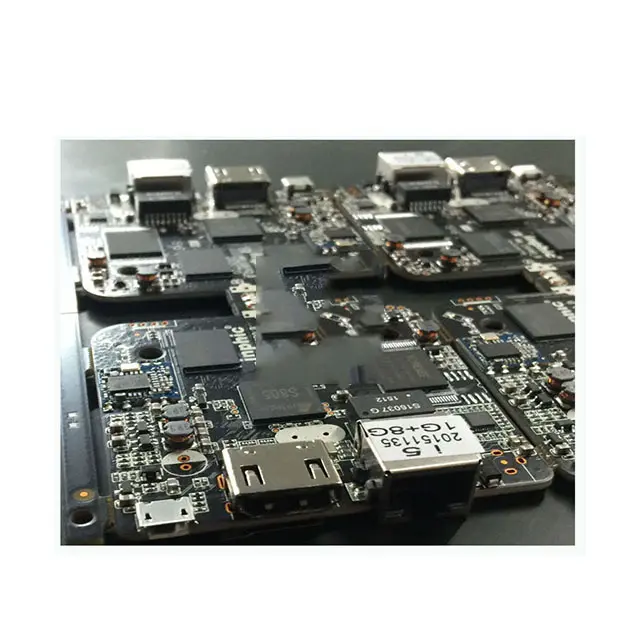
China Air Data Inertial Reference Unit (ADIRU) PCBA Assembly--STHL Manufacturer, Service

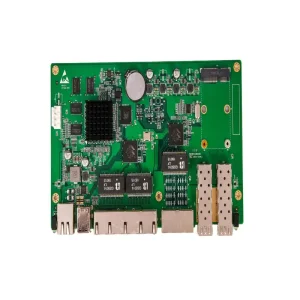
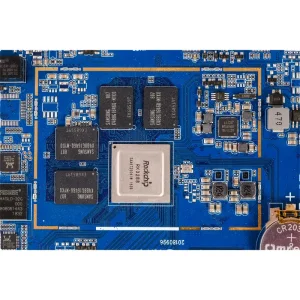
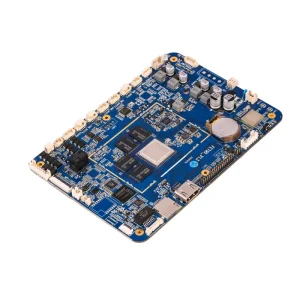
Air Data Inertial Reference Unit (ADIRU) PCBA is the core of the integrated air data inertial reference system (ADIRS), combining air data reference (ADR) and inertial reference (IR) circuits in one unit. It provides accurate air data (airspeed, angle of attack, altitude) and inertial reference data (position, attitude) to cockpit displays, flight control systems, and other avionics equipment. The PCBA adopts ring laser gyroscope technology and high-precision accelerometers for stable data collection, with fault-tolerant redundant design to ensure reliability. Using industrial-grade components and strict waterproof testing, it withstands harsh aviation environments, with our 10,000-square-meter base supporting mass production for civil and military aircraft.

Product Description

Air Data Inertial Reference Unit (ADIRU) PCBA Assembly

Early challenges in Air Data Inertial Reference Unit (ADIRU) PCBA adoption—such as weak air-inertial signal capture, intense electromagnetic interference (EMI), and poor data synchronization isolation in aviation environments—have been overcome by specialized PCB assembly technologies, particularly rigid-flex PCBs and high-precision surface mount technology (SMT).

Faint Signal Capture

These innovations effectively enhance the sensitivity of analog front-ends for capturing faint air data and inertial signals (airspeed, altitude, attitude, acceleration, angular rate).

EMI Shielding

Integrating high-performance EMI shielding layers to eliminate interference from aircraft avionics, engines, and external electromagnetic disturbances.

Rigid-Flex Design

Rigid-flex PCBs balance compact form factors with reliable high-speed signal transmission, supporting the miniaturization and integration of ADIRU devices without compromising data accuracy and synchronization efficiency.
This technological leap has enabled Air Data Inertial Reference Unit (ADIRU) PCBA assemblies to outperform traditional air-inertial reference circuits in key areas.

Frequently Asked Questions

What were the early challenges in adopting ADIRU PCBA?
The early challenges primarily included weak air-inertial signal capture, intense electromagnetic interference (EMI), and poor data synchronization isolation within demanding aviation environments.
How does high-precision SMT technology improve ADIRU performance?
High-precision SMT technology, combined with specialized PCB assembly processes, enhances the sensitivity of the analog front-ends, allowing they to capture faint parameters such as airspeed, altitude, attitude, acceleration, and angular rate.
What role do rigid-flex PCBs play in ADIRU PCBA assemblies?
Rigid-flex PCBs provide a crucial balance between compact, space-saving layouts and reliable high-speed signal transmission. This enables miniaturization and system integration without degrading data precision or synchronization.
How is electromagnetic interference (EMI) mitigated?
EMI is eliminated by integrating high-performance shielding layers directly into the PCB design, which blocks disturbances originating from aircraft avionics, engines, and other external systems.
How do ADIRU PCBA assemblies compare to traditional air-inertial reference circuits?
Thanks to modern SMT and rigid-flex technologies, ADIRU PCBA assemblies offer far superior signal sensitivity, better EMI protection, and higher data synchronization efficiency compared to traditional circuits.

Related Products