 STHL PCBA
1 / 1
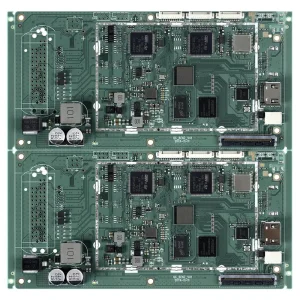
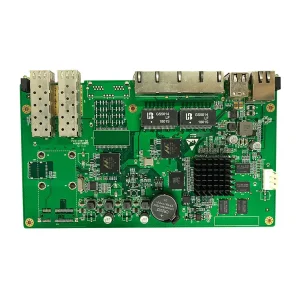
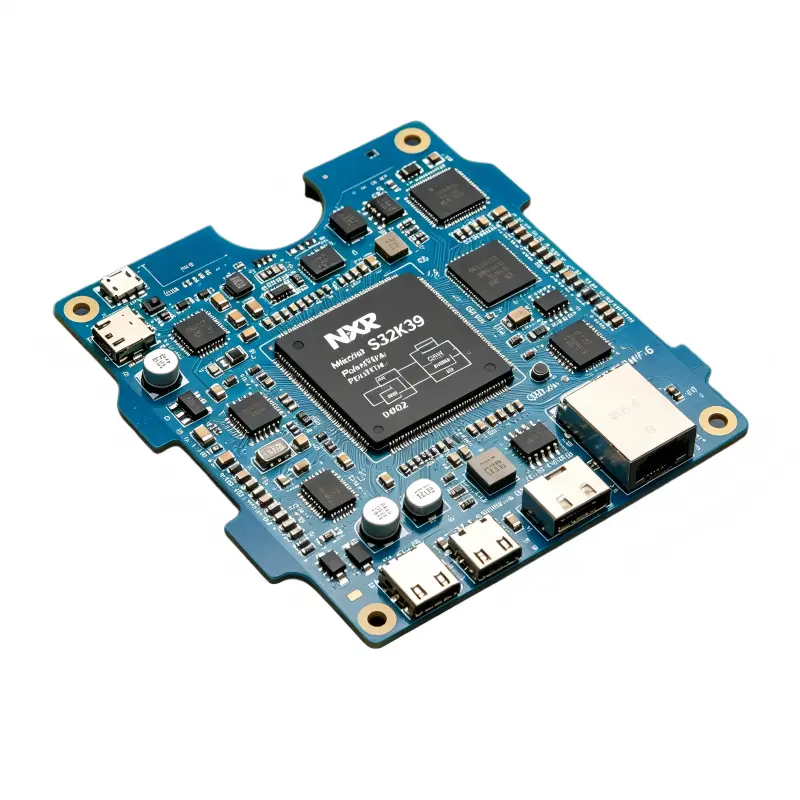
Early challenges in anesthesia machine adoption—such as unstable anesthetic gas flow control, electromagnetic interference (EMI), and poor patient safety isolation—have been overcome by specialized PCB assembly technologies, particularly rigid-flex PCBs and high-precision surface mount technology (SMT). These innovations effectively enhance the sensitivity of analog front-ends for capturing and processing faint gas flow, pressure, and oxygen concentration signals, while integrating EMI shielding layers to eliminate interference from external medical equipment in operating rooms. Rigid-flex PCBs, in particular, balance compact form factors with reliable signal transmission, supporting the integration of critical components (flow meters, vaporizers, ventilator modules) without compromising life-critical performance. This technological leap has enabled anesthesia machine PCB assemblies to outperform traditional anesthesia machine circuits in key areas:
Enables precise capturing and processing of faint gas flow, pressure, and oxygen concentration signals.
Eliminates electromagnetic interference from external medical equipment in critical operating rooms.
Balances compact form factors with highly reliable signal transmission for critical components.
Early systems suffered from unstable anesthetic gas flow control, high electromagnetic interference (EMI), and insufficient patient safety isolation.
Specialized assembly enhances the sensitivity of analog front-ends, allowing systems to capture and process faint oxygen concentration, gas flow, and pressure signals reliably.
Rigid-flex PCBs balance compact physical layouts with robust signal integrity, facilitating the integration of ventilators, vaporizers, and flow meters within space-constrained medical units.
By integrating specialized EMI shielding layers directly within the PCB design, preventing noise and interference from other clinical electronics in the operating theatre.
High-precision SMT ensures precise mounting of complex electronic components, maximizing reliability and electrical safety isolation for critical care medical devices.