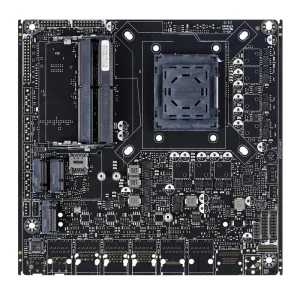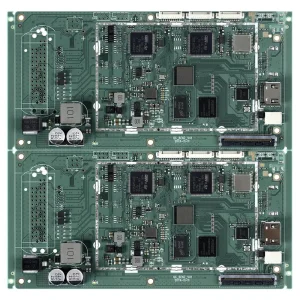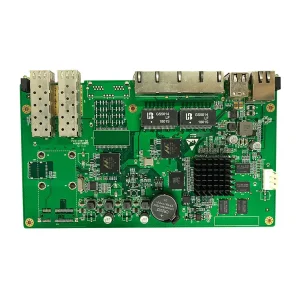
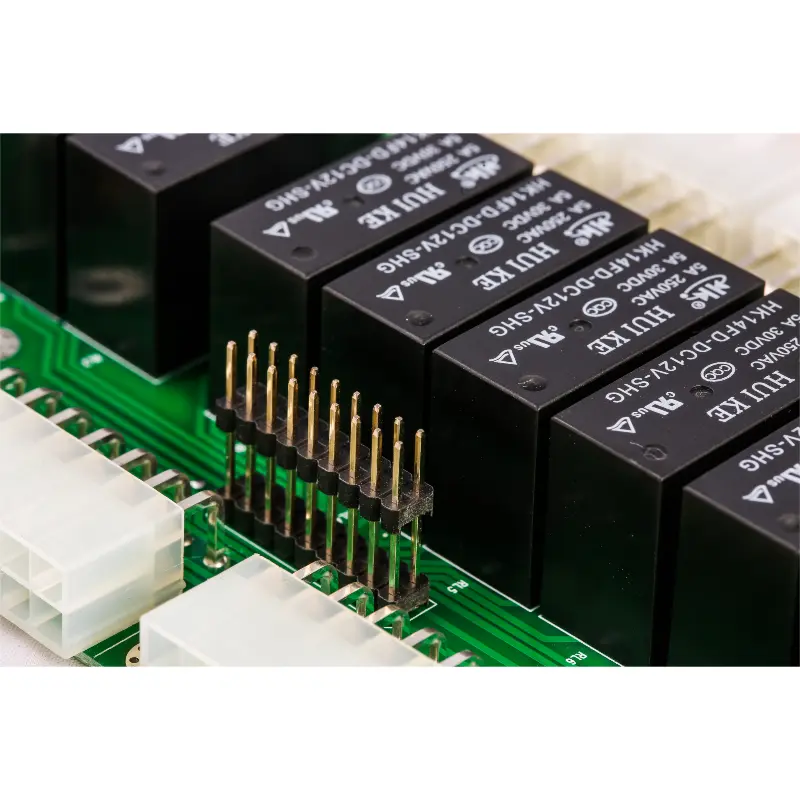
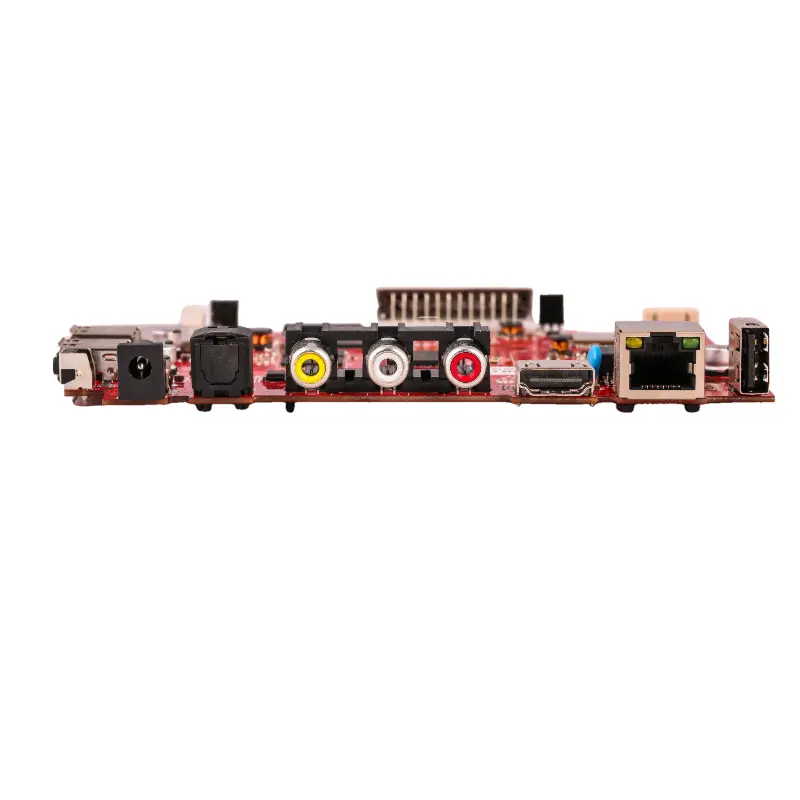
China Biochemical Analyzer PCB Assembly--STHL Manufacturers, Factories

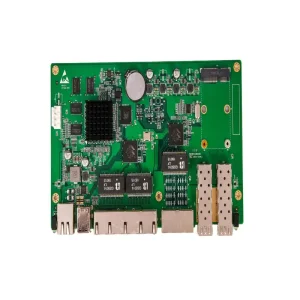
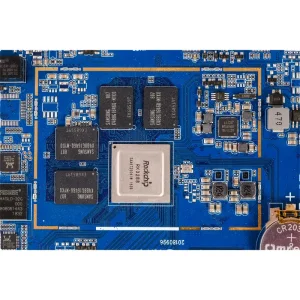
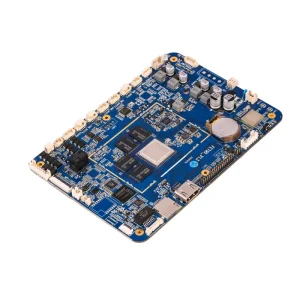
Biochemical analyzer PCBs act as the precision control core of automated clinical and laboratory testing systems, orchestrating the seamless mixing of biological samples with chemical reagents and enabling high-precision measurement of light absorbance and fluorescence signals to quantify analyte concentrations with clinical-grade accuracy. These advanced PCBs deliver ultra-precise regulation of fluidic pumps, solenoid valves, temperature-controlled reaction blocks, and high-sensitivity optical detectors, synchronizing every step of the analytical workflow for repeatable results. Our specialized PCBA processes integrate low-noise signal paths, tight-tolerance component placement, and rigorous calibration for motion control and photometric stability, eliminating signal drift and operational variability. This ensures the consistent, accurate performance that forms the foundational backbone of reliable diagnostic laboratory testing and quantitative biochemical analysis across clinical, pharmaceutical, and research applications.

Product Description

MRI System PCB Assembly

Early challenges in MRI system adoption—such as severe electromagnetic interference (EMI) susceptibility, signal degradation in high-field magnetic environments, and strict requirements for gradient coil control precision—have been overcome by specialized PCB assembly technologies, particularly low-loss HDI PCBs and high-precision surface mount technology (SMT).

Advanced Shielding & Integrity

These innovations effectively enhance the signal purity of RF front-ends for capturing faint magnetic resonance signals, while integrating multi-layer EMI shielding and magnetic-compatible designs to eliminate interference from superconducting magnets and external equipment.

Low-loss HDI PCBs, in particular, balance compact form factors with stable high-frequency signal transmission, supporting the miniaturization of MRI control modules without compromising diagnostic accuracy. This technological leap has enabled MRI system PCB assemblies to outperform traditional control circuits in key areas:
Frequently Asked Questions

What primary challenges in MRI systems are addressed by advanced PCB assembly?
Advanced PCB assembly overcomes severe electromagnetic interference (EMI) susceptibility, signal degradation in high-field magnetic environments, and strict requirements for gradient coil control precision.
How do low-loss HDI PCBs benefit MRI control modules?
They balance compact form factors with stable high-frequency signal transmission, supporting the miniaturization of control modules without compromising diagnostic accuracy.
What role does high-precision SMT play in these assemblies?
High-precision surface mount technology (SMT) enables the reliable integration of dense, complex components required for high-frequency signal processing and stable performance.
How is electromagnetic interference (EMI) eliminated in MRI PCBs?
It is eliminated through the integration of multi-layer EMI shielding and specialized magnetic-compatible designs that block interference from superconducting magnets and external equipment.
Why is signal purity critical for the RF front-end?
The RF front-end must capture extremely faint magnetic resonance signals; specialized PCB designs ensure high signal purity so that these signals can be detected without degradation.
How do modern PCB assemblies compare to traditional control circuits?
By integrating advanced shielding, magnetic-compatible components, and HDI structures, modern assemblies provide far superior performance and stability in high-field environments than traditional designs.

Related Products