China Bluetooth Headset PCB Assembly--STHL Manufacturers, Factory

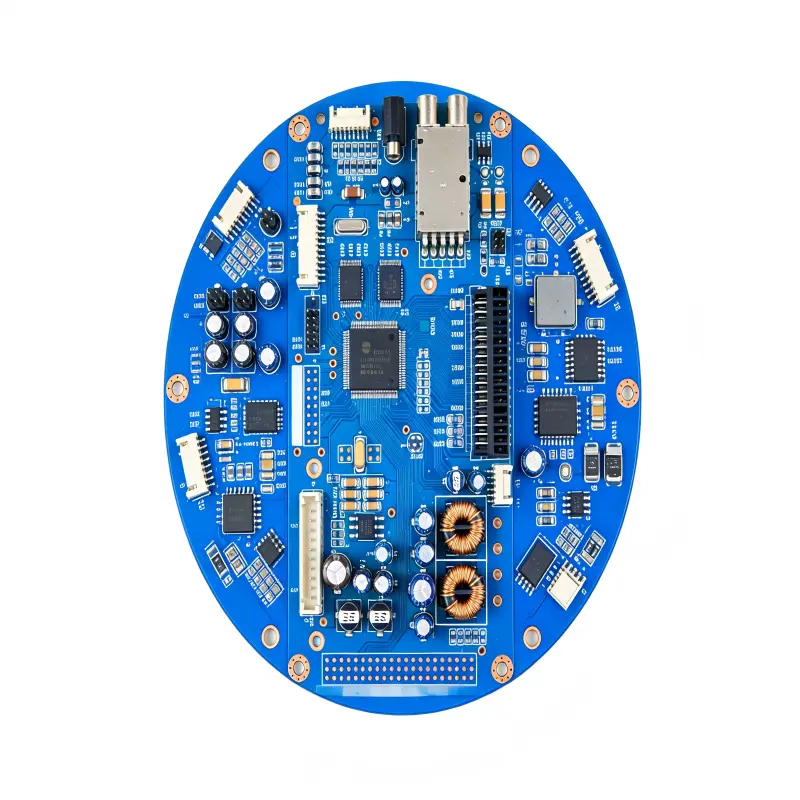
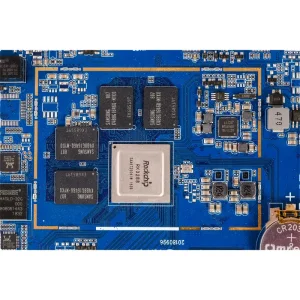
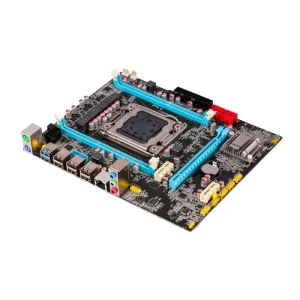
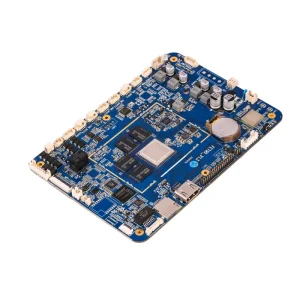
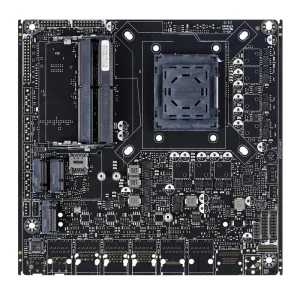
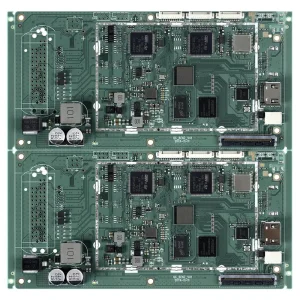
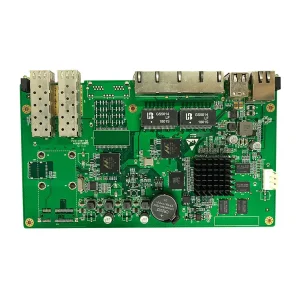
Bluetooth headset PCBs are compact, high-integration devices equipped with Bluetooth SoCs, audio DACs/ADCs, microphones, and battery management systems. Engineered for ultra-low power consumption and lightweight wearability, they support stable wireless connection and long battery life. Our advanced assembly process handles miniature components with high precision, ensuring tight layout and reliable soldering. We optimize circuit design to reduce electromagnetic interference and enhance audio quality. Every board is rigorously tested to guarantee smooth Bluetooth pairing, stable signal transmission, and clear voice call performance. These tiny yet powerful PCBs deliver consistent, high-quality wireless audio for daily use, gaming, and communication.

Product Description

The Evolution And Advantages Of ECG Monitor PCB Assembly
Early challenges in ECG monitor adoption—such as weak signal capture, electromagnetic interference (EMI), and poor patient safety isolation—have been overcome by specialized PCB assembly technologies, particularly rigid-flex PCBs and high-precision surface mount technology (SMT). These innovations effectively enhance the sensitivity of analog front-ends for capturing faint cardiac electrical signals, while integrating EMI shielding layers to eliminate interference from external medical equipment. Rigid-flex PCBs, in particular, balance compact form factors with reliable signal transmission, supporting the miniaturization of portable and wearable ECG devices without compromising performance. This technological leap has enabled ECG monitor PCB assemblies to outperform traditional monitoring circuits in key areas:
Signal Capture Sensitivity
Enhanced sensitivity of analog front-ends optimized specifically for capturing faint cardiac electrical signals.
EMI Shielding Integration
Integration of specialized EMI shielding layers to eliminate interference originating from external medical equipment.
Compact Rigid-Flex Design
Rigid-flex PCBs balancing ultra-compact form factors with reliable, high-integrity signal transmission paths.
Wearable Device Optimization
Full support for the structural miniaturization of portable and wearable ECG devices without compromising performance.
Frequently Asked Questions
Q: What early challenges existed in ECG monitor adoption?
Early challenges in ECG monitor adoption included weak cardiac signal capture, susceptibility to electromagnetic interference (EMI), and poor patient safety isolation.
Q: Which technologies resolved these historical challenges?
Specialized PCB assembly technologies, particularly rigid-flex PCBs and high-precision surface mount technology (SMT), have successfully overcome these initial technical obstacles.
Q: How is the sensitivity of faint cardiac signals improved?
High-precision SMT and advanced layout techniques enhance the sensitivity of analog front-ends, allowing the PCB assembly to capture very faint cardiac electrical signals accurately.
Q: How do modern ECG PCBs prevent interference from external medical devices?
They integrate dedicated electromagnetic interference (EMI) shielding layers within the PCB layout design to isolate and eliminate external signals.
Q: What role do rigid-flex PCBs play in wearable ECG devices?
Rigid-flex PCBs balance compact dimensional requirements with reliable signal transmission, enabling the design of smaller, portable, and wearable monitoring units.
Q: Do miniaturized ECG monitors compromise operational performance?
No. Thanks to specialized PCB assembly innovations, the miniaturization of portable and wearable ECG monitors is achieved without compromising clinical monitoring performance.

Related Products