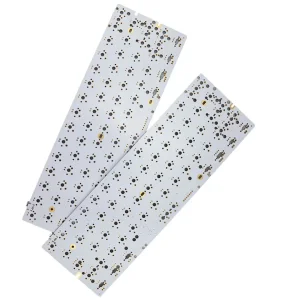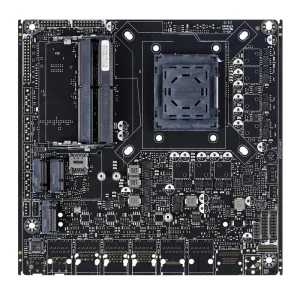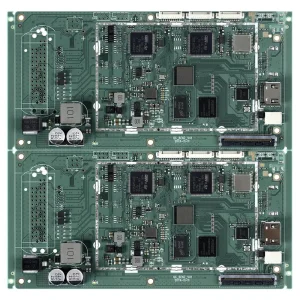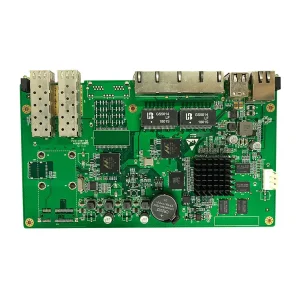
China Elevators PCBA Assembly Factories, Factory

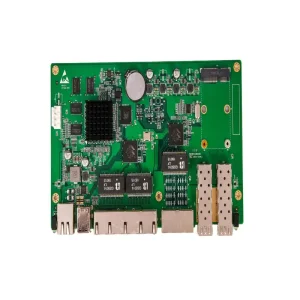
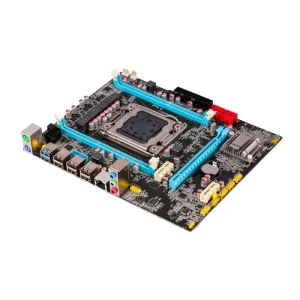
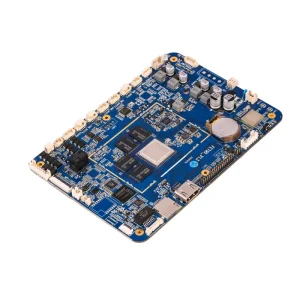
Elevator control PCBs are engineered as the intelligent operational core of vertical transportation systems, built for uncompromising reliability and stringent safety compliance in commercial, residential and industrial buildings. These high-performance boards precisely manage variable-frequency elevator motor control, real-time floor selection and positioning, smooth door opening/closing actuation, and the activation of critical safety mechanisms—including overspeed protection, door interlocks and emergency stop systems. Optimized for continuous 24/7 operation, they integrate anti-interference circuits to eliminate signal disruption from building electrical systems, with redundant control paths to prevent operational failures. Enabling seamless, jerk-free elevator movement and instant response to user inputs, these PCBs ensure consistent, efficient and fully compliant performance, forming the foundational safety and functionality backbone for all vertical transportation applications.

Product Description

Elevators PCBA Assembly

Early challenges in elevator system adoption—such as signal interference in motor control, unreliable door actuation, and insufficient resistance to mechanical vibration—have been overcome by specialized PCB assembly technologies, particularly ruggedized rigid PCBs and high-precision surface mount technology (SMT).

Key Technical Advancements

These innovations effectively enhance the precision of motion control modules for elevator operation, while integrating EMI shielding layers to eliminate interference from building electrical systems and external equipment. Ruggedized rigid PCBs, in particular, balance compact form factors with stable power and signal transmission, supporting the miniaturization of elevator control cabinets without compromising operational safety and efficiency. This technological leap has enabled elevator PCBA assemblies to outperform traditional control circuits in key areas.
Frequently Asked Questions
Q: What were the primary historical challenges in elevator control systems?
Traditional elevator control systems frequently encountered issues like signal interference in motor control, unreliable door actuation mechanisms, and degradation caused by constant mechanical vibration.
Q: How does high-precision SMT benefit modern elevator PCBAs?
High-precision Surface Mount Technology (SMT) allows for dense component integration. This enables the design of highly compact elevator control cabinets while ensuring exceptional operational safety and reliability.
Q: Why is EMI shielding important for elevator electronics?
Elevators operate in environments with complex building electrical systems. Dedicated EMI shielding layers prevent electromagnetic interference from disrupting sensitive control circuits and signal transmission.
Q: What makes ruggedized rigid PCBs ideal for elevator applications?
Ruggedized rigid PCBs are specifically built to withstand continuous mechanical vibration while maintaining stable, low-loss power distribution and precise signal routing.
Q: How does advanced PCBA design impact elevator cabin miniaturization?
By packing advanced power routing, EMI shielding, and motion control logic into high-density, multi-layer designs, modern PCBAs reduce the physical footprint of control modules significantly.

Related Products