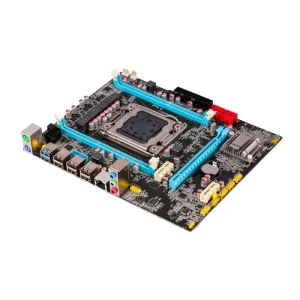
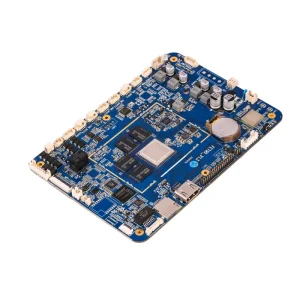
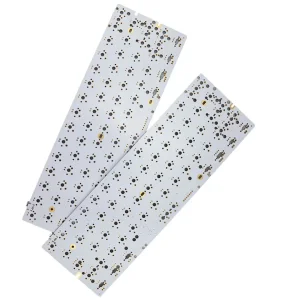
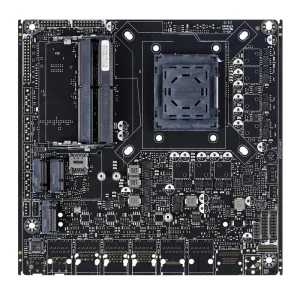
 STHL PCBA
1 / 1
Early challenges in explosion-proof equipment adoption—such as weak signal capture in hazardous environments, electromagnetic interference (EMI), and poor explosion-proof isolation performance—have been overcome by specialized PCB assembly technologies, particularly rigid-flex PCBs and high-precision surface mount technology (SMT).
Effectively enhances the sensitivity of analog front-ends for capturing faint detection and control signals in hazardous environments.
Integrates EMI shielding layers to eliminate interference from external hazardous factors and ensure high transmission reliability.
Utilizes explosion-proof sealing structures to prevent ignition risks and guarantee safe operation in critical environments.
Balances compact form factors with reliable signal transmission, supporting the miniaturization of explosion-proof devices.
The primary early challenges included weak signal capture in hazardous environments, electromagnetic interference (EMI), and poor explosion-proof isolation performance.
These challenges have been overcome by specialized PCB assembly technologies, particularly rigid-flex PCBs and high-precision surface mount technology (SMT).
These innovations effectively enhance the sensitivity of analog front-ends, allowing them to capture faint detection and control signals with higher accuracy.
By integrating EMI shielding layers and specialized explosion-proof sealing structures, the assemblies eliminate external hazardous interference and prevent ignition risks.
Rigid-flex PCBs balance compact form factors with reliable signal transmission. This supports the miniaturization of explosion-proof devices without compromising their explosion-proof performance and signal stability.
This technological leap enables modern explosion-proof equipment PCB assemblies to outperform traditional explosion-proof circuits in key operational areas.