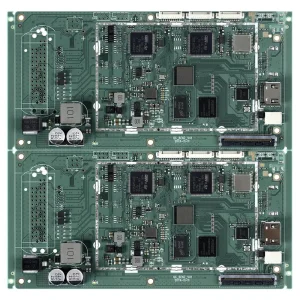
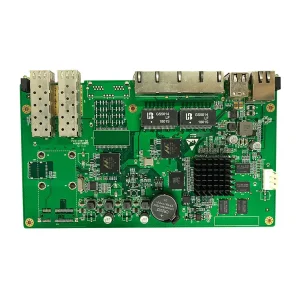
 STHL PCBA
1 / 1
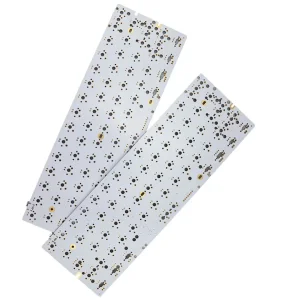
Early challenges in Edge-Lit LED Backlight adoption—such as uneven light guide distribution, electromagnetic interference (EMI), and limited slimness for ultra-thin displays—have been overcome by specialized PCB assembly technologies, particularly rigid-flex PCBs, flexible PCBs (FPC), and high-precision surface mount technology (SMT). These innovations effectively enhance the stability of LED drive circuits for uniform edge-to-center lighting, while integrating EMI shielding layers to eliminate interference from external TV/display components (such as mainboards, power supplies, and control modules) and surrounding electronic devices. Rigid-flex and flexible PCBs, in particular, balance slim form factors with reliable signal transmission and efficient heat dissipation, supporting the side-mounted layout and ultra-thin design of edge-lit displays without compromising backlight performance. This technological leap has enabled Edge-Lit LED Backlight PCB Assemblies to outperform traditional edge-lit backlight circuits in key areas:
Balances exceptionally slim form factors with highly reliable signal transmission and efficient heat dissipation to support side-mounted layouts.
Enhances the overall stability of LED drive circuits, ensuring uniform edge-to-center lighting distribution across the display.
Integrates dedicated shielding layers to eliminate electromagnetic interference from surrounding electronic components and mainboards.
What are the primary benefits of Edge-Lit LED Backlight PCB Assemblies?
They offer uniform edge-to-center lighting, robust resistance to electromagnetic interference (EMI), and highly efficient heat dissipation. This allows displays to maintain ultra-thin designs without compromising performance.
How do rigid-flex and flexible PCBs improve ultra-thin display layouts?
Rigid-flex and flexible PCBs (FPC) provide a balance between mechanical bendability and reliable electrical connection. This flexibility supports the side-mounted configuration necessary for ultra-thin screen designs.
Why is high-precision SMT crucial for LED drive circuits?
High-precision SMT (Surface Mount Technology) ensures accurate placement of microscopic components. This enhances the electrical stability of the drive circuits, preventing uneven light guide distribution.
How is electromagnetic interference (EMI) mitigated in these assemblies?
By integrating specialized multi-layer EMI shielding designs directly into the PCB stackup, which blocks noise from internal display components like mainboards and power supplies.
Do these advanced PCB assemblies support thermal management?
Yes. The materials used in rigid-flex and flexible PCBs are optimized for thermal conductivity, facilitating rapid heat dissipation away from the edge-mounted LEDs to ensure longevity.