 STHL PCBA
1 / 1
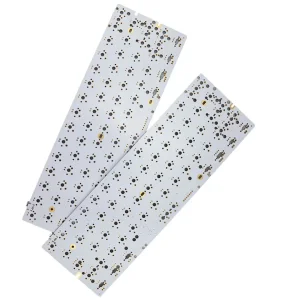
Early challenges in LED Display Board PCB Assembly adoption—such as uneven pixel brightness, electromagnetic interference (EMI), and poor thermal management isolation—have been overcome by specialized PCB assembly technologies, particularly rigid PCBs (metal-core and FR-4) and high-precision surface mount technology (SMT). These innovations effectively enhance the stability of LED drive circuits for delivering uniform, high-brightness pixel display, while integrating EMI shielding layers to eliminate interference from external electronic components and power supplies. Rigid PCBs, in particular, balance compact, durable form factors with reliable signal transmission and efficient heat dissipation, supporting the modular design and large-size expansion of LED display boards without compromising pixel consistency. This technological leap has enabled LED Display Board PCB Assemblies to outperform traditional LED display board circuits in key areas:
Successfully resolves issues with uneven pixel brightness, electromagnetic interference (EMI), and poor thermal management isolation.
Utilizes high-precision surface mount technology (SMT) alongside robust rigid PCBs (metal-core and FR-4).
Integrates dedicated EMI shielding layers to eliminate signal interference from external electronic components and power supplies.
Balances compact, durable form factors with reliable signal transmission and efficient thermal dissipation.
Q1: What early challenges were associated with LED Display Board PCB Assembly adoption?
A1: The primary early challenges included uneven pixel brightness, electromagnetic interference (EMI), and poor thermal management isolation.
Q2: How are these early challenges resolved in modern assemblies?
A2: They are resolved through specialized PCB assembly technologies, specifically utilizing rigid PCBs (metal-core and FR-4) and high-precision surface mount technology (SMT).
Q3: How do rigid PCBs improve the performance of LED display boards?
A3: Rigid PCBs balance a compact and durable form factor with reliable signal transmission and efficient heat dissipation, which supports modular design and large-size expansion without compromising pixel consistency.
Q4: What role does SMT play in these PCB assemblies?
A4: High-precision surface mount technology (SMT) enhances the stability of LED drive circuits, ensuring the delivery of a uniform and high-brightness pixel display.
Q5: How is electromagnetic interference (EMI) mitigated in the assembly?
A5: The assemblies integrate dedicated EMI shielding layers to effectively eliminate interference from external electronic components and power supplies.
Q6: Do these advanced PCB assemblies support large-scale display expansions?
A6: Yes. Thanks to reliable signal transmission and efficient heat dissipation, they fully support the modular design and large-size expansion of LED display boards while maintaining pixel uniformity.