 STHL PCBA
1 / 1
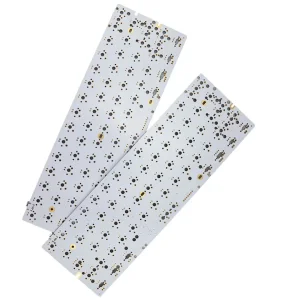
Early challenges in LED Panel Light PCB Assembly adoption—such as uneven planar light distribution, electromagnetic interference (EMI), and poor heat dissipation isolation—have been overcome by specialized PCB assembly technologies, particularly rigid PCBs (aluminum-based and FR-4 glass fiber) and high-precision surface mount technology (SMT). These innovations effectively enhance the stability of LED drive circuits for delivering uniform, soft planar illumination, while integrating EMI shielding layers to eliminate interference from external power supplies and electronic devices. Rigid PCBs, in particular, balance compact, slim form factors with reliable current transmission and efficient heat dissipation, supporting the miniaturization and high-performance operation of LED panel lights without compromising light uniformity. This technological leap has enabled LED Panel Light PCB Assemblies to outperform traditional LED panel circuits in key areas:
High-precision SMT and optimized drive circuits deliver stable, uniform, and soft planar light distribution across the panel.
Integrated EMI shielding layers eliminate external electromagnetic interference from power supplies and adjacent electronic devices.
Rigid aluminum-based and FR-4 glass fiber substrates ensure highly efficient heat dissipation and reliable current transmission.
Early challenges mainly included uneven planar light distribution, electromagnetic interference (EMI) from external sources, and inadequate heat dissipation isolation.
By incorporating rigid PCBs, specifically aluminum-based and high-quality FR-4 glass fiber substrates, the assemblies balance a slim form factor with highly efficient thermal dissipation.
High-precision Surface Mount Technology (SMT) ensures the exact placement of components, enhancing the overall stability and reliability of the LED drive circuits.
Specialized PCB assembly designs integrate dedicated EMI shielding layers that successfully isolate and eliminate interference from external electronic devices and power grids.
Yes. The combination of rigid-flex or rigid PCBs and high-precision SMT allows for compact, slim designs without compromising power transmission efficiency or light uniformity.