Home >
PCBA Application >
China Medical Imaging Workstation PCB Assembly--STHL Manufacturer, Manufacturers
1 / 1
China Medical Imaging Workstation PCB Assembly--STHL Manufacturer, Manufacturers
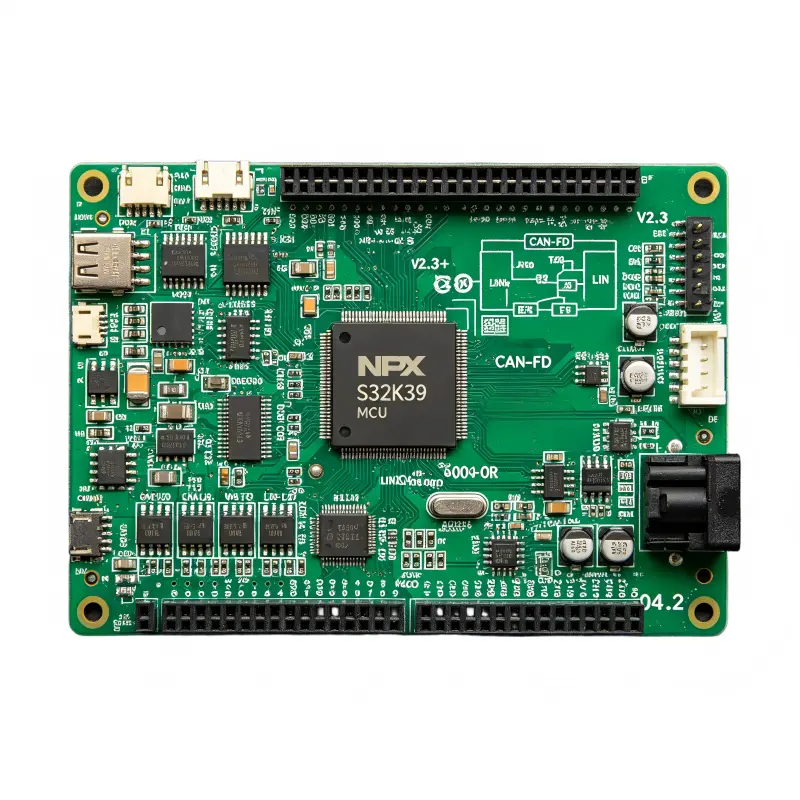
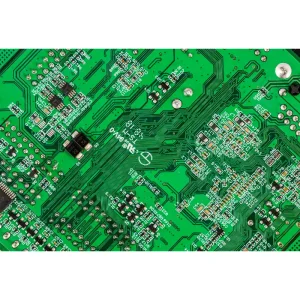
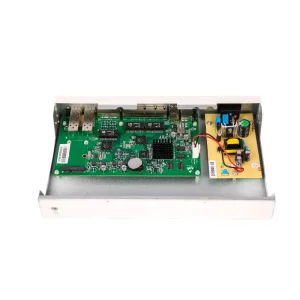
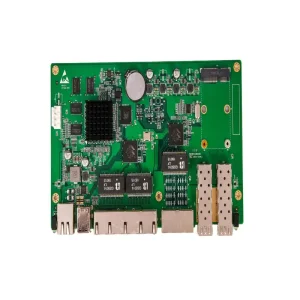
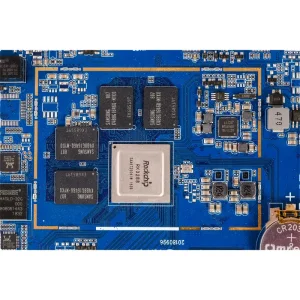
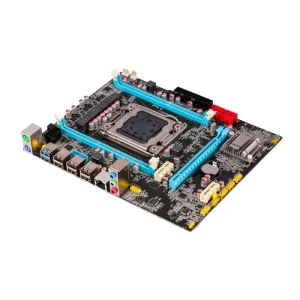
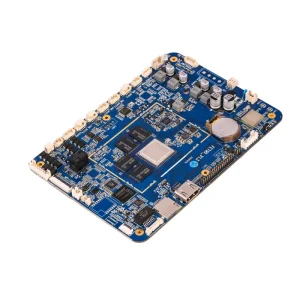
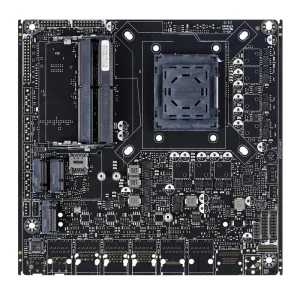
These are high-performance computing PCBs dedicated to the intensive processing, high-resolution rendering, and secure storage of massive medical image files in DICOM format, including CT, MRI, and ultrasound scans. Equipped with powerful professional GPUs, large-capacity high-speed memory, and ultra-fast storage interfaces, they deliver exceptional computing throughput and data bandwidth for radiological workflows. Our advanced manufacturing and rigorous assembly processes support the production of these specialized computing systems, ensuring stable operation, low latency, and long-term reliability. By accelerating image reconstruction, analysis, and retrieval, they empower radiologists to visualize details clearly, work efficiently, and deliver precise, timely diagnoses that directly improve clinical outcomes and patient care quality.
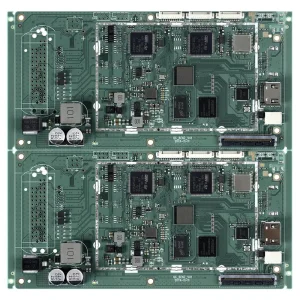
Early challenges in medical imaging workstation adoption—such as weak imaging signal capture, electromagnetic interference (EMI), and poor high-resolution data transmission—have been overcome by specialized PCB assembly technologies, particularly rigid-flex PCBs and high-precision surface mount technology (SMT). These innovations effectively enhance the sensitivity of analog front-ends for capturing faint imaging signals (including CT, MRI, and ultrasound data), while integrating EMI shielding layers to eliminate interference from external medical imaging equipment. Rigid-flex PCBs, in particular, balance compact form factors with reliable signal transmission, supporting the integration of high-performance image processors and data storage modules without compromising imaging accuracy. This technological leap has enabled medical imaging workstation PCB assemblies to outperform traditional imaging circuits in key areas:
Key Advancements
Analog Front-End Sensitivity: Enhanced capabilities for capturing faint imaging signals like CT, MRI, and ultrasound data.
EMI Shielding Layers: Integration of shields that eliminate electromagnetic interference from external medical equipment.
Rigid-Flex PCB Technology: Perfectly balances compact form factors with highly reliable signal transmission.
Frequently Asked Questions
What early challenges affected medical imaging workstation adoption?
The primary challenges included weak imaging signal capture, electromagnetic interference (EMI), and poor high-resolution data transmission.
Which PCB technologies helped overcome these early challenges?
These challenges were overcome by specialized PCB assembly technologies, particularly rigid-flex PCBs and high-precision surface mount technology (SMT).
How does the PCB assembly improve the capture of CT, MRI, and ultrasound data?
The specialized PCB design effectively enhances the sensitivity of the analog front-ends, allowing them to capture faint imaging signals accurately.
How is electromagnetic interference (EMI) eliminated?
EMI is eliminated by integrating dedicated EMI shielding layers into the assembly, which block interference from external medical imaging equipment.
What are the design benefits of rigid-flex PCBs in these systems?
Rigid-flex PCBs balance compact form factors with reliable signal transmission, enabling the integration of high-performance image processors and data storage modules without reducing imaging accuracy.
Do these advanced assemblies outperform traditional imaging circuits?
Yes, this technological leap enables modern medical imaging workstation PCB assemblies to outperform traditional imaging circuits across all key operational areas.
 STHL PCBA