 STHL PCBA
1 / 1
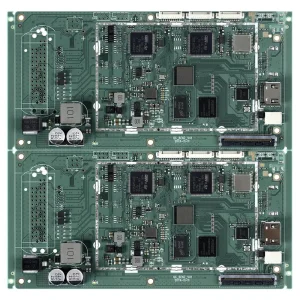
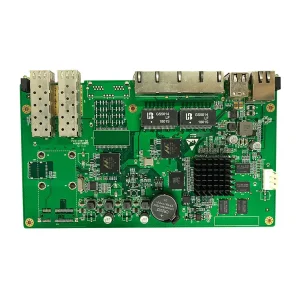
Early challenges in modem adoption—such as weak broadband signal demodulation, severe electromagnetic interference (EMI), and insufficient power circuit isolation—have been overcome by specialized PCBA assembly technologies, particularly rigid-flex PCBs and high-precision surface mount technology (SMT). These innovations effectively enhance the sensitivity of analog front-ends for capturing faint broadband and optical network electrical signals, while integrating multi-layer EMI shielding layers to eliminate interference from internal signal processing chips and surrounding household communication devices. Rigid-flex PCBs, in particular, balance compact miniaturized form factors with stable bidirectional signal transmission, supporting the lightweight design of wired and wireless modem devices without compromising network decoding and access performance. This technological leap has enabled modem PCBA assemblies to outperform traditional network modulation circuits in key areas:
Early modem designs faced challenges such as weak broadband signal demodulation, severe electromagnetic interference (EMI), and insufficient isolation within the power circuits.
Rigid-flex PCBs successfully balance compact, miniaturized physical dimensions with highly stable bidirectional signal transmission, enabling lighter modem designs without affecting network access performance.
High-precision surface mount technology (SMT) enables the integration of specialized, high-density components that improve the sensitivity of analog front-ends, ensuring faint broadband and optical signals are captured reliably.
Modern modem PCBAs utilize integrated multi-layer EMI shielding structures. This design eliminates interference originating from internal signal processing chips as well as external domestic communication devices.
Specialized PCBA processes introduce rigid-flex substrate design, precise SMT layout, and advanced noise isolation, making modems more compact, efficient at decoding, and highly resistant to signal disruption.