 STHL PCBA
1 / 1
Early challenges in OBC PCB adoption—such as weak charging signal capture, severe electromagnetic interference (EMI), and poor electrical safety isolation in new energy vehicle (NEV) charging scenarios—have been overcome by specialized PCB assembly technologies, particularly rigid-flex PCBs and high-precision surface mount technology (SMT).
This technological leap has enabled OBC PCB assemblies to outperform traditional charging circuits in key areas.
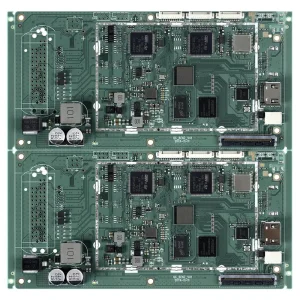
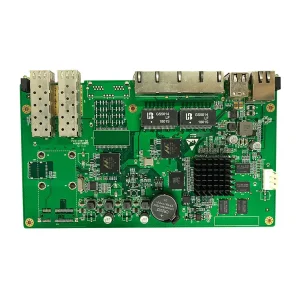
OBC PCB Assembly is the electronic control circuit core responsible for converting AC power from external power grids into the DC power required to charge the main battery pack of a new energy vehicle (NEV).
Rigid-flex PCBs offer a space-saving structure that eliminates the need for wire harness connections, thereby reducing electromagnetic noise and enhancing reliability under high-frequency and high-voltage conditions.
SMT assemblies integrate critical shielding configurations to isolate external power grid fluctuations and mitigate electromagnetic interference (EMI) originating from the vehicle’s powertrain and high-voltage battery packs.
High sensitivity allows the system to accurately detect and manage low-voltage charging signal fluctuations, which is crucial for safety monitoring, voltage regulation, and precise charging rate calculations.
By integrating high-precision isolation layouts, thermal management materials, and advanced surface mount technology, the assembly ensures reliable safety isolation between high and low voltage circuits.