 STHL PCBA
1 / 1
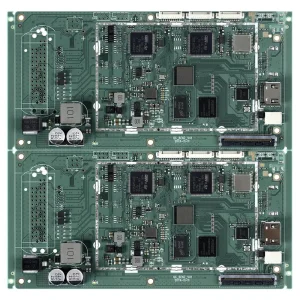
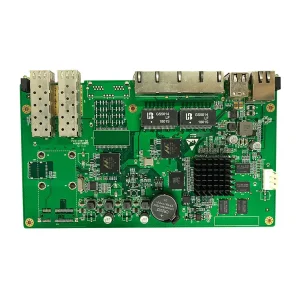
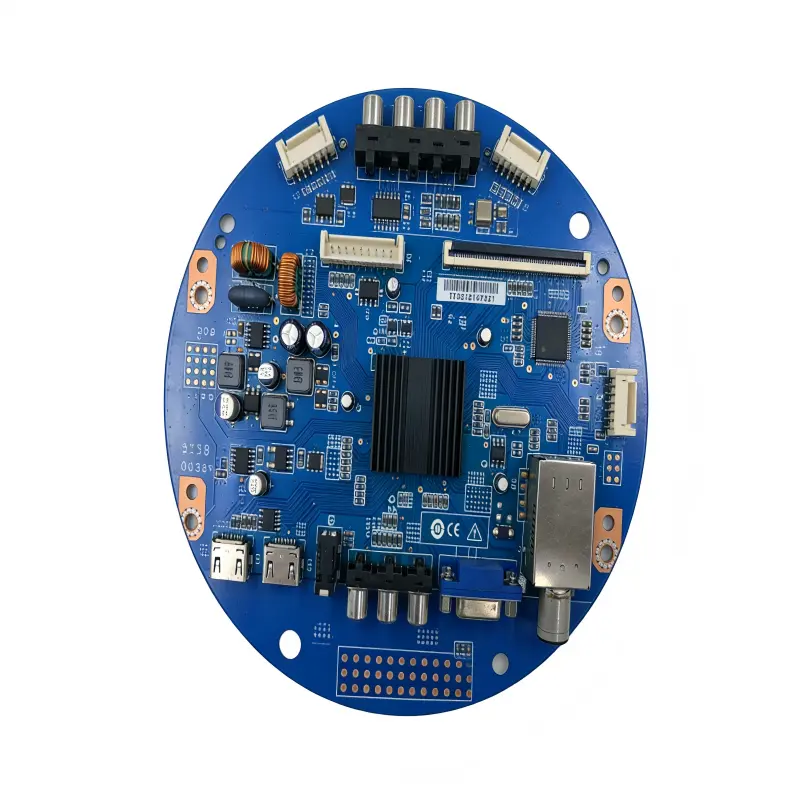
Early challenges in smart home gateway adoption—such as multi-protocol signal confusion, electromagnetic interference (EMI), and unstable network isolation—have been overcome by specialized PCB assembly technologies, particularly rigid-flex PCBs and high-precision surface mount technology (SMT). These innovations effectively enhance the sensitivity of analog front-ends for capturing faint sensor and communication electrical signals, while integrating EMI shielding layers to eliminate interference from household electrical appliances and overlapping wireless frequency bands. Rigid-flex PCBs, in particular, balance compact form factors with reliable signal transmission, supporting the miniaturization of embedded and desktop gateway hosts without compromising data processing performance. This technological leap has enabled smart home gateway PCB assemblies to outperform traditional control circuits in key areas.
Successfully resolves critical system limitations such as multi-protocol signal confusion, electromagnetic interference (EMI), and unstable network isolation.
Perfectly balances compact physical space limits with secure, reliable high-speed data transmission, facilitating clean design integration.
Integrates multi-layer shielding to suppress overlapping wireless bands and external home appliance interference effectively.
Early systems suffered from multi-protocol signal confusion, heavy electromagnetic interference (EMI), and unstable network isolation, which impacted system reliability.
By integrating high-efficiency EMI shielding layers into the design, which blocks signal interference from home appliances and overlapping radio frequencies.
Rigid-flex PCBs offer a space-saving structure that maintains robust signal lines, allowing for smaller, desktop-friendly gateway designs without compromising on processing capabilities.
High-precision SMT enables clean component placements and enhances the sensitivity of the analog front-end to capture faint sensor signals and data inputs cleanly.
No. The combination of advanced layout methods and rigid-flex designs ensures that miniaturized units achieve equal or superior data integrity compared to larger legacy setups.
Modern assemblies provide higher signal sensitivity, advanced noise prevention, and reliable multi-protocol operations, outperforming traditional circuits in every key metric.