China Surgical Navigation System PCB Assembly--STHL Manufacturer, Manufacturers

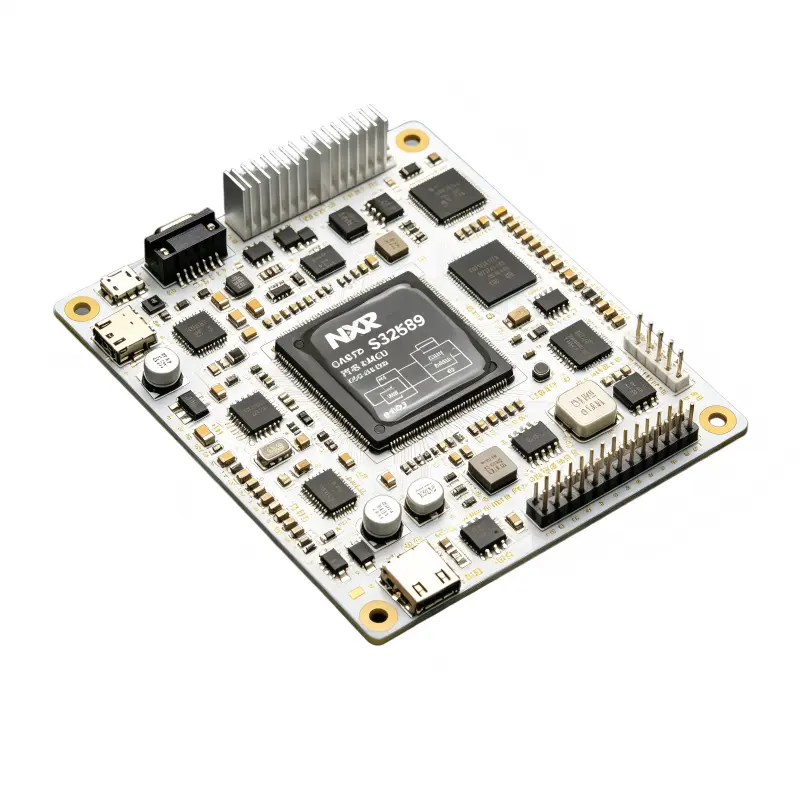
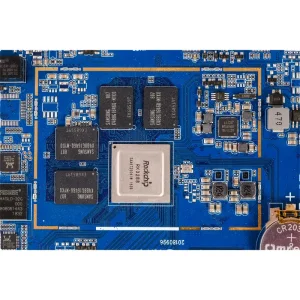
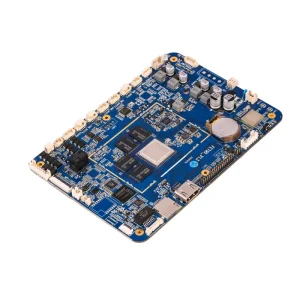
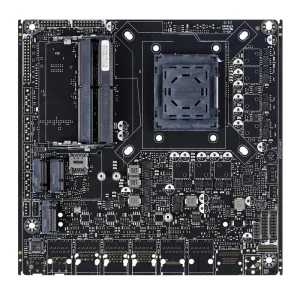
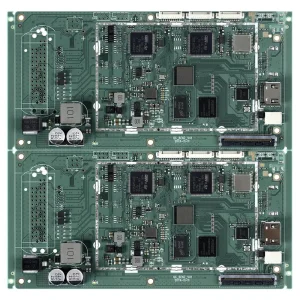
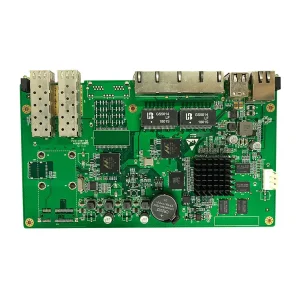
These PCBs serve as the core processing units for surgical navigation systems, capturing and analyzing real-time data from high-precision optical or electromagnetic trackers. They deliver dynamic 3D visualization that accurately maps surgical instruments relative to the patient’s internal anatomy reconstructed from CT and MRI scans, greatly enhancing surgical precision. Demanding ultra-high-speed data processing, low-latency transmission, and sub-millimeter positioning accuracy, they form the foundation of modern minimally invasive and robotic surgery. Our professional PCB assembly supports the seamless, reliable integration of sensing, computing, control, and display subsystems, ensuring stable performance, strong anti-interference ability, and consistent operational safety in complex operating room environments.

Product Description

Surgical Navigation System PCB Assembly

Early challenges in surgical navigation system adoption—such as weak positioning signal capture, electromagnetic interference (EMI), and poor precision in sterile operating environments—have been overcome by specialized PCB assembly technologies, particularly rigid-flex PCBs and high-precision surface mount technology (SMT).
Early Adoption Challenges
  • Weak positioning signal capture in complicated sterile fields.
  • Severe electromagnetic interference (EMI) from external operating room devices.
  • Maintaining consistent precision in demanding clinical environments.
Advanced Technical Solutions
  • Rigid-Flex & SMT: Enhanced sensitivity of analog front-ends for faint signals.
  • EMI Shielding Layers: Eliminates interference from MRI, CT scanners, and other medical equipment.
  • Compact Integration: Safely houses sensors, processors, and communication modules.

By supporting the integration of critical components (positioning sensors, image processors, communication modules) without compromising surgical precision, this technological leap has enabled surgical navigation system PCB assemblies to outperform traditional surgical navigation circuits in key areas.

Frequently Asked Questions

Q: What primary challenges did early surgical navigation systems face?
Early configurations struggled with weak positioning signal capture, electromagnetic interference (EMI) inside operating rooms, and keeping high precision standards within sterile surgical environments.
Q: How does high-precision Surface Mount Technology (SMT) improve signal capture?
High-precision SMT significantly enhances the sensitivity of the analog front-ends, allowing them to detect and capture very faint positioning, imaging, and sensor signals.
Q: How do these specialized PCBs resolve electromagnetic interference (EMI)?
They integrate specialized EMI shielding layers that successfully isolate and eliminate signal disruption coming from external medical devices like MRI machines and CT scanners.
Q: What are the design benefits of using rigid-flex PCBs in surgical applications?
Rigid-flex PCBs offer a perfect balance of compact, space-saving layouts and extremely reliable signal transmission, which is critical for complex medical hardware.
Q: Which main components can be integrated using these advanced PCB technologies?
This technology allows safe integration of vital parts such as positioning sensors, specialized image processors, and communication modules without losing surgical precision.
Q: Why do modern PCB assemblies outperform traditional navigation circuits?
They leverage dense structural layout, superior analog signal preservation, and robust interference protection specifically developed for high-precision sterile environments.

Related Products