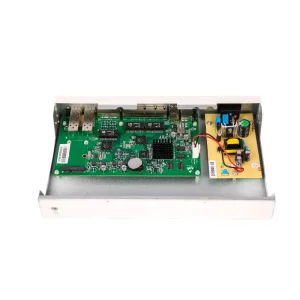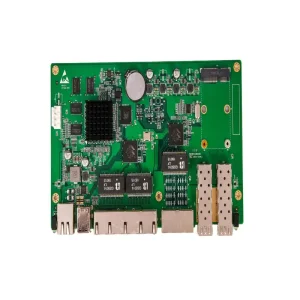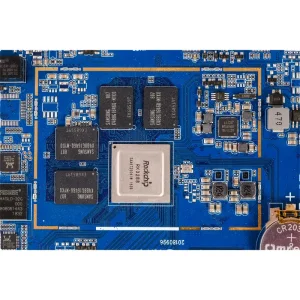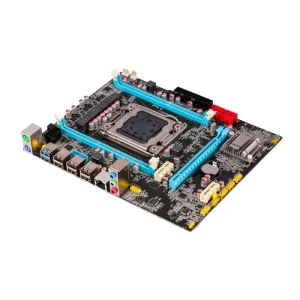
High-Quality Ecological Restoration Monitoring Equipment PCB Assembly Manufacturer, Factory

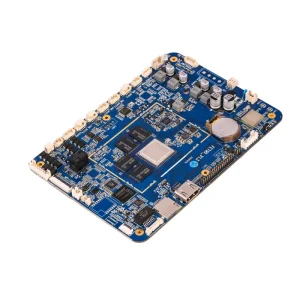
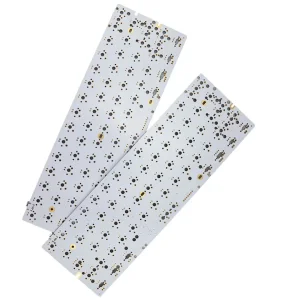
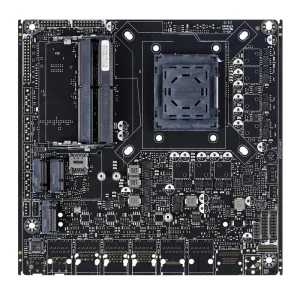
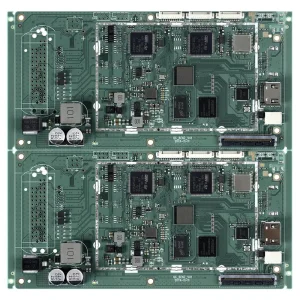
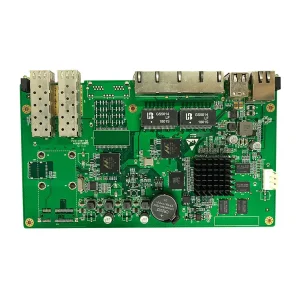
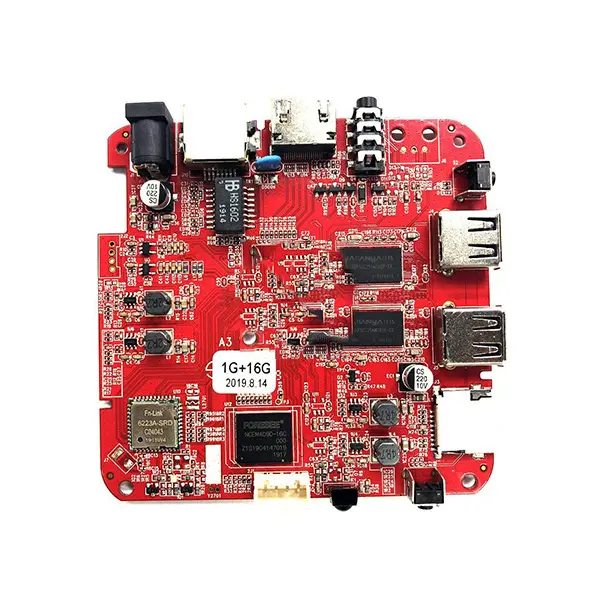
 The ecological restoration monitoring equipment PCB is the "restoration effect tracking core" for damaged ecosystems. Engineered for field deployment in restoration sites (mines, wetlands, forests), it resists harsh conditions (temperature extremes, moisture, dust), integrating sensors for soil quality, vegetation coverage, water quality, and biodiversity. With our low-power PCB design, it supports long-term, unattended operation, transmitting data to restoration management platforms. Used by environmental agencies and research institutions, evaluating the effectiveness of ecological restoration projects and guiding adaptive management strategies.​

Product Description

Ecological Restoration Monitoring Equipment PCB Assembly

Early challenges in ecological restoration monitoring equipment adoption—such as weak ecological signal capture, electromagnetic interference (EMI), and poor environmental adaptability in wild and wet scenarios—have been overcome by specialized PCB assembly technologies, particularly ruggedized rigid-flex PCBs and high-precision surface mount technology (SMT). These innovations effectively enhance the sensitivity of analog front-ends for capturing faint ecological signals (vegetation coverage, soil moisture, water quality, and biodiversity indicators), while integrating EMI shielding layers to eliminate interference from external field equipment and ambient environmental noise. Ruggedized rigid-flex PCBs, in particular, balance compact form factors with reliable signal transmission, supporting the miniaturization of portable and field-deployable ecological monitoring devices without compromising detection accuracy. This technological leap has enabled ecological restoration monitoring equipment PCB assemblies to outperform traditional monitoring circuits in key areas:

Faint Signal Capture

Enhanced sensitivity of analog front-ends to accurately capture critical ecological data indicators.

EMI Shielding

Integrated multi-layer shielding eliminates external noise and ambient field interference.

Wild Adaptability

Ruggedized rigid-flex structures ensure stable performance in harsh outdoor environments.

Miniaturization

Compact design footprints support portable and deployable ecological field monitors.
Frequently Asked Questions

What are the main challenges in ecological monitoring PCB assembly?
The primary challenges include weak ecological signal capture, electromagnetic interference (EMI) from outdoor field equipment, and maintaining environmental adaptability in wild, wet, and harsh weather scenarios.
How do rigid-flex PCBs benefit ecological restoration equipment?
Ruggedized rigid-flex PCBs balance compact form factors with highly reliable signal transmission. This supports the miniaturization of portable and field-deployable devices without sacrificing measurement accuracy.
How is electromagnetic interference (EMI) prevented in these PCBs?
We integrate dedicated EMI shielding layers into the multilayer PCB layout, effectively isolating the analog front-ends from external electronic equipment noise and ambient environmental interference.
Can these PCB assemblies handle wet and wild environments?
Yes, by utilizing specialized rigid-flex designs, high-precision surface mount technology (SMT), and durable protective conformal coatings, these boards offer excellent moisture resistance and physical durability.
What kinds of ecological signals do these boards help detect?
They optimize analog front-end sensitivity to capture faint environmental indicators, including soil moisture, water quality parameters, vegetation coverage levels, and biodiversity indicators.

Related Products