 STHL PCBA
1 / 1
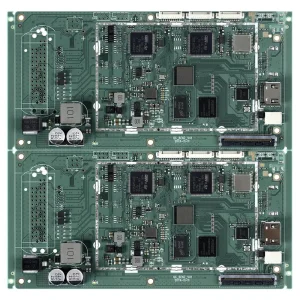
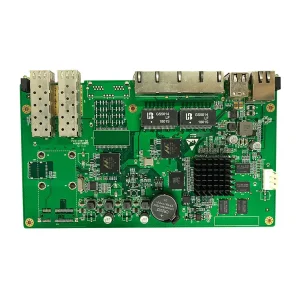
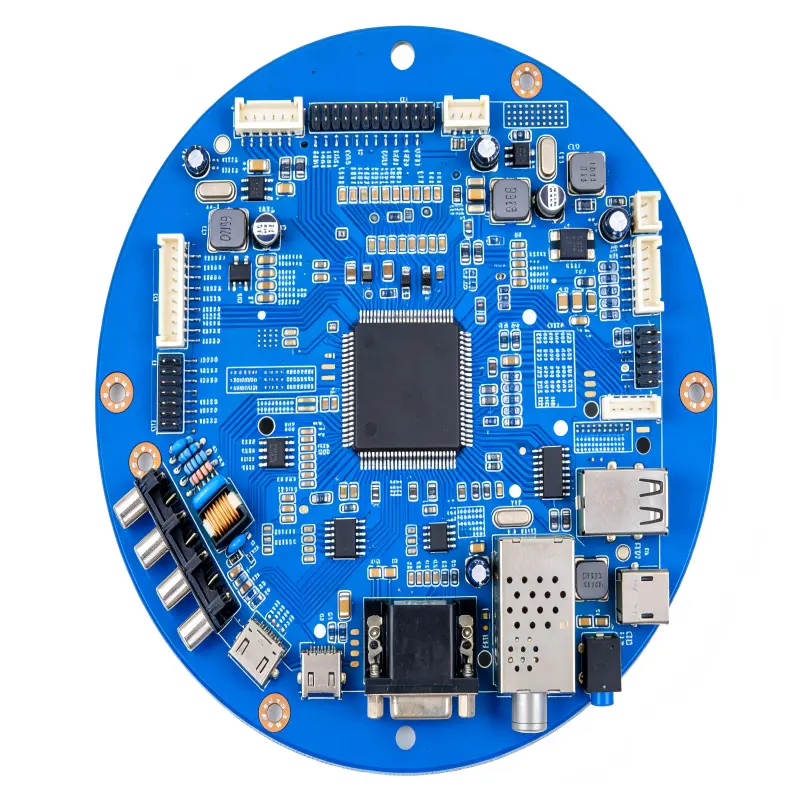
Early challenges in LED Floodlight adoption—such as uneven wide-area illumination, electromagnetic interference (EMI), and inadequate weather resistance for outdoor use—have been overcome by specialized PCB assembly technologies, particularly rigid PCBs and high-precision surface mount technology (SMT). These innovations effectively enhance the stability of LED drive circuits for high-intensity flood illumination, while integrating EMI shielding layers to eliminate interference from external industrial equipment and power systems. Rigid PCBs, in particular, balance compact form factors with reliable signal transmission and efficient heat dissipation, supporting the high-power density and wide-beam design of LED floodlights without compromising illumination uniformity. This technological leap has enabled LED Floodlight PCB Assemblies to outperform traditional floodlight circuits in key areas.
Early adoptions struggled with uneven wide-area light distribution, electromagnetic interference (EMI) from surrounding electrical grids, and vulnerability to harsh weather conditions in outdoor installations.
Rigid PCBs provide a stable mechanical foundation that balances a compact layout with reliable signal paths and high thermal conductivity, preventing circuit failures under high electrical loads.
High-precision Surface Mount Technology (SMT) allows for precise component placement, which increases circuit efficiency, reduces manufacturing errors, and enhances the operational stability of high-intensity LED drivers.
Specialized EMI shielding layers are integrated directly into the PCB design. This protects the LED drive circuitry from external electrical noise generated by nearby industrial machinery and power systems.
Because floodlights operate at a high-power density, excessive heat can degrade LED lifespan and cause color shifting. Rigid PCB assemblies facilitate rapid heat transfer away from key components to maintain consistent illumination uniformity.