 STHL PCBA
1 / 1
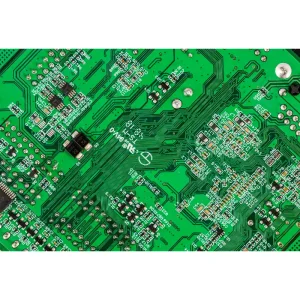
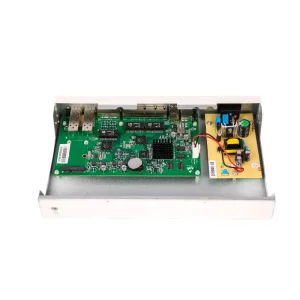
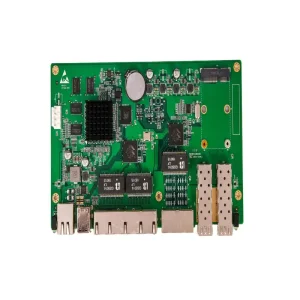
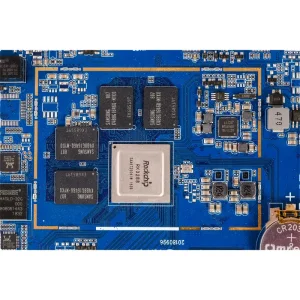
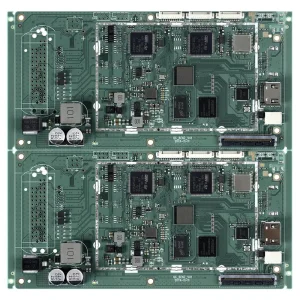
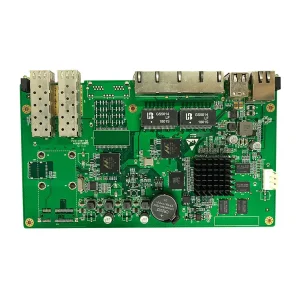
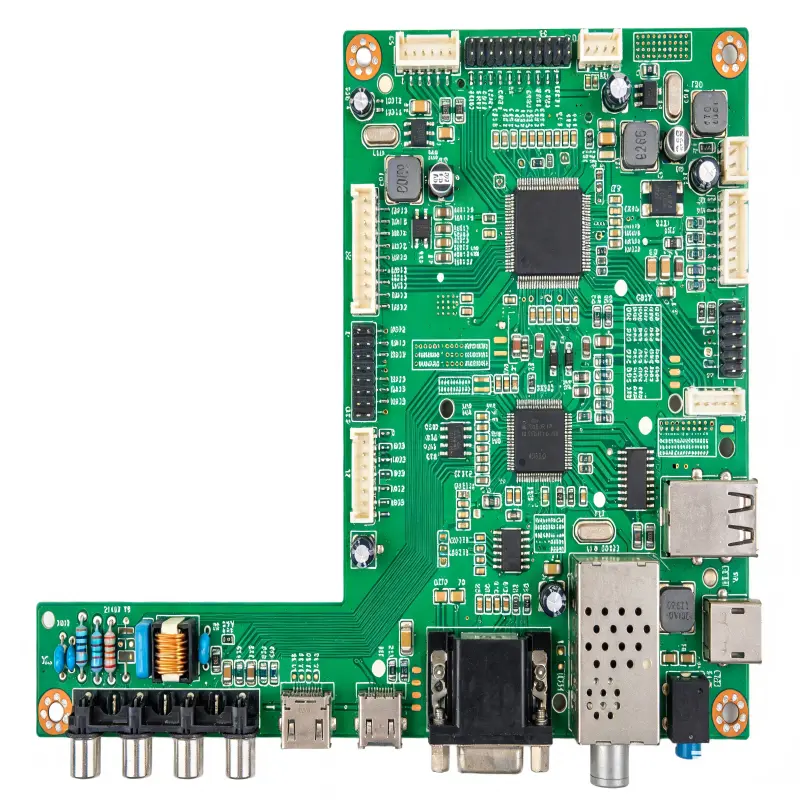
Early challenges in LED High Bay adoption—such as insufficient high-power load capacity, electromagnetic interference (EMI), and inadequate thermal management for large-space illumination—have been overcome by specialized PCB assembly technologies, particularly rigid PCBs and high-precision surface mount technology (SMT). These innovations effectively enhance the stability of LED drive circuits for high-wattage operation, while integrating EMI shielding layers to eliminate interference from external industrial equipment and power systems. Rigid PCBs, in particular, balance compact form factors with reliable signal transmission and efficient heat dissipation, supporting the high-power density and modular layout of LED high bay lights without compromising illumination uniformity. This technological leap has enabled LED High Bay PCB Assemblies to outperform traditional high bay light circuits in key areas:
High-precision SMT and rigid PCBs optimize driving circuits to manage higher wattages securely, preventing circuit breakdowns under high-voltage demands.
Integrated shielding layers actively eliminate external electromagnetic interference from surrounding industrial machinery and power grids.
Advanced layouts facilitate fast heat dissipation, protecting component lifespans and ensuring uniform large-space illumination.
It resolves insufficient high-power load capacity, severe electromagnetic interference (EMI), and inadequate thermal management for large-space illumination.
Rigid PCBs balance compact design form factors with reliable signal transmission and rapid heat dissipation, allowing for high power density layouts without affecting light uniformity.
High-precision SMT is essential for mounting small, complex components accurately, which enhances the overall stability and reliability of LED drive circuits running at high wattages.
EMI is controlled by integrating specialized shielding layers directly into the PCB assembly design, which shields the lighting components from external industrial equipment signals.
Proper thermal management ensures that the heat produced by high-wattage operation is dissipated efficiently, preserving the integrity of the circuits and maintaining steady illumination.