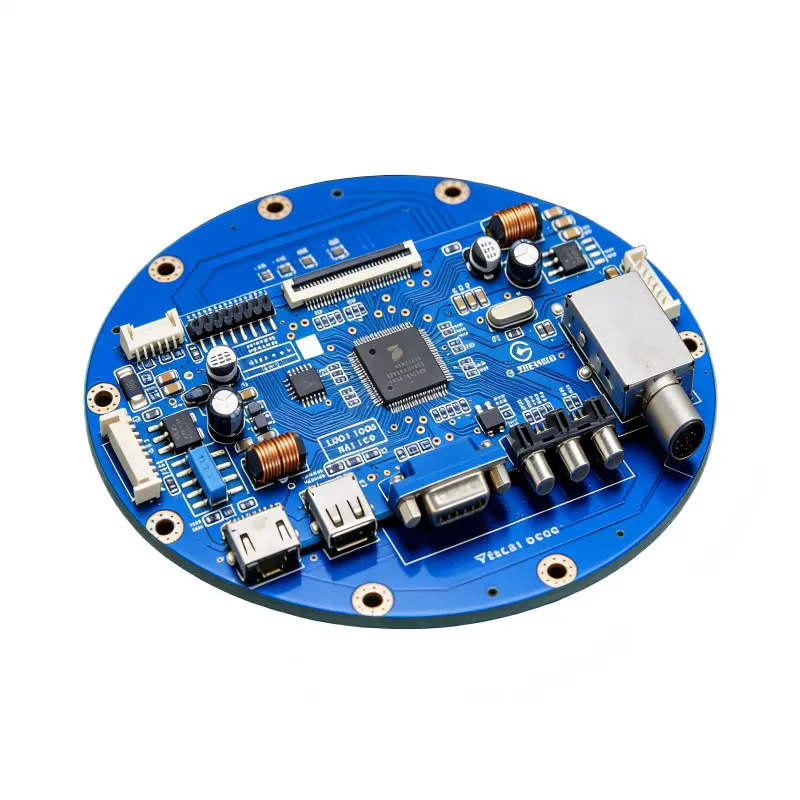
High-Quality LED Module Board PCB Assembly--STHL Manufacturers, Factories

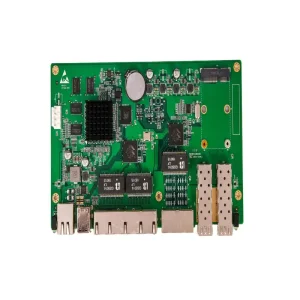
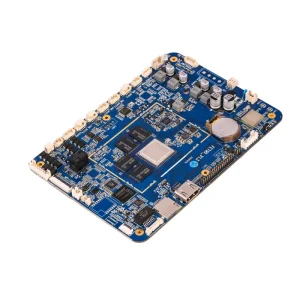
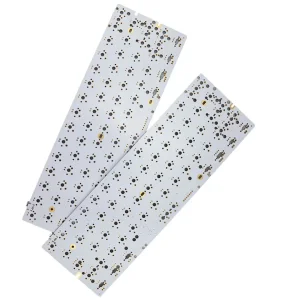
LED Module Board PCB is a modular circuit board designed for LED display modules, integrating LED chips, driving circuits, and connection interfaces, enabling flexible splicing to form large-scale displays. It features compact design, easy installation, and high compatibility, supporting different pixel densities to meet various display needs. Think of it as the "building block" of LED displays, widely used in indoor and outdoor advertising screens, stage backgrounds, and information displays. Our 7 SMT high-speed production lines ensure precise component placement and consistent performance, with each module PCB undergoing strict electrical testing to ensure seamless splicing and stable operation.

Product Description

LED Module Board PCB Assembly

Early challenges in LED Module Board adoption—such as poor modular compatibility, electromagnetic interference (EMI), and inadequate signal synchronization between modules—have been overcome by specialized PCB assembly technologies, particularly rigid-flex PCBs and high-precision surface mount technology (SMT). These innovations effectively enhance the stability of LED drive circuits for consistent module-to-module performance, while integrating EMI shielding layers to eliminate interference from external electronic components and adjacent modules. Rigid-flex PCBs, in particular, balance compact form factors with reliable signal transmission, supporting the modular assembly and scalable expansion of LED module boards without compromising performance. This technological leap has enabled LED Module Board PCB Assemblies to outperform traditional module circuits in key areas:

High-Precision SMT

Overcomes modular compatibility and synchronization challenges by enhancing the overall stability of active LED drive circuits.

EMI Shielding Layers

Effectively eliminates unwanted electromagnetic interference from external components and adjacent display modules.

Rigid-Flex Technology

Balances compact structures with high-fidelity signal transmission, facilitating seamless modular assembly and scalable display expansion.
Frequently Asked Questions

What were the primary challenges in early LED Module Board designs?
Early designs faced significant challenges including poor modular compatibility, electromagnetic interference (EMI) between units, and inadequate signal synchronization across modules.
How do modern assembly technologies solve these challenges?
Modern methods rely on specialized PCB assembly technologies—specifically rigid-flex PCBs and high-precision Surface Mount Technology (SMT)—to ensure structural stability and seamless communication.
How is electromagnetic interference (EMI) mitigated in LED Module Boards?
EMI is controlled by integrating dedicated shielding layers within the PCB assembly, which blocks external electronic disturbances and prevents crosstalk between adjacent modules.
What are the benefits of rigid-flex PCBs for LED Module Boards?
Rigid-flex PCBs provide a unique balance of compact form factors and highly reliable signal transmission, making it easier to expand and splice modules without compromising on overall display quality.
How does SMT improve the reliability of LED drive circuits?
High-precision surface mount technology (SMT) ensures optimal component placement, which stabilizes drive circuits and keeps module-to-module signal flow highly synchronized and consistent.

Related Products