Home >
PCBA Application >
High-Quality Operating Room Video Monitoring System PCB Assembly--STHL Manufacturer, Factory
1 / 1
High-Quality Operating Room Video Monitoring System PCB Assembly--STHL Manufacturer, Factory
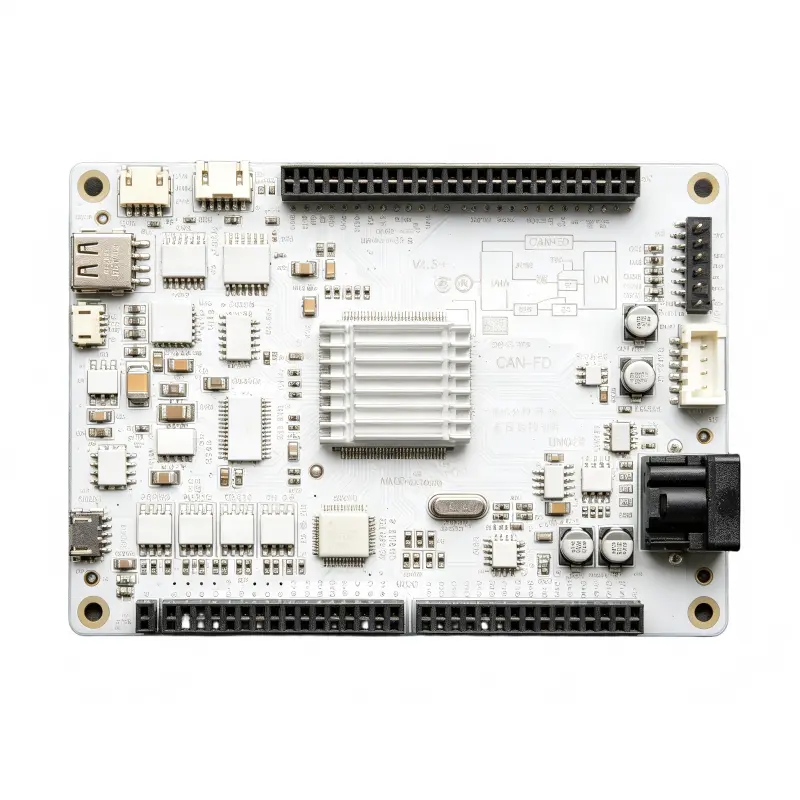
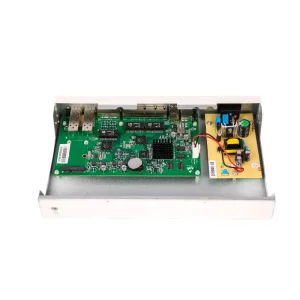
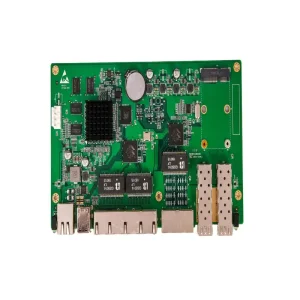
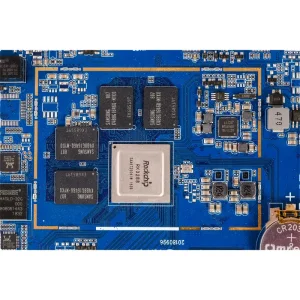
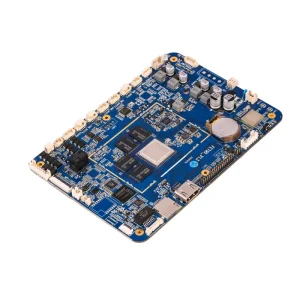
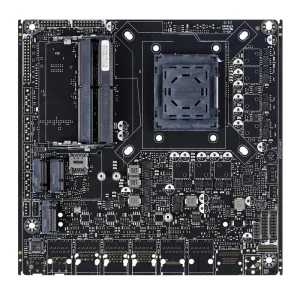
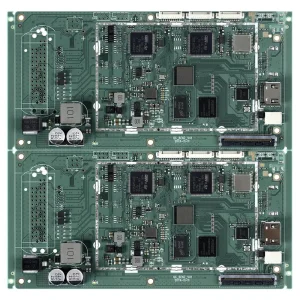
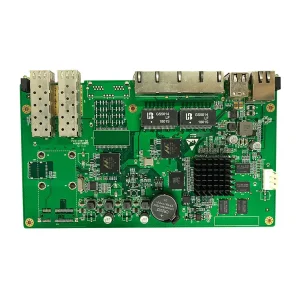
These PCBs serve as the central control hub for managing high-definition video capture from multiple surgical cameras within the operating room, supporting realtime live streaming, highquality video recording, and smooth data integration with surgical navigation systems. Designed to operate reliably in demanding clinical environments, they must be compatible with sterilehousing setups and maintain stable, ultralowlatency video transmission throughout procedures. Our precision assembly and strict quality control ensure consistent, interferencefree video feeds with sharp clarity and stable frame rates. These dependable video outputs are essential for surgical teaching, remote expert consultation, peer review, and accurate procedure documentation, greatly improving educational value, operational transparency, and the overall quality of modern surgical care.
Operating Room Video Monitoring System PCB Assembly
Early challenges in operating room video monitoring system adoption—such as weak high-definition (HD) video signal capture, electromagnetic interference (EMI), and poor signal stability in sterile operating environments—have been overcome by specialized PCB assembly technologies, particularly rigid-flex PCBs and high-precision surface mount technology (SMT).
These innovations effectively enhance the sensitivity of analog front-ends for capturing faint HD video signals and real-time image data, while integrating EMI shielding layers to eliminate interference from external medical equipment (such as MRI, CT scanners, and surgical instruments) in operating rooms.
Rigid-flex PCBs, in particular, balance compact form factors with reliable signal transmission, supporting the integration of HD cameras, video processors, and data transmission modules without compromising video clarity and real-time performance. This technological leap has enabled operating room video monitoring system PCB assemblies to outperform traditional video monitoring circuits in key areas:
Signal Capture Sensitivity: Enhances analog front-ends to successfully capture faint HD video signals and real-time image data.
EMI Shielding Integration: Eliminates signal interference caused by external operating room equipment like MRI, CT scanners, and surgical instruments.
Rigid-Flex Reliability: Achieves a compact form factor while maintaining reliable high-speed signal transmission for cameras and processors.
Frequently Asked Questions
Q: What were the primary challenges in early operating room video monitoring systems?
The primary challenges included weak high-definition (HD) video signal capture, susceptibility to electromagnetic interference (EMI), and poor signal stability in sterile surgical environments.
Q: Which technologies have resolved these signal capture and stability issues?
These challenges have been successfully addressed through specialized PCB assembly technologies, specifically rigid-flex PCBs and high-precision surface mount technology (SMT).
Q: How is electromagnetic interference (EMI) managed in these PCB assemblies?
The assemblies integrate advanced EMI shielding layers that prevent and eliminate interference from external medical equipment such as MRI machines, CT scanners, and surgical instruments.
Q: What advantages do rigid-flex PCBs bring to video monitoring systems?
Rigid-flex PCBs balance compact form factors with reliable, high-performance signal transmission. This supports the seamless integration of HD cameras, video processors, and data transmission modules without compromising video clarity.
Q: Do these PCB assemblies support real-time data transmission?
Yes, by enhancing the sensitivity of the analog front-ends and ensuring robust signal paths, these assemblies support real-time image data transmission and high-definition video clarity.
 STHL PCBA