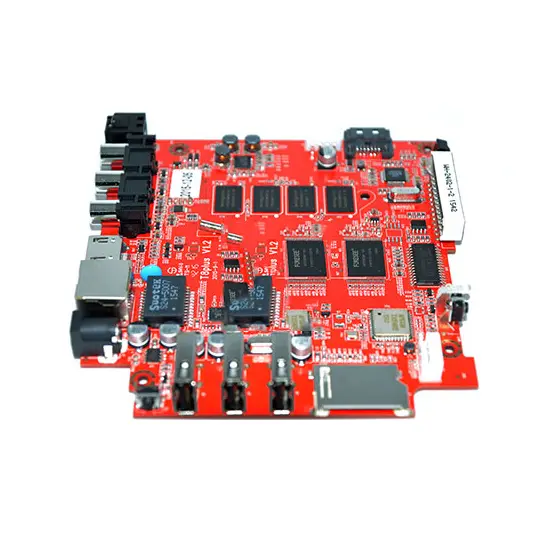
High-Quality Distributed Power Generation Control System PCB Assembly Manufacturer, Factory

The distributed power generation control system PCB is the "central coordinator" of distributed new energy systems (solar, wind, etc.), designed to manage decentralized energy generation and grid interaction. It withstands diverse operating environments, integrating power regulation, grid connection control, energy storage coordination, and fault handling circuits. It balances energy generation and load demand, optimizes power distribution between local consumption, storage, and grid feed-in, supports seamless switching between grid-connected and off-grid modes, and ensures stable operation of distributed energy systems. Suitable for residential rooftop solar, small wind farms, and microgrids, promoting efficient utilization of distributed new energy.

Product Description

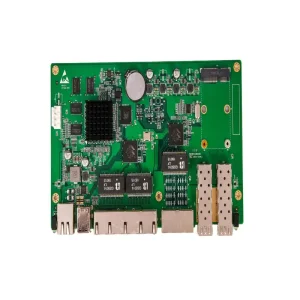
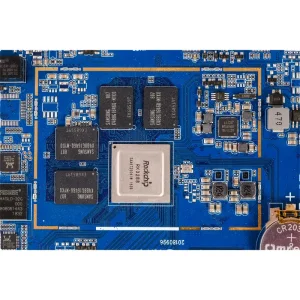
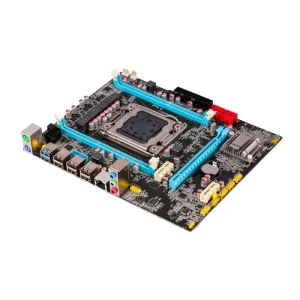
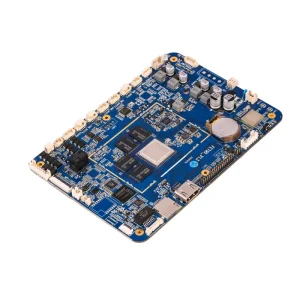
Distributed Power Generation Control System PCB Assembly

Early challenges in distributed power generation control system adoption—such as weak power signal capture, electromagnetic interference (EMI), and poor electrical safety isolation in distributed grid scenarios—have been overcome by specialized PCB assembly technologies, particularly high-efficiency rigid-flex PCBs and high-precision surface mount technology (SMT).

These innovations effectively enhance the sensitivity of analog front-ends for capturing faint power generation signals (voltage, current, frequency, and power output), while integrating EMI shielding layers to eliminate interference from grid equipment and distributed generation units (PV, wind, small hydropower).
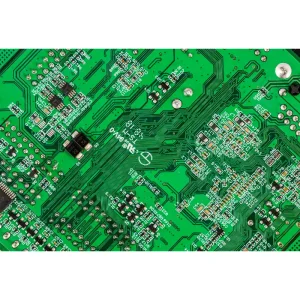
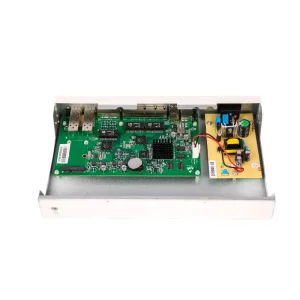
Key Technological Breakthroughs
Rigid-flex PCBs: Balance compact form factors with reliable power and signal transmission.
Analog Front-ends: High-sensitivity capture of faint power generation signals (voltage, current, frequency, and power output).
EMI Shielding: Integrated layers that eliminate interference from grid equipment and distributed units like PV, wind, and small hydropower.
System Compatibility: Supports integration of distributed power control modules without compromising accuracy and grid compatibility.

Frequently Asked Questions

What were the initial challenges in distributed power generation control systems?
The main challenges included weak power signal capture, severe electromagnetic interference (EMI), and poor electrical safety isolation in distributed grid environments.
How have these control system challenges been resolved?
They have been overcome using specialized PCB assembly technologies, specifically high-efficiency rigid-flex PCBs and high-precision surface mount technology (SMT).
What types of signals do the analog front-ends capture?
The optimized analog front-ends are highly sensitive and capture faint power generation signals including voltage, current, frequency, and overall power output.
How does the system handle electromagnetic interference (EMI)?
By integrating specialized EMI shielding layers, the PCB assembly effectively eliminates interference generated by surrounding grid equipment and distributed generation units like PV, wind, and small hydropower.
What are the advantages of using rigid-flex PCBs in these assemblies?
Rigid-flex PCBs offer a perfect balance between a compact design and highly reliable power and signal transmission. This allows the integration of complex control modules without sacrificing control accuracy or grid compatibility.

Related Products