 STHL PCBA
1 / 1
Early challenges in Primary Flight Display (PFD) PCBA adoption—such as weak flight parameter signal capture, intense electromagnetic interference (EMI), and poor display stability isolation in aviation environments—have been overcome by specialized PCB assembly technologies, particularly rigid-flex PCBs and high-precision surface mount technology (SMT). These innovations effectively enhance the sensitivity of analog front-ends for capturing faint core flight signals (attitude, altitude, airspeed, heading), while integrating high-performance EMI shielding layers to eliminate interference from aircraft avionics, engines, and external electromagnetic disturbances. Rigid-flex PCBs, in particular, balance compact form factors with reliable high-speed signal transmission, supporting the miniaturization and integration of PFD devices without compromising display clarity and real-time data presentation. This technological leap has enabled Primary Flight Display (PFD) PCBA assemblies to outperform traditional primary flight display circuits in key areas.
Early challenges in Fly-by-Wire (FBW) Control Unit PCBA adoption—such as weak flight control signal capture, intense electromagnetic interference (EMI), and poor electrical safety isolation in aviation environments—have been overcome by specialized PCB assembly technologies, particularly rigid-flex PCBs and high-precision surface mount technology (SMT). These innovations effectively enhance the sensitivity of analog front-ends for capturing faint flight control and sensor signals, while integrating high-performance EMI shielding layers to eliminate interference from aircraft avionics, engines, and external electromagnetic disturbances. Rigid-flex PCBs, in particular, balance compact form factors with reliable high-speed signal transmission, supporting the miniaturization and integration of FBW control unit devices without compromising flight control precision and stability. This technological leap has enabled Fly-by-Wire (FBW) Control Unit PCBA assemblies to outperform traditional fly-by-wire circuits in key areas.
Early challenges in Flight Control Computer (FCC) PCBA adoption—such as weak flight parameter signal capture, intense electromagnetic interference (EMI), and poor electrical safety isolation in aviation environments—have been overcome by specialized PCB assembly technologies, particularly rigid-flex PCBs and high-precision surface mount technology (SMT). These innovations effectively enhance the sensitivity of analog front-ends for capturing faint flight control signals, while integrating high-performance EMI shielding layers to eliminate interference from aircraft avionics, engines, and external electromagnetic environments. Rigid-flex PCBs, in particular, balance compact form factors with reliable high-speed signal transmission, supporting the miniaturization and integration of FCC devices without compromising flight control accuracy and stability. This technological leap has enabled Flight Control Computer (FCC) PCBA assemblies to outperform traditional flight control circuits in key areas.
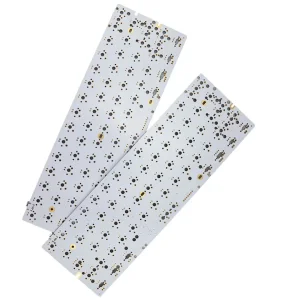
Early challenges in Smart Light Strip PCBA adoption—such as weak signal capture, electromagnetic interference (EMI), and poor electrical safety isolation—have been overcome by specialized PCB assembly technologies, particularly rigid-flex PCBs and high-precision surface mount technology (SMT). These innovations effectively enhance the sensitivity of analog front-ends for capturing faint control, dimming and color-changing signals, while integrating EMI shielding layers to eliminate interference from external electronic equipment. Rigid-flex PCBs, in particular, balance flexible form factors with reliable signal transmission, supporting the bendability and miniaturization of smart light strip devices without compromising performance. This technological leap has enabled Smart Light Strip PCBA assemblies to outperform traditional light strip circuits in key areas.
Early challenges in Smart Speaker PCBA adoption—such as weak voice signal capture, electromagnetic interference (EMI), and poor electrical safety isolation—have been overcome by specialized PCB assembly technologies, particularly rigid-flex PCBs and high-precision surface mount technology (SMT). These innovations effectively enhance the sensitivity of analog front-ends for capturing faint voice and audio signals, while integrating EMI shielding layers to eliminate interference from external electronic equipment. Rigid-flex PCBs, in particular, balance compact form factors with reliable signal transmission, supporting the miniaturization of smart speaker devices without compromising performance. This technological leap has enabled Smart Speaker PCBA assemblies to outperform traditional speaker circuits in key areas.
Early challenges in Camera PCB adoption—such as weak image signal capture, severe electromagnetic interference (EMI), and poor electrical safety isolation in imaging and surveillance scenarios—have been overcome by specialized PCB assembly technologies, particularly rigid-flex PCBs and high-precision surface mount technology (SMT). These innovations effectively enhance the sensitivity of analog front-ends for capturing faint image signals (optical sensor data, pixel information, video transmission), while integrating EMI shielding layers to eliminate interference from external electronic equipment, power supplies, and environmental noise. Rigid-flex PCBs, in particular, balance compact form factors with reliable high-speed signal transmission, supporting the miniaturization of camera modules without compromising imaging quality and video stability. This technological leap has enabled Camera PCB assemblies to outperform traditional camera circuits in key areas.
Early challenges in EPS PCB adoption—such as weak steering signal capture, severe electromagnetic interference (EMI), and poor electrical safety isolation in automotive steering scenarios—have been overcome by specialized PCB assembly technologies, particularly rigid-flex PCBs and high-precision surface mount technology (SMT). These innovations effectively enhance the sensitivity of analog front-ends for capturing faint EPS control signals (steering torque, steering angle, vehicle speed), while integrating EMI shielding layers to eliminate interference from vehicle powertrain, electrical systems, and external road noise. Rigid-flex PCBs, in particular, balance compact form factors with reliable signal transmission, supporting the miniaturization of EPS modules without compromising steering control performance and driving safety. This technological leap has enabled EPS PCB assemblies to outperform traditional steering control circuits in key areas.
Early challenges in BCM PCB adoption—such as weak body control signal capture, severe electromagnetic interference (EMI), and poor electrical safety isolation in automotive body system scenarios—have been overcome by specialized PCB assembly technologies, particularly rigid-flex PCBs and high-precision surface mount technology (SMT). These innovations effectively enhance the sensitivity of analog front-ends for capturing faint body control signals (door/window status, lighting, wipers, HVAC), while integrating EMI shielding layers to eliminate interference from vehicle powertrain, audio systems, and external electronic noise. Rigid-flex PCBs, in particular, balance compact form factors with reliable signal transmission, supporting the miniaturization of BCM modules without compromising body control performance. This technological leap has enabled BCM PCB assemblies to outperform traditional body control circuits in key areas.
Early challenges in BMS PCB adoption—such as weak battery cell signal capture, severe electromagnetic interference (EMI), and poor electrical safety isolation in energy storage and automotive battery scenarios—have been overcome by specialized PCB assembly technologies, particularly rigid-flex PCBs and high-precision surface mount technology (SMT). These innovations effectively enhance the sensitivity of analog front-ends for capturing faint battery cell signals (voltage, current, temperature, state of charge), while integrating EMI shielding layers to eliminate interference from battery packs, charging systems, and external electronic equipment. Rigid-flex PCBs, in particular, balance compact form factors with reliable signal transmission, supporting the miniaturization of BMS modules without compromising battery management performance. This technological leap has enabled BMS PCB assemblies to outperform traditional battery control circuits in key areas.
Early challenges in ECU PCB adoption—such as weak control signal capture, severe electromagnetic interference (EMI), and poor electrical safety isolation in automotive and industrial control scenarios—have been overcome by specialized PCB assembly technologies, particularly rigid-flex PCBs and high-precision surface mount technology (SMT). These innovations effectively enhance the sensitivity of analog front-ends for capturing faint control signals (sensor data, voltage, current), while integrating EMI shielding layers to eliminate interference from engines, motors, and external electronic equipment. Rigid-flex PCBs, in particular, balance compact form factors with reliable signal transmission, supporting the miniaturization of ECU modules without compromising control performance. This technological leap has enabled ECU PCB assemblies to outperform traditional control circuits in key areas.
Early challenges in battery charger adoption—such as weak charging signal capture, electromagnetic interference (EMI), and poor electrical safety isolation in high-voltage operation—have been overcome by specialized PCB assembly technologies, particularly high-efficiency rigid PCBs and high-precision surface mount technology (SMT). These innovations effectively enhance the sensitivity of analog front-ends for capturing faint charging current and voltage signals, while integrating EMI shielding layers to eliminate interference from external power grids and electronic devices. High-efficiency rigid PCBs, in particular, balance compact form factors with reliable power and signal transmission, supporting the miniaturization of portable and desktop battery chargers without compromising charging efficiency. This technological leap has enabled battery charger PCB assemblies to outperform traditional charging circuits in key areas.
Early challenges in radiation detector adoption—such as weak radiation signal capture, electromagnetic interference (EMI), and poor radiation resistance in harsh environments—have been overcome by specialized PCB assembly technologies, particularly low-noise rigid-flex PCBs and high-precision surface mount technology (SMT). These innovations effectively enhance the sensitivity of analog front-ends for capturing faint radiation-induced electrical signals (from gamma, X-ray, and beta rays), while integrating multi-layer EMI shielding layers to eliminate interference from external electronic equipment and ambient radiation. Low-noise rigid-flex PCBs, in particular, balance compact form factors with reliable signal transmission, supporting the miniaturization of portable and handheld radiation detectors without compromising detection accuracy. This technological leap has enabled radiation detector PCB assemblies to outperform traditional detection circuits in key areas.
Early challenges in sensor adoption—such as weak signal capture from low-output sensors, electromagnetic interference (EMI), and poor compatibility with diverse sensor types—have been overcome by specialized PCB assembly technologies, particularly high-density HDI PCBs and high-precision surface mount technology (SMT). These innovations effectively enhance the sensitivity of analog front-ends for capturing faint sensor signals, while integrating EMI shielding layers to eliminate interference from industrial equipment and environmental factors. HDI PCBs, in particular, balance compact form factors with reliable multi-channel signal transmission, supporting the miniaturization of integrated sensor modules without compromising data accuracy. This technological leap has enabled sensors PCBA assemblies to outperform traditional sensor circuits in key areas.
Early challenges in digital X-ray machine adoption—such as high-voltage breakdown risks, electromagnetic interference (EMI) during flat-panel detector (FPD) data acquisition, and the dilemma of balancing compact device design with stable operational performance—have been overcome by specialized PCB assembly technologies, particularly multilayer HDI PCBs and high-precision surface mount technology (SMT). These innovations effectively enhance the voltage tolerance of power control modules for X-ray generators, while integrating EMI shielding layers and low-noise signal paths to eliminate interference from mechanical components and external medical equipment. Multilayer HDI PCBs, in particular, balance high-density component integration with reliable high-speed data transmission, supporting the miniaturization of portable digital X-ray devices without compromising imaging quality. This technological leap has enabled digital X-ray machine PCB assemblies to outperform traditional control circuits in key areas.
Early challenges in ECG monitor adoption—such as weak signal capture, electromagnetic interference (EMI), and poor patient safety isolation—have been overcome by specialized PCB assembly technologies, particularly rigid-flex PCBs and high-precision surface mount technology (SMT). These innovations effectively enhance the sensitivity of analog front-ends for capturing faint cardiac electrical signals, while integrating EMI shielding layers to eliminate interference from external medical equipment. Rigid-flex PCBs, in particular, balance compact form factors with reliable signal transmission, supporting the miniaturization of portable and wearable ECG devices without compromising performance. This technological leap has enabled ECG monitor PCB assemblies to outperform traditional monitoring circuits in key areas.
Key challenges include weak parameter signal capture, intense electromagnetic interference (EMI), risks of high-voltage breakdown, and the complexity of maintaining stable performance and electrical safety isolation in compact, harsh environments.
Rigid-flex PCBs balance ultra-compact form factors with highly reliable high-speed signal transmission. This supports the structural integration and miniaturization of devices without compromising signal integrity or operational stability.
High-precision SMT enables dense and accurate placement of micro-components. This allows for complex circuit routing on multi-layer configurations, directly facilitating the design of highly compact, powerful electronic assemblies.
They block and redirect noise from external electronic equipment, powertrains, motors, and high-voltage components. This isolates the analog front-ends so they can clean and capture faint signals without external disruption.
High-density interconnect (HDI) PCBs and multi-layer boards allow dense component layouts and multi-channel signal routing. This allows portable equipment like X-ray machines and advanced sensors to remain compact and accurate.
Specialized high-density designs and high-precision SMT allow front-ends to capture faint cell parameters (such as voltage, current, and temperature) while maintaining robust safety isolation in high-voltage and high-current operations.