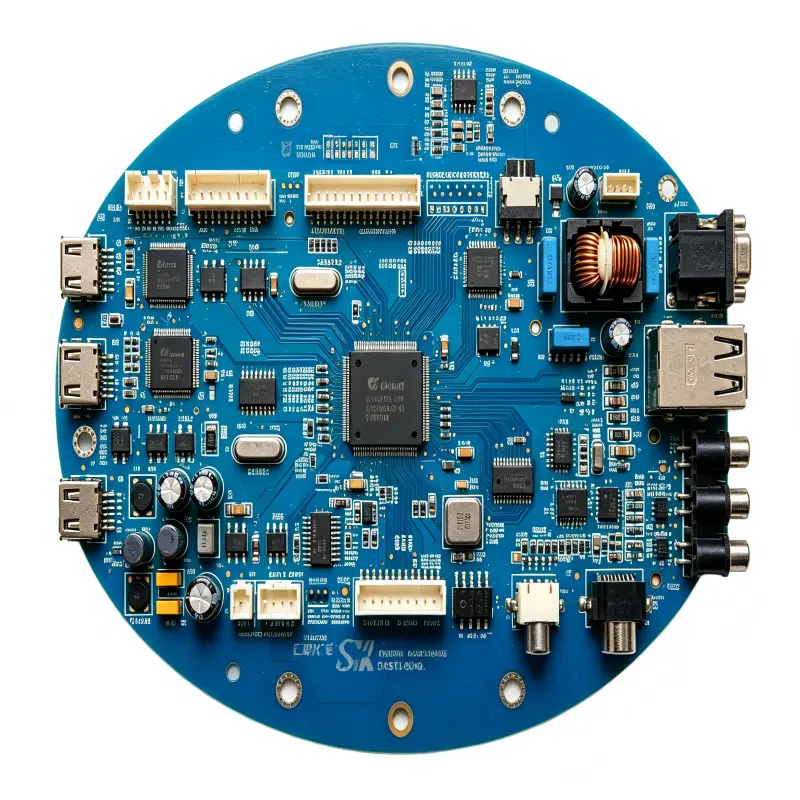
High-Quality Tablets PCBA Assembly--STHL Manufacturer, Service

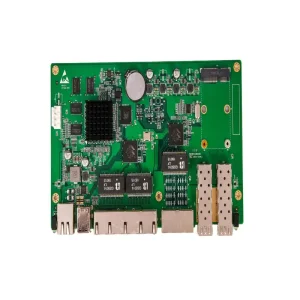
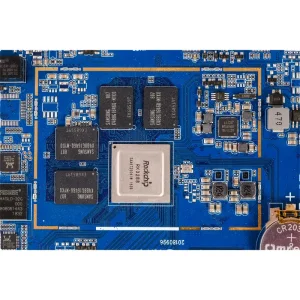
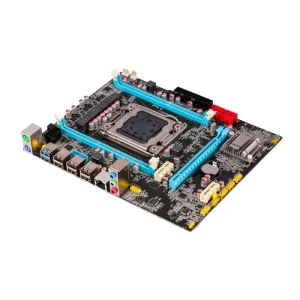
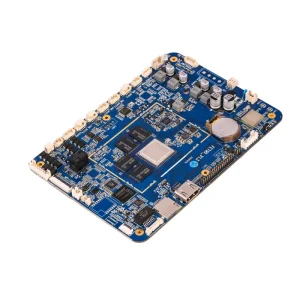
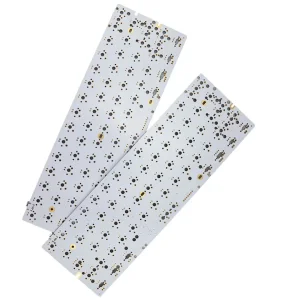
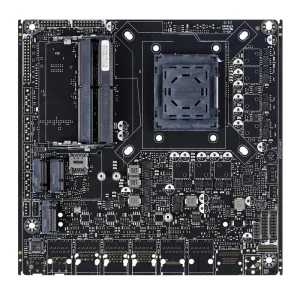
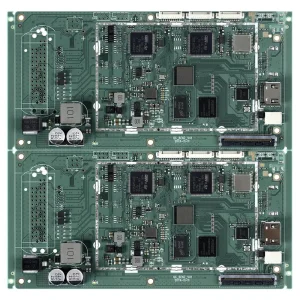
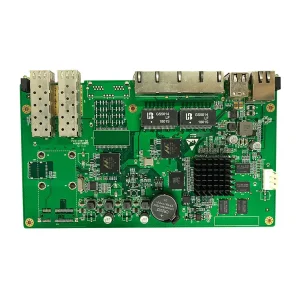
High-performance PCBA assembly optimized for tablets, adopting multi-layer board design and high heat dissipation path solutions. It balances the core needs of touch response, multi-tasking, and long battery life, enabling the tablet to achieve high-performance computing and stable network connection in a thin and light body. From educational tablets to audio-visual entertainment tablets, we ensure the reliability and compatibility of each circuit board through strict high and low temperature tests and automated production lines, helping products create a long-term user experience.

Product Description

Tablets PCBA Assembly
Early challenges in tablet adoption—such as weak display signal capture, electromagnetic interference (EMI), and insufficient internal circuit isolation—have been overcome by specialized PCBA assembly technologies, particularly rigid-flex PCBs and high-precision surface mount technology (SMT). These innovations effectively enhance the sensitivity of analog front-ends for capturing faint touch panel and wireless electrical signals, while integrating EMI shielding layers to eliminate interference from high-power chips and display components. Rigid-flex PCBs, in particular, balance compact slim form factors with reliable signal transmission, supporting the miniaturization of portable and lightweight tablet devices without compromising performance. This technological leap has enabled tablet PCBA assemblies to outperform traditional tablet circuits in key areas:

Advanced Rigid-Flex integration

Combines flexible layers with rigid boards to maximize space efficiency, support dynamic bending, and secure robust interconnectivity inside modern slim tablet frames.

EMI Shielding & Isolation

Features dedicated multi-layer shielding barriers that isolate high-frequency processors, preventing electromagnetic interference from degrading display or touchscreen responsiveness.

High-Precision SMT Placement

Implements ultra-precise surface mount processes to mount fine-pitch components safely, improving signal fidelity and reducing failure rates in highly integrated layouts.

Frequently Asked Questions (FAQ)

Q1: What are the main design challenges associated with Tablet PCBAs?

The primary challenges include managing weak analog display signal capture, mitigating severe electromagnetic interference (EMI) from high-power display/processor components, and maintaining circuit safety isolation within ultra-thin device layouts.

Q2: How does rigid-flex PCB technology benefit tablet designs?

Rigid-flex PCBs offer a crucial balance between compact, slim form factors and reliable signal transmission. By integrating flexible circuits, they eliminate the need for bulky connectors and wires, supporting device miniaturization without compromising performance.

Q3: What is the role of High-Precision SMT in tablet assembly?

High-precision Surface Mount Technology (SMT) is used to accurately place micro-sized components on the board. This ensures highly stable and reliable connections, enhancing the sensitivity of the analog front-end for touch panels and wireless modules.

Q4: How do tablet PCB assemblies handle electromagnetic interference (EMI)?

Modern tablet assemblies integrate specialized EMI shielding layers and optimized board layouts. This isolates high-power processing units from sensitive RF and display signal paths, preventing crosstalk and operational instability.

Q5: Does circuit isolation improve the reliability of tablet displays?

Yes, proper internal circuit isolation ensures that the analog signal pathways for display touch controls are kept free from noise generated by adjacent components, directly increasing touch response accuracy and consistency.
Related Products