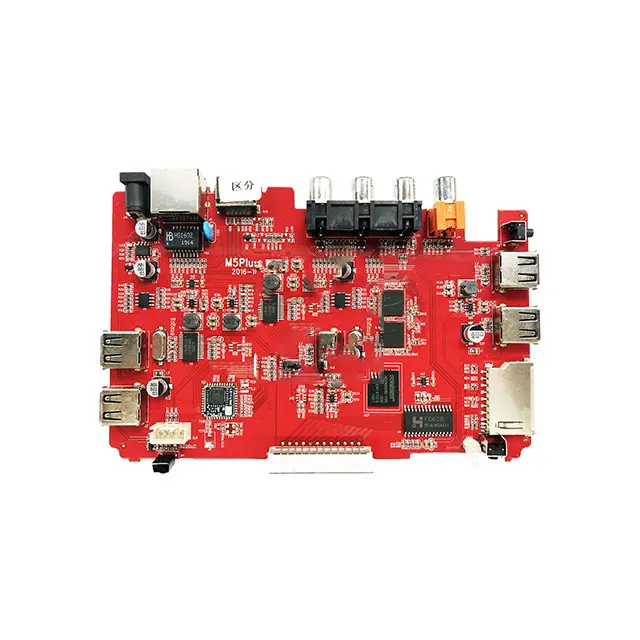
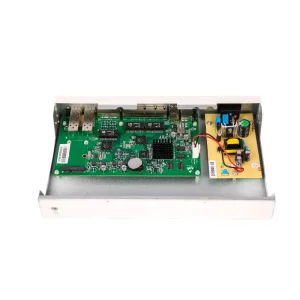
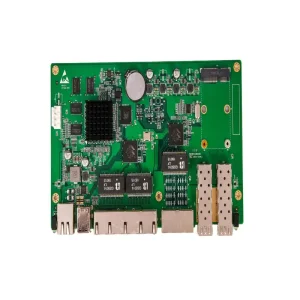
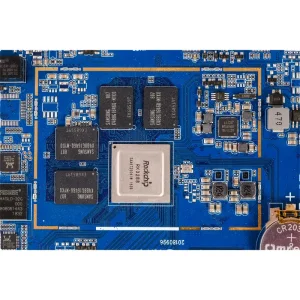
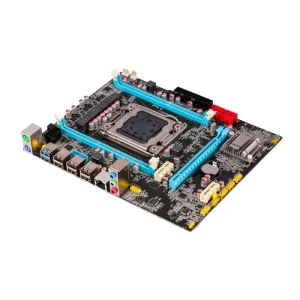
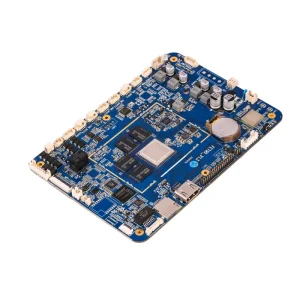
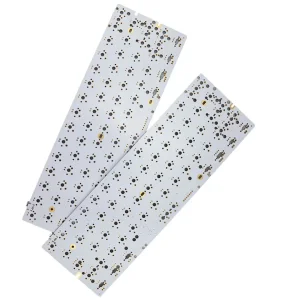
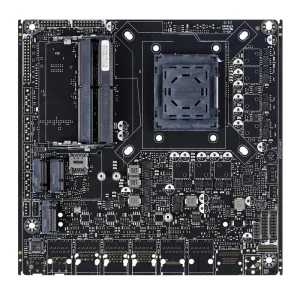
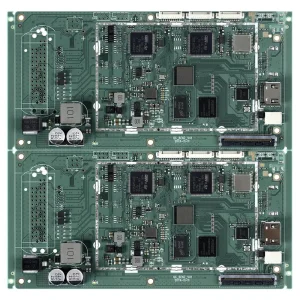
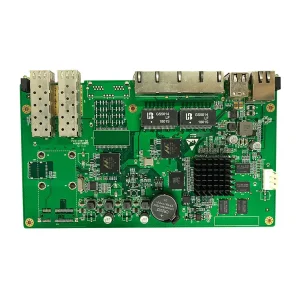
The wastewater monitoring equipment PCB is the "sewage quality control core" for industrial and municipal wastewater treatment. Engineered to withstand corrosive, high-moisture environments, it integrates sensors for chemical oxygen demand (COD), biochemical oxygen demand (BOD), suspended solids (SS), and heavy metals. Leveraging our 10000㎡ factory’s advanced testing equipment, it ensures stable data output with anti-fouling and self-cleaning circuit design, supporting online continuous monitoring and data upload to treatment systems. Applied in wastewater treatment plants, industrial discharge outlets, and rivers, helping control water pollution and ensure compliance with discharge standards.
Early challenges in wastewater monitoring equipment adoption—such as weak sensor signal capture, electromagnetic interference (EMI), and poor corrosion resistance in high-humidity, chemical-rich environments—have been overcome by specialized PCB assembly technologies, particularly anti-corrosion rigid PCBs and high-precision surface mount technology (SMT). These innovations effectively enhance the sensitivity of analog front-ends for capturing faint electrical signals induced by wastewater parameters (pH, COD, BOD, turbidity, and heavy metals), while integrating EMI shielding layers to eliminate interference from external electronic equipment and industrial ambient noise. Anti-corrosion rigid PCBs, in particular, balance compact form factors with reliable signal transmission, supporting the miniaturization of portable, fixed, and online wastewater monitoring devices without compromising detection accuracy. This technological leap has enabled wastewater monitoring equipment PCB assemblies to outperform traditional monitoring circuits in key areas:
High-Sensitivity Capture
Enhanced analog front-ends designed to capture weak electrical signals generated by critical wastewater parameters such as pH, COD, BOD, turbidity, and heavy metals.
EMI Shielding
Integrated EMI shielding layers engineered to eliminate external electronic noise and industrial ambient interference for cleaner data transmission.
Corrosion Resistance
Specialized anti-corrosion rigid PCBs designed specifically to withstand harsh, high-humidity, and chemical-rich wastewater environments.
Miniaturization
Saves valuable device space while ensuring reliable signal paths, supporting the development of compact portable and online monitoring devices.
Frequently Asked Questions
What were the early challenges in adopting wastewater monitoring equipment?
The primary early challenges included weak sensor signal capture, susceptibility to electromagnetic interference (EMI), and poor corrosion resistance in high-humidity, chemical-rich environments.
How does modern PCB assembly resolve signal capture limitations?
By utilizing specialized PCB assembly technologies, such as anti-corrosion rigid PCBs and high-precision Surface Mount Technology (SMT), the sensitivity of analog front-ends is significantly enhanced to capture faint electrical signals from wastewater.
Which wastewater parameters can these advanced PCBs help monitor?
They support the precise detection of critical wastewater parameters, including pH levels, Chemical Oxygen Demand (COD), Biochemical Oxygen Demand (BOD), turbidity, and the presence of heavy metals.
How is electromagnetic interference (EMI) addressed in these circuits?
The assembly process integrates dedicated EMI shielding layers that successfully isolate and eliminate noise originating from external electronic systems and industrial ambient environments.
Does miniaturization affect the accuracy of the monitoring devices?
No. Anti-corrosion rigid PCBs allow for a very compact form factor while maintaining reliable signal transmission, supporting portable, fixed, and online devices without compromising detection accuracy.
 STHL PCBA