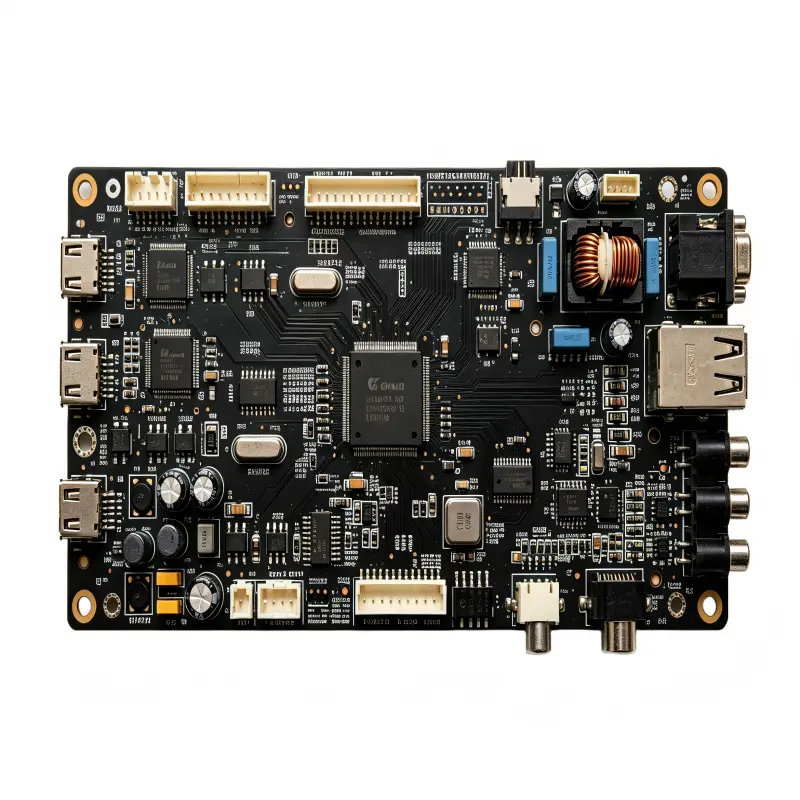
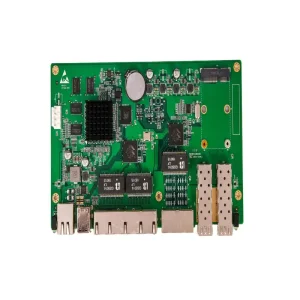
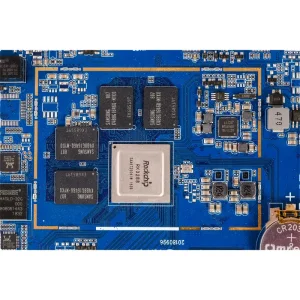
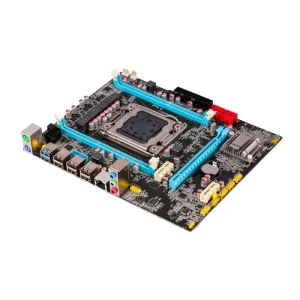
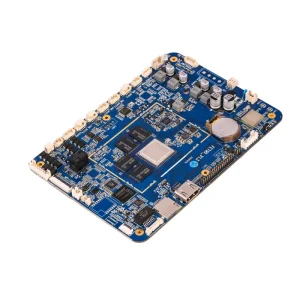
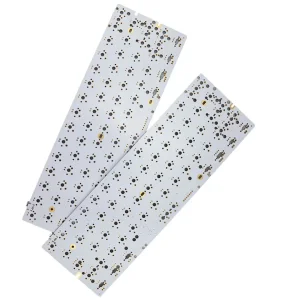
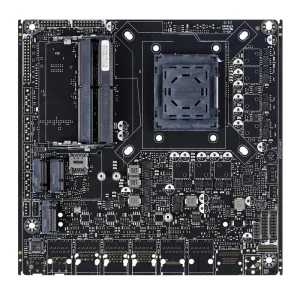
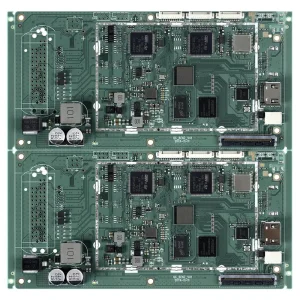
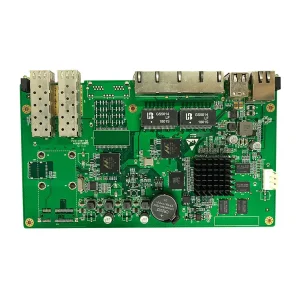
Specialized PCBA assembly for wireless routers, integrating multi-band radio frequency chips and high-speed data processing modules. As the "signal hub" of home and enterprise networks, it is responsible for receiving, forwarding, and distributing data, ensuring full-house WiFi coverage and concurrent connection of multiple devices. We adopt anti-interference PCB boards and optimized antenna routing design, and ensure the wall-penetrating ability, transmission rate, and long-term operation stability of the router through professional testing links, meeting the needs of home and small and medium-sized enterprise network scenarios.
Early challenges in wireless network router adoption—such as weak RF signal capture, severe electromagnetic interference (EMI), and unstable circuit isolation—have been overcome by specialized PCBA assembly technologies, particularly rigid-flex PCBs and high-precision surface mount technology (SMT). These innovations effectively enhance the sensitivity of analog front-ends for capturing faint wireless network electrical signals, while integrating multi-layer EMI shielding layers to eliminate interference from internal high-frequency chips and surrounding household electronic equipment. Rigid-flex PCBs, in particular, balance compact form factors with reliable high-speed signal transmission, supporting the miniaturization and lightweight design of home and industrial routers without compromising network stability. This technological leap has enabled wireless network router PCBA assemblies to outperform traditional network circuit boards in key areas:
Faint RF Signal Capture
Enhanced sensitivity in analog front-ends allows router circuit assemblies to reliably detect and process faint wireless network electrical signals.
Advanced EMI Shielding
Integrated multi-layer EMI shielding blocks internal interference from high-frequency chips as well as external household electronic noise.
Robust Signal Transmission
Rigid-flex PCBs balance miniature, space-saving layouts with highly stable, high-speed signal flow for home and industrial operations.
Frequently Asked Questions
Q: What were the main historical challenges in router PCBA layouts?
A: The most prominent challenges included weak radio frequency (RF) signal capture, severe electromagnetic interference (EMI) inside devices, and unstable circuit isolation.
Q: How is faint RF signal reception improved?
A: Modern PCBA manufacturing implements highly sensitive analog front-ends designed to catch and amplify weak wireless network electrical signals.
Q: What technology is used to eliminate electromagnetic interference (EMI)?
A: Engineers integrate multi-layer EMI shielding structures to isolate high-frequency internal chips from external electronic components.
Q: Why are rigid-flex PCBs used in wireless routers?
A: Rigid-flex PCBs allow for compact, space-optimized routing and lightweight designs while maintaining reliable, high-speed data transmission path stability.
Q: Are these specialized PCBA designs suitable for industrial routers?
A: Yes, these assembly technologies successfully support both consumer-grade home routers and harsh industrial routers without sacrificing signal stability.
Q: How does SMT contribute to overall router stability?
A: High-precision SMT (Surface Mount Technology) enables the dense and accurate placement of micro-components, ensuring stable electrical isolation across the board.
 STHL PCBA