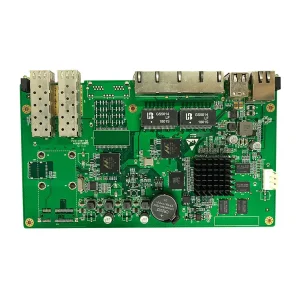
 STHL PCBA
1 / 1
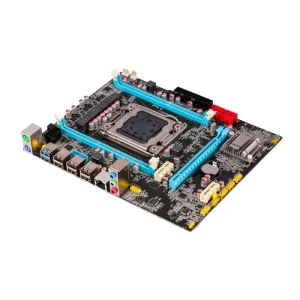
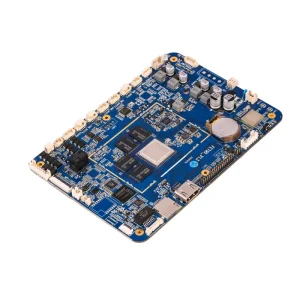
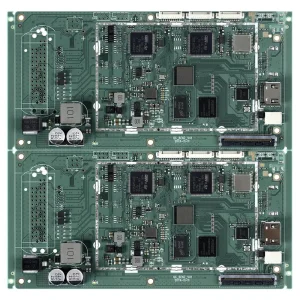
Early challenges in industrial waste gas online monitoring system adoption—such as weak gas sensor signal capture, electromagnetic interference (EMI), and poor corrosion resistance in high-temperature, toxic gas environments—have been overcome by specialized PCB assembly technologies, particularly anti-corrosion rigid-flex PCBs and high-precision surface mount technology (SMT). These innovations effectively enhance the sensitivity of analog front-ends for capturing faint gas-induced electrical signals (VOCs, sulfur dioxide, nitrogen oxides, and particulate matter), while integrating EMI shielding layers to eliminate interference from external industrial equipment and ambient noise. Anti-corrosion rigid-flex PCBs, in particular, balance compact form factors with reliable signal transmission, supporting the miniaturization of online and portable waste gas monitoring devices without compromising detection accuracy. This technological leap has enabled industrial waste gas online monitoring system PCB assemblies to outperform traditional monitoring circuits in key areas:
High-precision SMT and advanced analog front-ends enhance sensitivity, allowing the detection of trace gas-induced electrical signals.
Integrated multi-layer shielding eliminates electromagnetic interference from surrounding heavy industrial equipment and ambient noise.
Anti-corrosion rigid-flex materials ensure stable operation in high-temperature, toxic, and harsh gaseous environments.
Rigid-flex structures support compact form factors for portable gas detectors without sacrificing precision or reliability.
The primary challenges include capturing weak signal outputs from gas sensors, avoiding electromagnetic interference (EMI) in industrial settings, and resisting corrosion in high-temperature, toxic gas environments.
High-precision Surface Mount Technology (SMT) optimizes component layout and reduces signal loss. This enhances the sensitivity of the analog front-end to capture faint electrical changes caused by various trace gases.
Industrial sites generate substantial electromagnetic noise. Integrated EMI shielding layers prevent this interference from distorting the sensitive readings of gas sensors, maintaining data integrity.
They offer high structural resilience against corrosive agents and toxic gases while providing flexible routing capabilities, allowing reliable operation inside compact sensor enclosures.
No. Through advanced multi-layer and rigid-flex PCB designs, components are integrated tightly with optimized routing, enabling compact and portable monitors to perform with the same high accuracy as stationary systems.
The assemblies support sensors that detect a wide variety of compounds, including Volatile Organic Compounds (VOCs), sulfur dioxide, nitrogen oxides, and particulate matter.