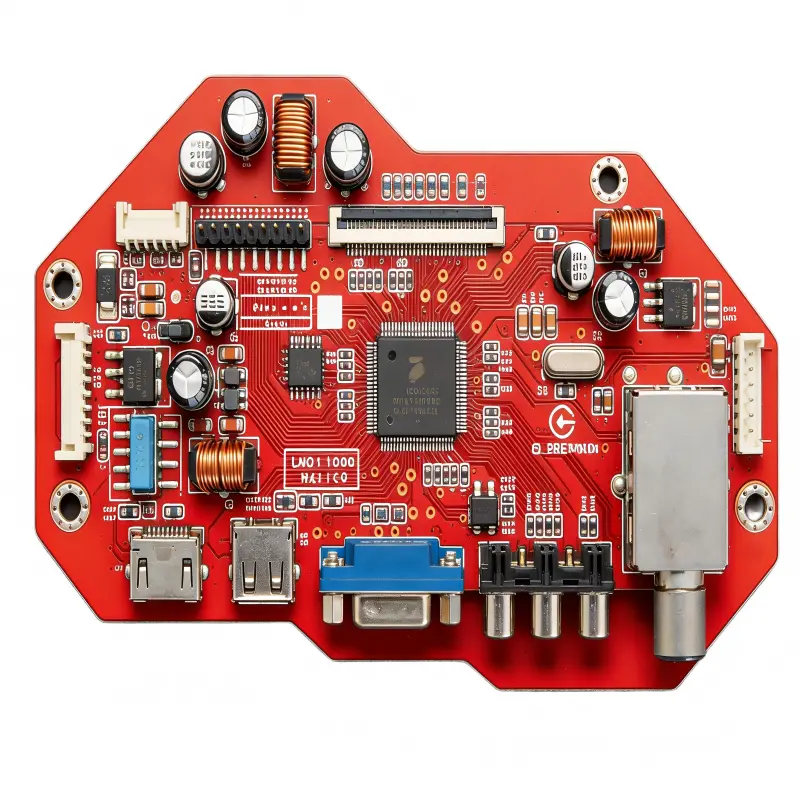
OEM Access Control System PCB Assembly--STHL Manufacturers, Factories

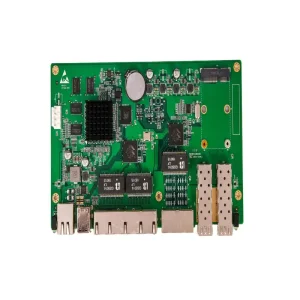
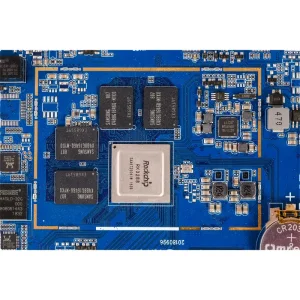
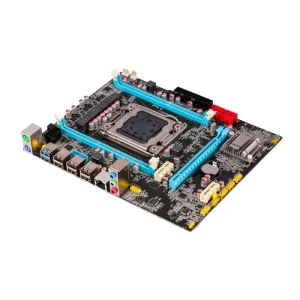
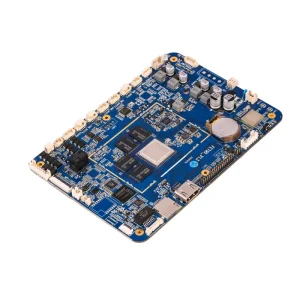
 Access control system PCBs are the central control carrier of intelligent access management, integrating multi-dimensional user identity verification processing, electric door lock drive control and complete access record storage functions. Compatible with card readers, fingerprint biometric sensors, face recognition modules and multi-network communication interfaces, they support localized and networked access management modes. With scalable circuit design and secure data encryption, they can flexibly expand functional modules to meet the access control needs of office buildings, residential communities, parking lots and various restricted management areas.

Product Description

Access Control System PCB Assembly

Early challenges in access control system adoption—such as weak identification signal capture, electromagnetic interference (EMI), and unstable authorization circuit isolation—have been overcome by specialized PCB assembly technologies, particularly rigid-flex PCBs and high-precision surface mount technology (SMT). These innovations effectively enhance the sensitivity of analog front-ends for capturing faint card induction and biometric electrical signals, while integrating EMI shielding layers to eliminate interference from building electrical circuits and surrounding intelligent equipment. Rigid-flex PCBs, in particular, balance compact form factors with reliable signal transmission, supporting the miniaturization of wall-mounted and embedded access control terminals without recognizing failure and delay. This technological leap has enabled access control system PCB assemblies to outperform traditional security access circuits in key areas:

EMI Shielding Layers

Eliminates electrical interference from building electrical circuits and nearby intelligent hardware, securing uninterrupted authorization flows.

Faint Signal Capture

Boosts the sensitivity of analog front-ends, ensuring responsive and highly precise capture of biometric inputs and card inductions.

Rigid-Flex Miniaturization

Integrates space-saving rigid-flex PCB configurations that streamline wall-mounted and embedded structures without latency or failures.
Frequently Asked Questions
What are the primary operational challenges of traditional access control circuits?
Traditional circuits frequently suffer from weak identification signal capture, vulnerability to electromagnetic interference (EMI), and unstable circuit isolation during authorization processes.
How does high-precision SMT technology improve biometric access control?
High-precision Surface Mount Technology (SMT) enhances the sensitivity of the analog front-ends on the PCB, allowing them to capture faint electrical card induction and biometric signals with superior accuracy.
Why is EMI shielding crucial for modern access control PCB assembly?
Access control systems are typically installed close to building power grids and other smart devices. Embedded EMI shielding layers block interference from these external circuits, ensuring consistent operational stability.
What role do rigid-flex PCBs play in terminal miniaturization?
Rigid-flex PCBs combine the durability of rigid boards with the flexibility of flexible circuits, balancing compact layouts with reliable signal routing. This allows manufacturers to scale down the size of wall-mounted and embedded terminals.
Do these advanced PCB assemblies eliminate recognition delays?
Yes. By optimizing signal transmission paths and isolating high-frequency components, specialized PCB assembly technologies successfully eliminate recognition failures and response delays in access control terminals.

Related Products