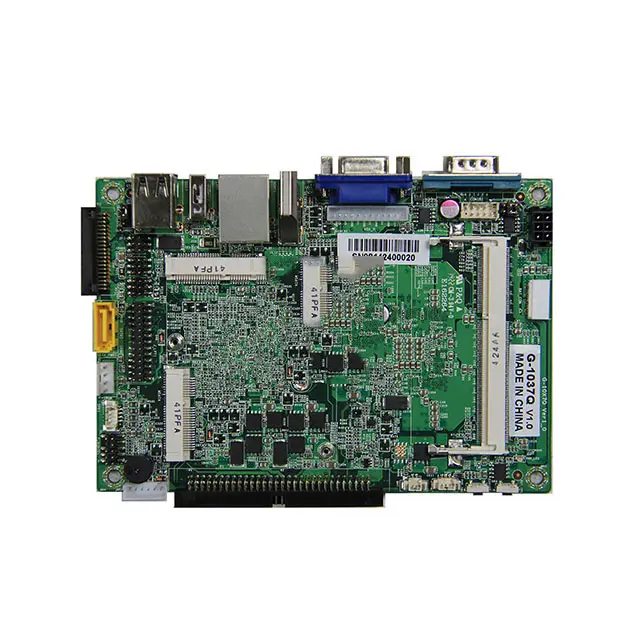
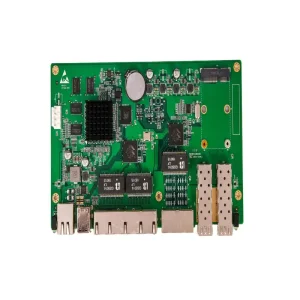
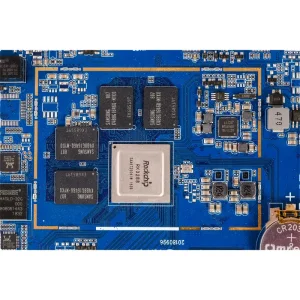
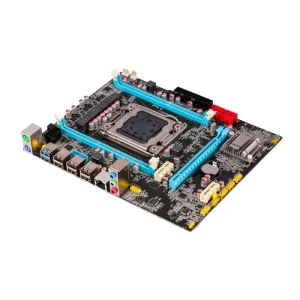
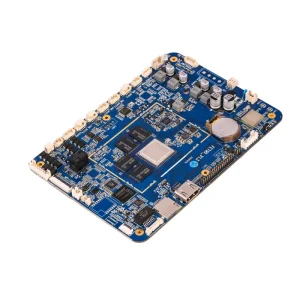
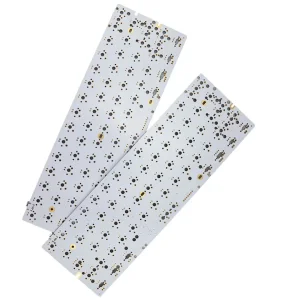
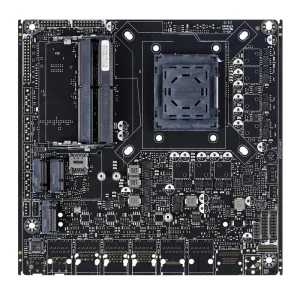
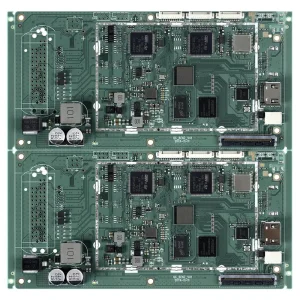
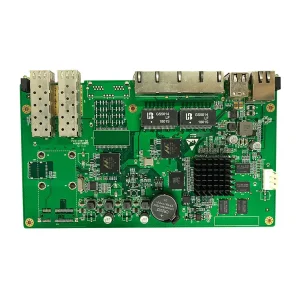
Advanced Driver Assistance Systems (ADAS) Domain Controller is the core component of automotive intelligent driving, integrating and processing data from various ADAS sensors, and issuing control commands to ensure driving safety. Its performance relies on high-precision, high-reliability PCBA assembly. Our ADAS Domain Controller PCBA processing leverages 19+ years of manufacturing experience and advanced assembly technology, ensuring stable signal transmission and efficient data processing. It can handle large amounts of real-time data from radar, cameras, and LiDAR, supporting functions such as automatic braking, lane keeping, and adaptive cruise. Built to resist electromagnetic interference and high temperature, it meets the high requirements of intelligent driving electronic components. With 2 finished product assembly lines, we provide reliable PCBA solutions for ADAS Domain Controllers.
Advanced Driver Assistance Systems (ADAS) Domain Controller PCB Assembly
Early challenges in ADAS domain controller PCB adoption—such as weak multi-sensor signal capture, severe electromagnetic interference (EMI), and poor electrical safety isolation in automotive intelligent driving scenarios—have been overcome by specialized PCB assembly technologies, particularly rigid-flex PCBs and high-precision surface mount technology (SMT). These innovations effectively enhance the sensitivity of analog front-ends for capturing faint ADAS control signals (camera, radar, lidar data, vehicle status), while integrating EMI shielding layers to eliminate interference from vehicle powertrain, electrical systems, and external environmental noise. Rigid-flex PCBs, in particular, balance compact form factors with reliable high-speed signal transmission, supporting the miniaturization of ADAS domain controller modules without compromising intelligent driving performance and driving safety. This technological leap has enabled ADAS domain controller PCB assemblies to outperform traditional ADAS control circuits in key areas.
Key Technical Solutions Featured
Rigid-Flex PCBs
Balances compact form factors with reliable high-speed signal transmission, supporting the overall miniaturization of modules.
High-Precision SMT
Enhances the sensitivity of analog front-ends to successfully capture faint multi-sensor driving signals.
Integrated EMI Shielding
Eliminates signal interference generated by vehicle powertrains, electrical systems, and external environmental noises.
Advanced Signal Isolation
Overcomes poor electrical safety isolation to protect intelligent driving systems and maintain stability.
Frequently Asked Questions
Q:
What primary challenges did early ADAS domain controller PCBs face?
Early adoption was challenged by weak multi-sensor signal capture, severe electromagnetic interference (EMI), and poor electrical safety isolation in automotive intelligent driving scenarios.
Q:
How does high-precision SMT improve ADAS signal capture?
High-precision SMT enhances the sensitivity of analog front-ends, allowing them to capture faint control signals from cameras, radar, lidar, and general vehicle status data.
Q:
Why are rigid-flex PCBs preferred for ADAS domain controllers?
Rigid-flex PCBs offer a balance between compact form factors and reliable high-speed signal transmission, which is critical for module miniaturization without compromising performance.
Q:
How is electromagnetic interference (EMI) mitigated in these assemblies?
Specialized PCB assembly technologies integrate dedicated EMI shielding layers to eliminate interference from the vehicle powertrain, electrical systems, and external noise.
Q:
Do these PCB advancements impact vehicle safety?
Yes, by resolving electrical safety isolation and signal integrity issues, these technologies directly support safer, more reliable intelligent driving performance.
 STHL PCBA