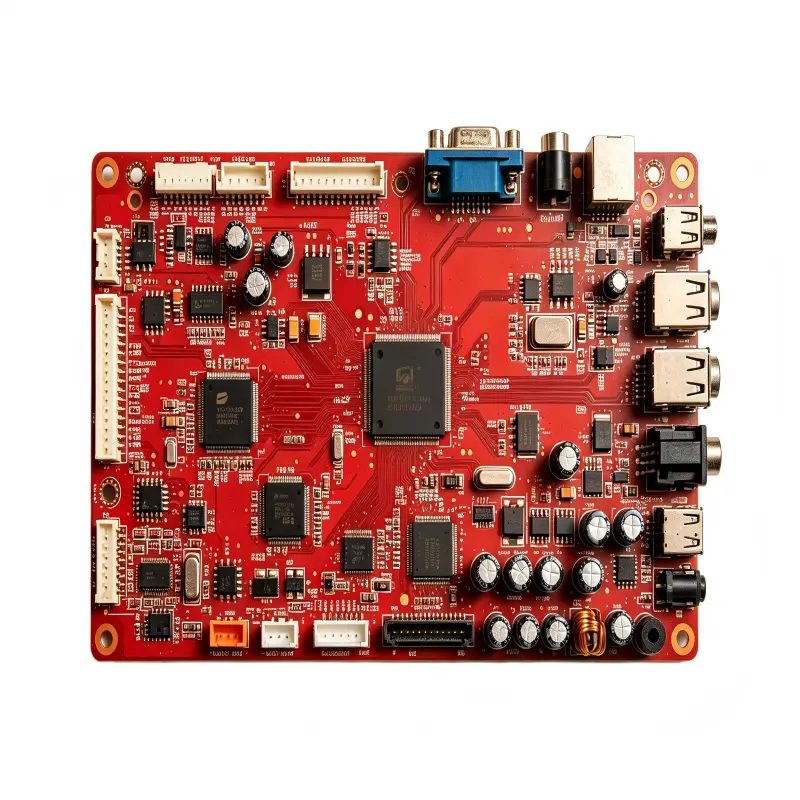
OEM Car Navigation Systems PCBA Assembly--STHL Service, Factories

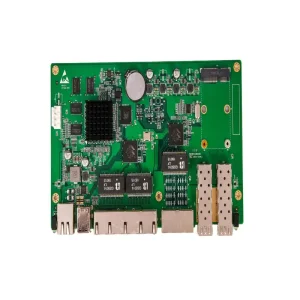
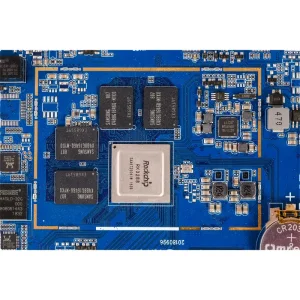
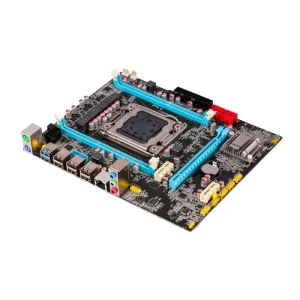
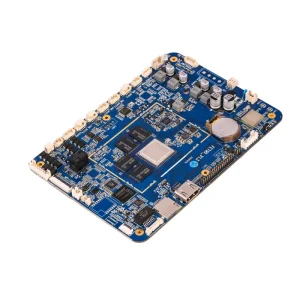
Core PCBA assembly for car navigation systems, integrating GPS positioning modules, display drivers, map processing chips, and audio output circuits. It provides accurate positioning, real-time navigation, and voice prompts for drivers, helping to improve travel efficiency. We optimize the positioning accuracy and signal reception ability, ensure stable operation of the navigation system in complex road conditions, and support functions such as offline maps and traffic information push, adapting to various models of car navigation systems.

Product Description

Car Navigation Systems PCBA Assembly

Early challenges in car navigation system adoption—such as weak satellite signal capture, severe on-board electromagnetic interference (EMI), and insufficient vehicle-grade circuit safety isolation—have been overcome by specialized PCBA assembly technologies, particularly rigid-flex PCBs and high-precision surface mount technology (SMT).

Signal Sensitivity

Enhances the sensitivity of analog front-ends to effectively capture faint satellite positioning and navigation electrical signals.

EMI Shielding

Integrates high-efficiency EMI shielding layers to eliminate interference from vehicle power systems, engines, and other on-board electronic modules.

Rigid-Flex Layout

Balances compact embedded form factors with stable high-speed signal transmission, supporting miniaturized and integrated designs.

These innovations effectively enhance the sensitivity of analog front-ends for capturing faint satellite positioning and navigation electrical signals, while integrating high-efficiency EMI shielding layers to eliminate interference from vehicle power systems, engines and other on-board electronic modules. Rigid-flex PCBs, in particular, balance compact embedded form factors with stable high-speed signal transmission, supporting the miniaturized and integrated design of car navigation devices without compromising positioning accuracy and operating fluency. This technological leap has enabled car navigation system PCBA assemblies to outperform traditional vehicle navigation circuits in key areas.
Frequently Asked Questions

Q: What were the early challenges in car navigation system adoption?
Early challenges included weak satellite signal capture, severe electromagnetic interference (EMI) on-board, and insufficient vehicle-grade circuit safety isolation.
Q: How is weak satellite signal capture resolved in modern PCBA designs?
Modern designs employ specialized PCBA assembly technologies, such as high-precision surface mount technology (SMT), to enhance the sensitivity of analog front-ends for capturing faint positioning signals.
Q: What role do rigid-flex PCBs play in car navigation systems?
Rigid-flex PCBs balance compact embedded form factors with stable high-speed signal transmission. This supports miniaturized and integrated designs without sacrificing device accuracy or performance.
Q: How does the PCBA eliminate electromagnetic interference (EMI)?
By integrating high-efficiency EMI shielding layers, the assembly successfully blocks interference coming from the vehicle’s power systems, engines, and other adjacent electronic modules.
Q: Why are these specialized PCBA technologies preferred over traditional circuits?
They allow car navigation systems to maintain reliable operating fluency, accurate positioning, and stable communication in complex, noise-heavy vehicle environments, outperforming older circuit formats.

Related Products