Home >
PCBA Application >
OEM Electronic Flight Instrument System (EFIS) PCBA Assembly--STHL Manufacturers, Factories
1 / 1
OEM Electronic Flight Instrument System (EFIS) PCBA Assembly--STHL Manufacturers, Factories
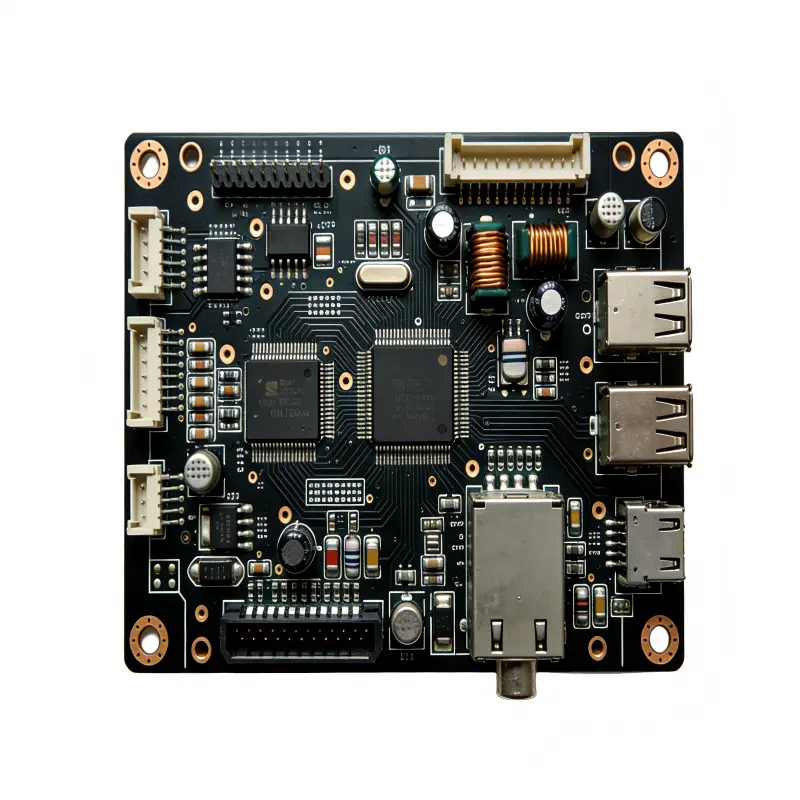
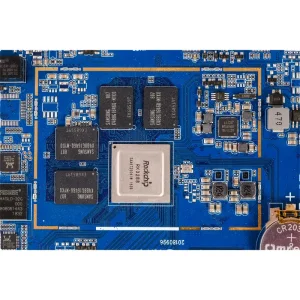
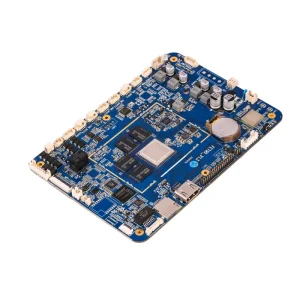
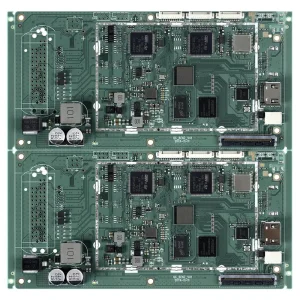
Electronic Flight Instrument System (EFIS) PCBA is the core of modern aircraft glass cockpits, replacing traditional mechanical instruments with integrated digital displays. It integrates display drivers, high-performance data processing chips, and multi-system communication modules, clearly presenting key flight parameters such as attitude, altitude, airspeed, and navigation information on high-definition screens. The PCBA supports multi-instrument integration, reducing cockpit clutter and improving pilot situational awareness. Optimized for low power consumption and high stability, it adapts to long-term flight operations, with our strict quality control and 2 DIP production lines ensuring compliance with aviation industry standards.
Electronic Flight Instrument System (EFIS) PCBA Assembly
Early challenges in Electronic Flight Instrument System (EFIS) PCBA adoption—such as weak flight data signal capture, intense electromagnetic interference (EMI), and poor display stability isolation in aviation environments—have been overcome by specialized PCB assembly technologies, particularly rigid-flex PCBs and high-precision surface mount technology (SMT).
These innovations effectively enhance the sensitivity of analog front-ends for capturing faint flight data signals (altitude, speed, attitude, navigation information), while integrating high-performance EMI shielding layers to eliminate interference from aircraft avionics, engines, and external electromagnetic disturbances. Rigid-flex PCBs, in particular, balance compact form factors with reliable high-speed signal transmission, supporting the miniaturization and integration of EFIS devices without compromising display clarity and data accuracy.
Key Performance Advancements
Enhanced sensitivity of analog front-ends for capturing faint flight data signals (altitude, speed, attitude, navigation information).
High-performance EMI shielding layers integrated to eliminate interference from aircraft avionics, engines, and external electromagnetic disturbances.
Rigid-flex PCBs balance compact form factors with reliable high-speed signal transmission, supporting miniaturization and integration without compromising performance.
Frequently Asked Questions (FAQ)
What are the main challenges in EFIS PCBA design?
The main challenges include capturing faint flight data signals, managing intense electromagnetic interference (EMI) from avionics and engines, and ensuring display stability isolation within harsh aviation environments.
How do rigid-flex PCBs benefit EFIS systems?
Rigid-flex PCBs balance a compact form factor with highly reliable, high-speed signal transmission. This supports the miniaturization and integration of EFIS devices while ensuring display clarity and data accuracy.
Why is EMI shielding critical for avionics PCB assembly?
Aircraft generate significant electromagnetic noise from engines and avionics. High-performance EMI shielding layers are essential to isolate sensitive instrument circuits and prevent data distortion.
What role does SMT play in these advanced boards?
High-precision Surface Mount Technology (SMT) is used to assemble miniature components with high density, ensuring the robust electrical connections required to withstand severe flight conditions.
Can EFIS PCBAs capture multi-channel flight data reliably?
Yes, advanced analog front-ends designed with specialized PCB technologies significantly improve signal sensitivity, allowing reliable capturing of altitude, speed, attitude, and navigation info.
 STHL PCBA