OEM Environmental Monitoring Station PCB Assembly Service, Factories

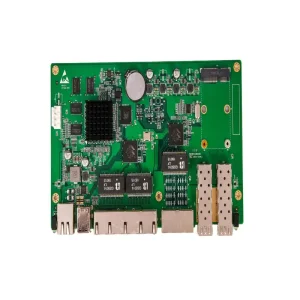
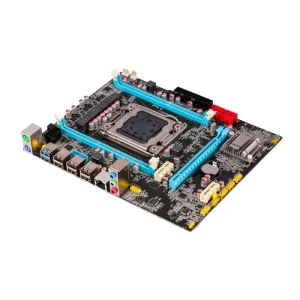
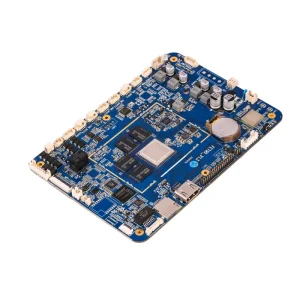
The environmental monitoring station PCB is the "central control core" for integrated environmental monitoring systems. Designed as the hub of fixed monitoring stations, it withstands indoor/outdoor installation environments, integrating multi-parameter sensor interfaces, data processing, storage, and communication modules. Leveraging our factory’s comprehensive production capabilities (7 SMT + 2 DIP lines), it coordinates air, water, soil, and weather sensors to collect, process, and transmit environmental data to regional monitoring networks. Suitable for urban, industrial, and ecological monitoring stations, providing comprehensive, reliable environmental data for decision-making.​

Product Description

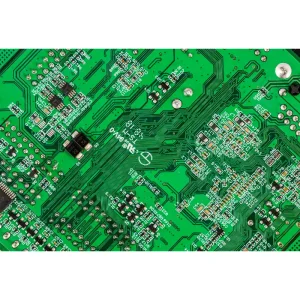
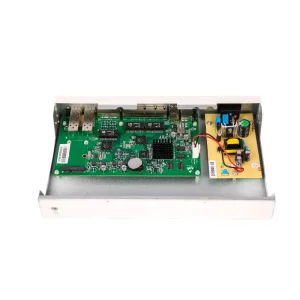
Environmental Monitoring Station PCB Assembly

Early challenges in environmental monitoring station adoption—such as weak environmental signal capture, electromagnetic interference (EMI), and poor stability in harsh outdoor environments—have been overcome by specialized PCB assembly technologies, particularly rigid-flex PCBs and high-precision surface mount technology (SMT). These innovations effectively enhance the sensitivity of analog front-ends for capturing faint environmental signals (including temperature, humidity, PM2.5, and gas concentration), while integrating EMI shielding layers to eliminate interference from external electronic devices and outdoor electromagnetic sources. Rigid-flex PCBs, in particular, balance compact form factors with reliable signal transmission, supporting the miniaturization of fixed and portable environmental monitoring stations without compromising detection accuracy. This technological leap has enabled environmental monitoring station PCB assemblies to outperform traditional environmental monitoring circuits in key areas:
Frequently Asked Questions

What are the main challenges in Environmental Monitoring Station PCB Assembly?
The main challenges include capturing very weak environmental signals, preventing electromagnetic interference (EMI) from outdoor sources, and ensuring the device remains highly stable and operational in harsh, changing outdoor environments.
How do rigid-flex PCBs improve environmental monitoring stations?
Rigid-flex PCBs offer a perfect balance between a compact, space-saving design and highly reliable signal transmission. This enables the design of smaller, portable or fixed monitoring units without sacrificing detection quality.
Why is EMI shielding essential for environmental monitoring PCBs?
Since environmental signals like temperature, humidity, gas concentration, and PM2.5 are often faint, external electromagnetic noise can easily corrupt the data. High-performance EMI shielding layers eliminate this noise to ensure accurate detection.
What specific parameters can these specialized PCB assemblies detect?
These assemblies feature high-sensitivity analog front-ends specifically optimized to capture faint environmental changes, including temperature fluctuations, humidity levels, PM2.5 particulate matter, and various ambient gas concentrations.
How does high-precision SMT technology enhance stability?
High-precision Surface Mount Technology (SMT) guarantees accurate component placement and robust solder connections. This ensures long-term electrical stability, mechanical durability, and resistance to environmental stress.

Related Products