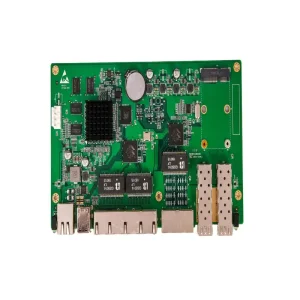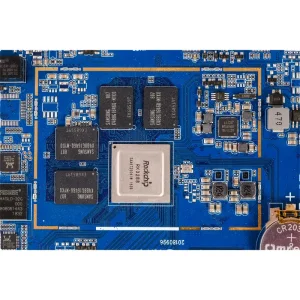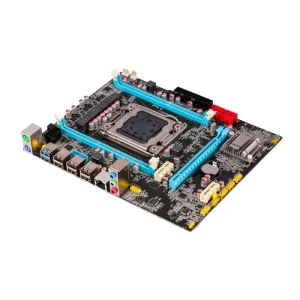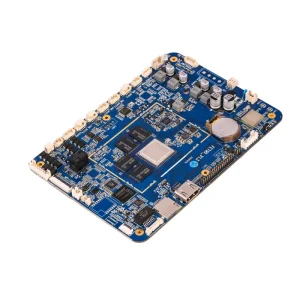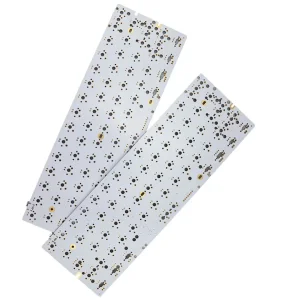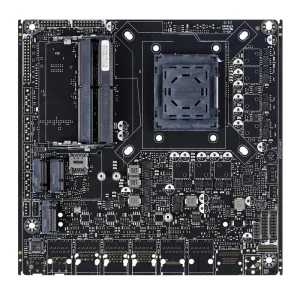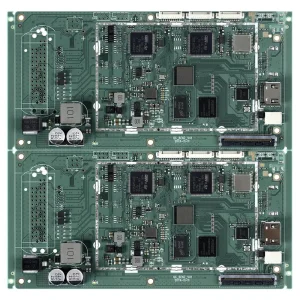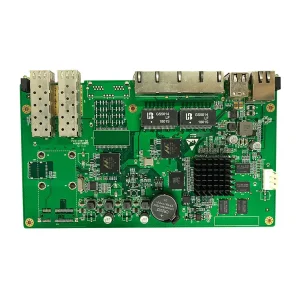
OEM Head-Up Display (HUD) PCB Assembly Service, Factory

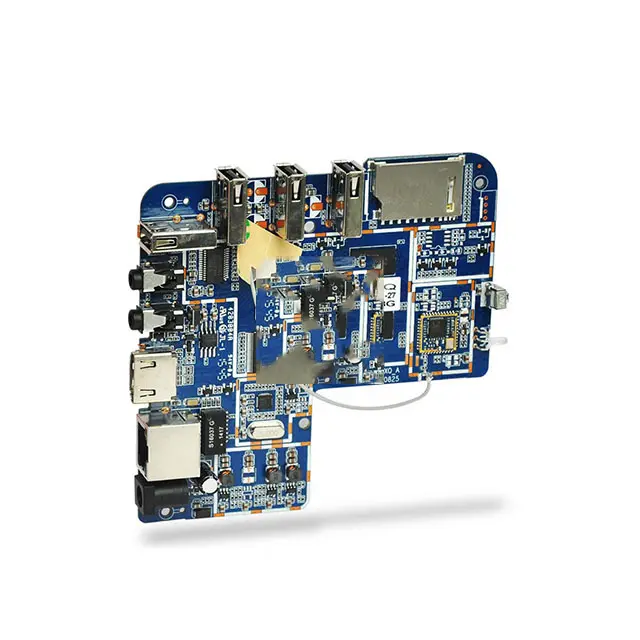
Head-Up Display (HUD) projects key vehicle information such as speed, navigation, and warning signals onto the windshield, allowing drivers to view information without lowering their heads, improving driving safety. Its stable performance depends on high-quality PCBA assembly. Our HUD PCBA processing uses high-reliability components and precise assembly technology, ensuring clear projection, stable brightness, and fast response. It can adjust projection angle and brightness according to driving conditions, adapting to different light environments. Built to withstand vibration and high temperature in the vehicle, it has strong anti-interference ability. With 19+ years of PCBA manufacturing experience, we provide reliable HUD PCBA assembly services, meeting the high standards of automotive intelligent cockpit systems.

Product Description

💡 Advanced PCB Assembly Technologies & Solutions

Early challenges in HUD PCB adoption—such as weak projection signal capture, severe electromagnetic interference (EMI), and poor electrical safety isolation in automotive HUD scenarios—have been overcome by specialized PCB assembly technologies, particularly rigid-flex PCBs and high-precision surface mount technology (SMT). These innovations effectively enhance the sensitivity of analog front-ends for capturing faint HUD signals (vehicle parameters, navigation guidance, safety alerts), while integrating EMI shielding layers to eliminate interference from vehicle powertrain, electrical systems, and external environmental noise. Rigid-flex PCBs, in particular, balance compact form factors with reliable high-speed signal transmission, supporting the miniaturization of HUD modules without compromising projection clarity and system stability. This technological leap has enabled HUD PCB assemblies to outperform traditional HUD circuits in key areas.
Frequently Asked Questions
Q: How do modern HUD PCB assemblies overcome early challenges like weak projection signals?
Modern HUD PCB assemblies resolve these issues by using specialized technologies like rigid-flex PCBs and high-precision Surface Mount Technology (SMT). These innovations significantly improve the sensitivity of analog front-ends to capture faint signals such as vehicle parameters and safety alerts.
Q: What role does EMI shielding play in automotive HUD systems?
Integrated EMI shielding layers eliminate electromagnetic interference originating from the vehicle’s powertrain, electrical systems, and external environmental noise, ensuring clean signal transmission and reliable operation.
Q: Why are rigid-flex PCBs preferred for HUD modules?
Rigid-flex PCBs perfectly balance compact form factors with stable, high-speed signal transmission. This supports the physical miniaturization of HUD modules without compromising projection clarity.
Q: What signals do automotive HUD PCB assemblies need to capture?
They are designed to capture faint analog front-end HUD signals, including real-time vehicle parameters, navigation guidance, and vital driver safety alerts.
Q: In what ways do advanced HUD PCB assemblies outperform traditional circuits?
They deliver superior signal sensitivity, enhanced electromagnetic isolation, stronger electrical safety, and better space efficiency, making them far more stable under harsh automotive conditions.

Related Products