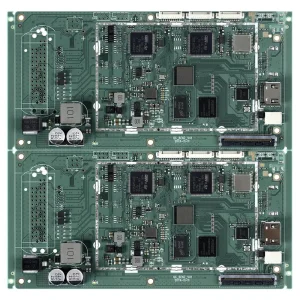
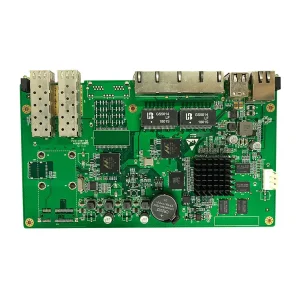
 STHL PCBA
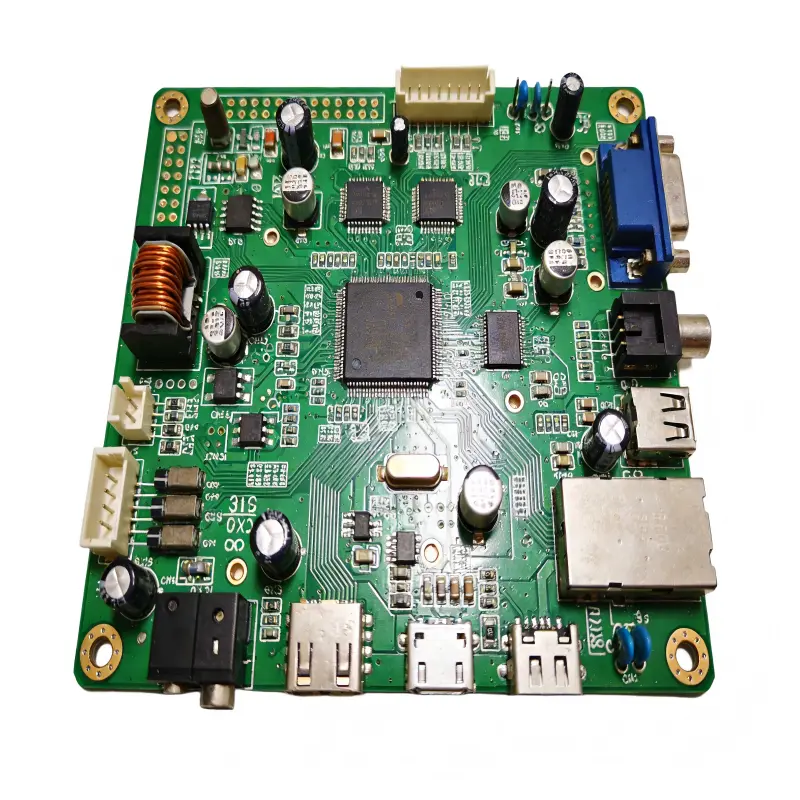
1 / 1
Early challenges in Heads-Up Display (HUD) PCBA adoption—such as weak flight data signal capture, intense electromagnetic interference (EMI), and poor projection stability isolation in aviation environments—have been overcome by specialized PCB assembly technologies, particularly rigid-flex PCBs and high-precision surface mount technology (SMT). These innovations effectively enhance the sensitivity of analog front-ends for capturing faint core flight signals (attitude, altitude, airspeed, navigation cues), while integrating high-performance EMI shielding layers to eliminate interference from aircraft avionics, engines, and external electromagnetic disturbances. Rigid-flex PCBs, in particular, balance compact form factors with reliable high-speed signal transmission, supporting the miniaturization and integration of HUD devices without compromising projection clarity and real-time data overlay. This technological leap has enabled Heads-Up Display (HUD) PCBA assemblies to outperform traditional HUD circuits in key areas:
Enhanced analog front-ends designed to capture faint core flight signals such as attitude, altitude, airspeed, and navigation cues.
Integrated high-performance shielding layers to eliminate electromagnetic interference from avionics, engines, and external disturbances.
Rigid-flex PCBs that optimize space and ensure reliable high-speed signal transmission without sacrificing projection clarity.