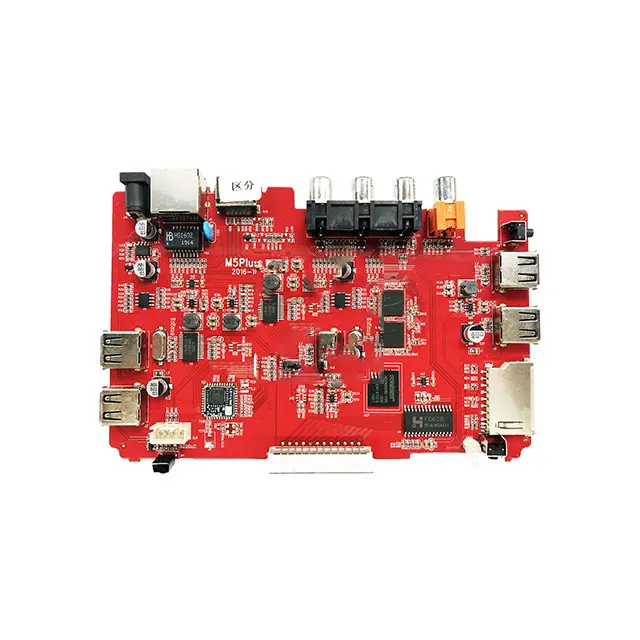
OEM Inverters PCBA Assembly Manufacturer, Manufacturers

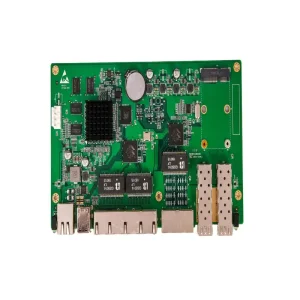
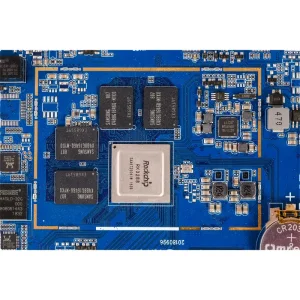
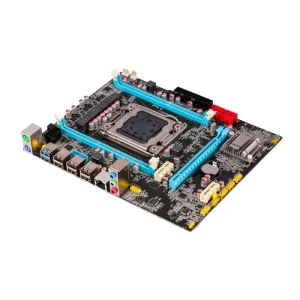
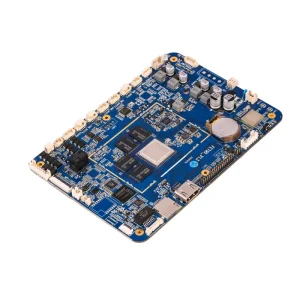
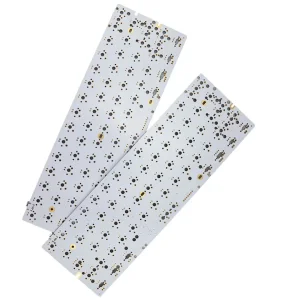
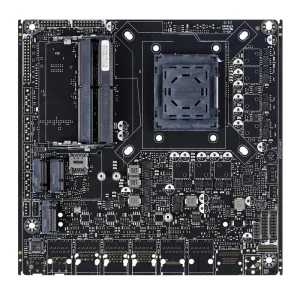
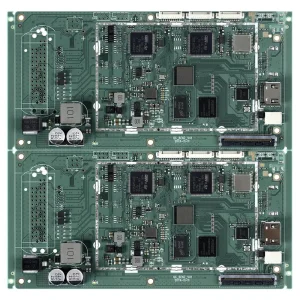
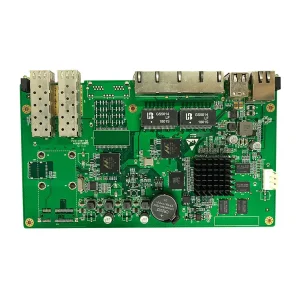
Inverter PCBs are key components that efficiently convert direct current (DC) to adjustable alternating current (AC) with precise voltage and frequency control. Widely used in motor drives, industrial power systems, fans, pumps, and automation equipment, these boards deliver stable, energy-efficient power conversion even in demanding operating environments. They integrate advanced power electronics, drive circuits, and protection mechanisms to deliver smooth speed regulation, high torque, and low harmonic distortion. Designed for high reliability and thermal stability, they resist electromagnetic interference and support long-term continuous operation. Our assembly emphasizes high-precision layout, robust thermal design, and reliable component integration to maximize conversion efficiency and operational safety. By maintaining consistent frequency and voltage output, these PCBs improve energy efficiency, extend equipment life, and ensure stable performance for a wide range of industrial applications.

Product Description

Inverters PCBA Assembly

Early challenges in inverters PCBA adoption—such as weak AC/DC conversion signal capture, severe electromagnetic interference (EMI), and poor electrical isolation in high-power energy scenarios—have been overcome by specialized PCB assembly technologies, particularly high-power rigid-flex PCBs and high-precision surface mount technology (SMT).

Enhanced Sensitivity
These innovations effectively enhance the sensitivity of analog front-ends for capturing faint voltage and current conversion signals.
EMI Shielding
Integrating multi-layer EMI shielding layers eliminates interference from power grids, renewable energy sources, and external electrical equipment.
Miniaturization & Reliability
Rigid-flex PCBs balance compact form factors with reliable high-frequency signal transmission, supporting the miniaturization of inverter modules without compromising conversion efficiency and operational safety.

This technological leap has enabled inverters PCBA assemblies to outperform traditional conversion circuits in key performance, integration, and safety standards.
Frequently Asked Questions

Q What were the early challenges in inverters PCBA adoption?
The primary challenges included weak AC/DC conversion signal capture, severe electromagnetic interference (EMI), and poor electrical safety isolation in high-power energy scenarios.
Q How do modern PCB assembly technologies overcome these challenges?
They leverage specialized technologies, particularly high-power rigid-flex PCBs and high-precision surface mount technology (SMT), to improve conversion signal sensitivity and overall performance.
Q How is electromagnetic interference (EMI) mitigated?
Multi-layer EMI shielding layers are integrated within the PCB design to isolate and eliminate external interference from power grids, renewable energy sources, and adjacent electrical equipment.
Q What are the benefits of using rigid-flex PCBs in inverters?
Rigid-flex PCBs offer a compact design while ensuring reliable high-frequency signal transmission, which aids in miniaturizing inverter modules without reducing conversion efficiency or safety.
Q How do modern inverters PCBA compare to traditional circuits?
Due to advanced shielding, high-precision assembly, and robust signal transmission, modern PCBA assemblies deliver higher conversion efficiency, better noise reduction, and enhanced operational safety.

Related Products