 STHL PCBA
1 / 1
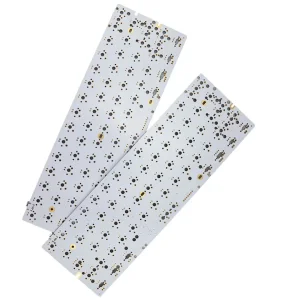
Early challenges in LED Flexible Strip Light PCB Assembly adoption—such as uneven light output, electromagnetic interference (EMI), and poor mechanical flexibility isolation—have been overcome by specialized PCB assembly technologies, particularly flexible PCBs and high-precision surface mount technology (SMT). These innovations effectively enhance the stability of LED drive circuits for delivering uniform light emission, while integrating EMI shielding layers to eliminate interference from external power supplies and electronic devices. Flexible PCBs, in particular, balance ultra-flexible form factors with reliable current transmission, supporting the bendability, twistability and miniaturization of LED flexible strip lights without compromising light performance. This technological leap has enabled LED Flexible Strip Light PCB Assemblies to outperform traditional LED flexible strip circuits in key areas:
High-precision SMT stabilizes the LED drive circuits to ensure consistent voltage delivery and completely uniform light distribution.
Integrated shielding structures eliminate interference caused by external power lines and neighboring electronic systems.
Ultra-flexible printed circuits allow the LED strip lights to bend and twist easily without breaking or degrading light quality.
Early challenges include uneven light output across the strip, electromagnetic interference (EMI) from external power supplies, and poor isolation during mechanical bending or twisting.
Modern designs utilize specialized PCB assembly technologies alongside high-precision surface mount technology (SMT) to stabilize the driving circuits, guaranteeing consistent and uniform light output.
By integrating high-performance EMI shielding layers into the flexible PCB layout, assemblies effectively filter out noise and block electrical interference from surrounding devices.
Yes. Utilizing flexible PCB technology allows the circuit board to balance a thin, lightweight structure with reliable current transmission, enabling bendability and twistability without compromising light performance.
No, specialized flexible PCBs support miniaturized component layouts while maintaining robust thermal management and steady electrical flow to protect light output consistency.