 STHL PCBA
1 / 1
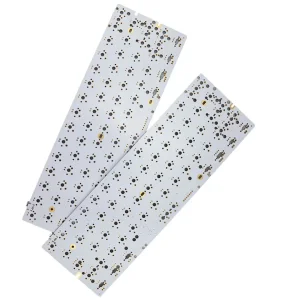
Early challenges in LED Strip Light (or LED Tape Light) PCB Assembly adoption—such as uneven light output, electromagnetic interference (EMI), and poor mechanical flexibility isolation—have been overcome by specialized PCB assembly technologies, particularly rigid-flex PCBs and high-precision surface mount technology (SMT). These innovations effectively enhance the stability of LED drive circuits for delivering uniform light emission, while integrating EMI shielding layers to eliminate interference from external power supplies and electronic devices. Rigid-flex PCBs, in particular, balance flexible form factors with reliable current transmission, supporting the bendability and miniaturization of LED strip lights without compromising light performance. This technological leap has enabled LED Strip Light (or LED Tape Light) PCB Assemblies to outperform traditional LED strip circuits in key areas:
Optimized drive circuit stability eliminates voltage drops across the strip, preventing dimming or uneven illumination at the far ends of the tape layout.
Integrated shielding layers successfully prevent disruptions from external electrical grids, guaranteeing constant and flicker-free performance.
The application of rigid-flex PCB technology ensures structural resilience and conductivity even during frequent bending, matching compact design demands.
Rigid-flex PCBs combine the mechanical reliability of rigid boards with the adaptability of flexible tape circuits. They facilitate reliable current transmission across bent shapes, enabling miniaturization and reducing failure risks under stress.
Specialized assembly designs stabilize the drive circuits, minimizing voltage drops along the strip and ensuring all LED components receive uniform power for consistent brightness.
EMI shielding blocks electromagnetic noise and interference from external power adapters and surrounding electronic devices, ensuring smooth operation and preventing light flickering.
High-precision Surface Mount Technology (SMT) allows for precise component placement and strong solder joints, improving thermal dissipation and overall circuit efficiency.
Yes. Thanks to specialized rigid-flex configurations and flexible insulation materials, these assemblies can be bent, shaped, and miniaturized to fit various architectural contours easily.