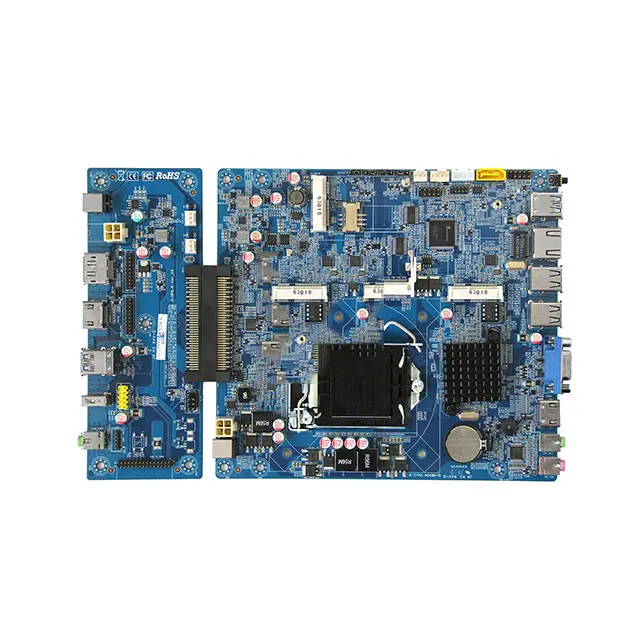
OEM Low-frequency Noise Monitor PCB Assembly Manufacturer, Manufacturers

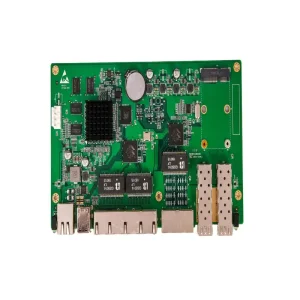
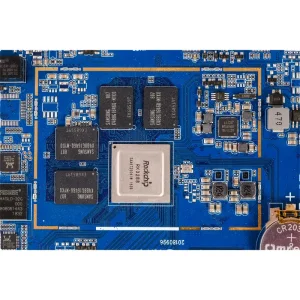
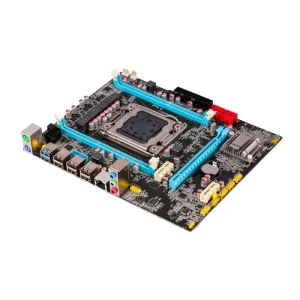
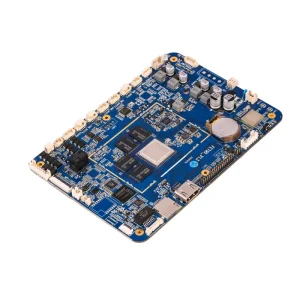
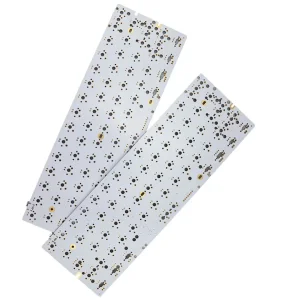
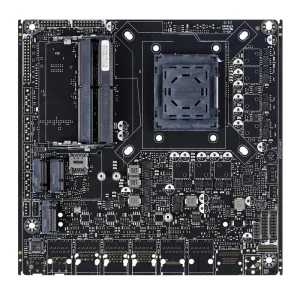
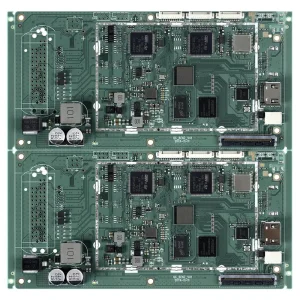
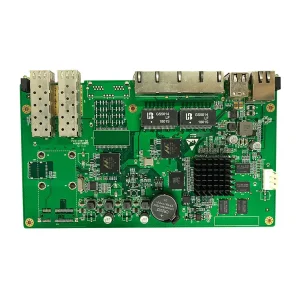
The low-frequency noise monitor PCB is a specialized "acoustic detection core" for tracking low-frequency noise (20-200Hz) that’s difficult to detect with standard equipment. Designed for urban, industrial, and residential environments, it withstands vibration and electromagnetic interference, integrating low-noise microphone circuits, signal amplification, and frequency analysis modules. With our focus on signal integrity in PCB design, it achieves high sensitivity to low-frequency sound waves, supporting continuous monitoring and data logging. Suitable for areas near highways, railways, and industrial facilities, aiding in low-frequency noise pollution control and public health protection.​

Product Description

Low-frequency Noise Monitor PCB Assembly

Early challenges in low-frequency noise monitor adoption—such as weak low-frequency signal capture, electromagnetic interference (EMI), and poor signal isolation in complex ambient environments—have been overcome by specialized PCB assembly technologies, particularly low-noise rigid-flex PCBs and high-precision surface mount technology (SMT). These innovations effectively enhance the sensitivity of analog front-ends for capturing faint low-frequency noise signals (5Hz-200Hz), while integrating multi-layer EMI shielding layers to eliminate interference from external electronic equipment and ambient high-frequency noise. Low-noise rigid-flex PCBs, in particular, balance compact form factors with reliable signal transmission, supporting the miniaturization of portable and fixed low-frequency noise monitoring devices without compromising detection accuracy. This technological leap has enabled low-frequency noise monitor PCB assemblies to outperform traditional monitoring circuits in key areas:

Faint Signal Capture

Significantly enhances the sensitivity of analog front-ends to accurately capture faint low-frequency noise signals within the 5Hz to 200Hz range.

EMI Shielding & Isolation

Integrates multi-layer electromagnetic interference (EMI) shielding to isolate high-frequency environmental noise and external electrical disruption.

Rigid-Flex Miniaturization

Balances compact form factors with reliable multi-channel signal transmission, allowing smaller device designs without losing precision.
Frequently Asked Questions

What were the primary difficulties in early low-frequency noise monitor designs?
Early designs struggled with capturing weak low-frequency signals, managing electromagnetic interference (EMI), and maintaining signal isolation in highly complex environments.
How do SMT and rigid-flex PCB technologies improve signal sensitivity?
These specialized PCB assembly technologies optimize the layout of the analog front-end, allowing it to capture faint low-frequency noise signals within the 5Hz to 200Hz spectrum with high accuracy.
How does the PCB assembly address electromagnetic interference (EMI)?
By integrating multi-layer EMI shielding layers directly into the PCB design, the assembly blocks interference originating from external electronic equipment as well as ambient high-frequency noise.
Can low-frequency noise monitors be miniaturized without losing detection accuracy?
Yes. The use of low-noise rigid-flex PCBs balances a highly compact physical footprint with reliable signal transmission pathways, allowing both portable and fixed monitors to shrink in size without compromising accuracy.
What frequency range is this PCB assembly optimized to detect?
The assembly is specifically optimized to capture and process faint, low-frequency noise signals ranging from 5Hz up to 200Hz.

Related Products